Green ambitions of Polish energy giant Tauron
Pamela Largue
Posted on: 4 September 2024
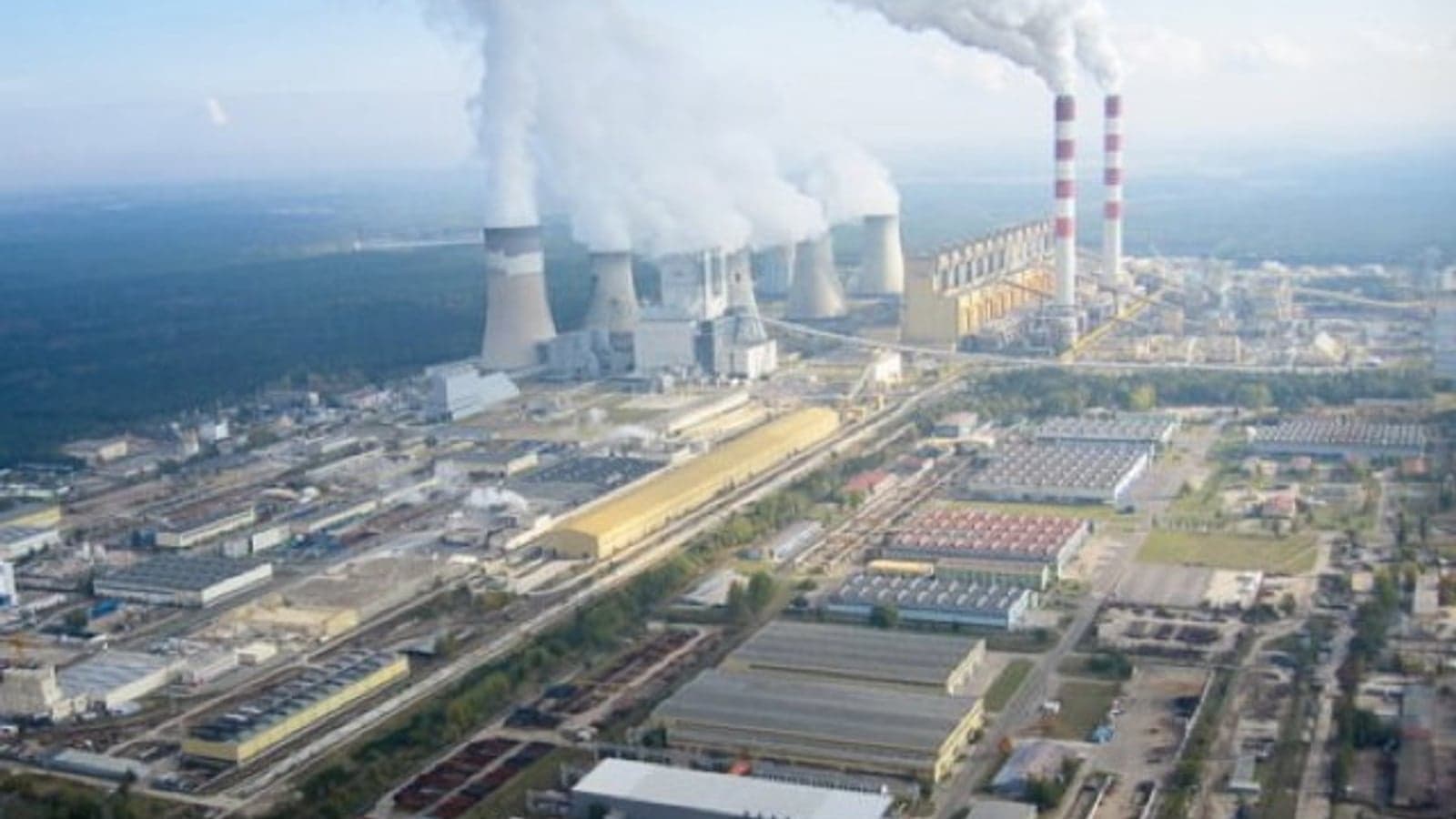
Tauron, the largest power distributor in Poland, is looking at decarbonisation technologies and fuels to replace a coal-rich legacy.
Tauron, the largest power distributor in Poland, is looking at decarbonisation technologies and fuels to replace the coal-rich legacy of the Silesia region.
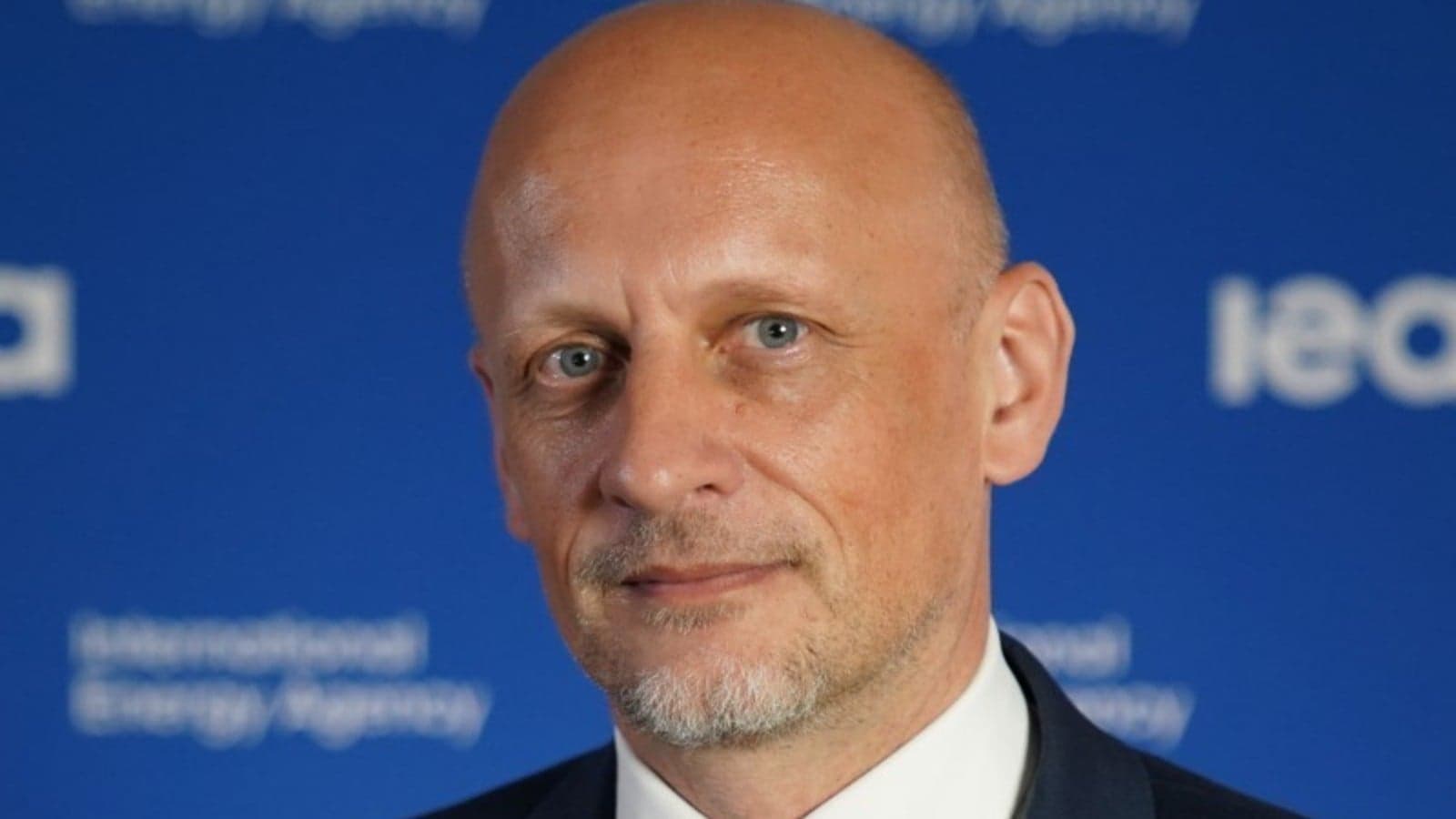
To find out how Tauron's decarbonisation strategy is progressing, Enlit on the Road visited Vice-President of Asset Management & Development, Michał Orłowski, at their offices in Katowice
Tauron has 50TWh of distributed energy, so it's no small task to transition the organisation's assets.
Said Orłowski: "Our aim is to be fully green in terms of electricity production and sales by 2040 with 100% of electricity sold to final customers coming from renewable sources."
Tauron's decarbonisation plan, and how to get there
Tauron is in the process of decarbonisation of its assets and divesting from coal mines and power plants. While phasing out coal, Tauron is investing heavily in renewables.
"We are building a large fleet of wind farms where we aim to achieve around 1.1GW of installed capacity by 2030, followed by our photovoltaics with around 1.4GW target in 2030. And we are already on the journey to achieve that," said Orłowski.
"We still have coal power in our group," he noted, adding that the company is currently negotiating with the Polish government to acquire the remaining fleet within a year or two
More from Enlit on the Road Poland:
How to create jobs after coal in the heart of Poland
Podcast: Poland’s progress towards decarbonisation
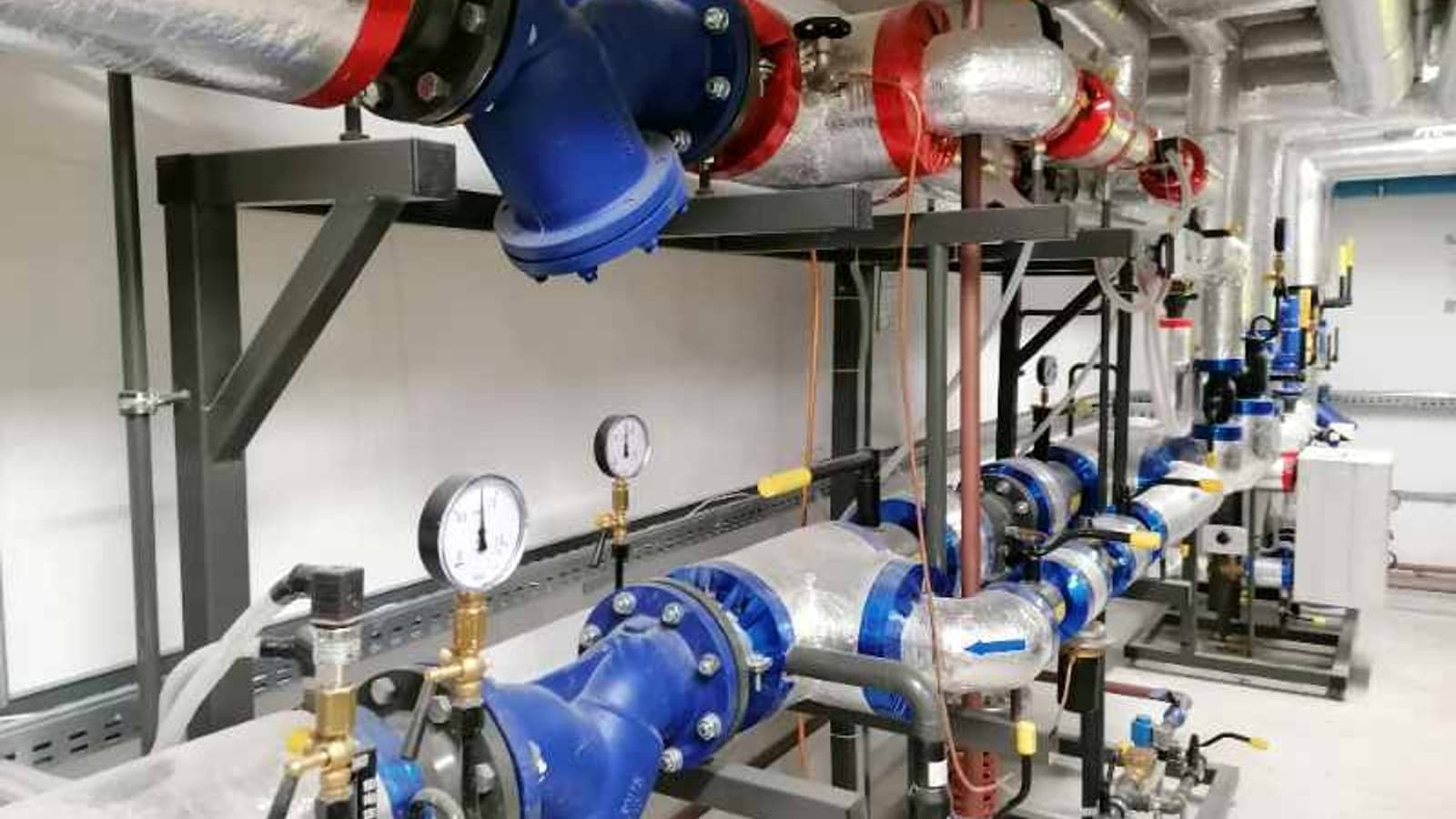
Also, decarbonising district heating is a priority, with a a great deal of work ahead. Orłowski explained these issues are not present in all European countries.
"Since Poland is a major district heating producer...this is an industry that is a bit harder to decarbonise. We are looking for low-carbon solutions based on gas but also on bio-based solutions and power-to-heat with the use of green electricity."
Tauron is also building an energy storage pipeline.
Said Orłowski: "Storage seems to be the next big thing that will help our system to decarbonise," adding that energy storage will solve many grid stabilisation problems.
"Right now we don't have too much storage capacity installed in the whole system, but it seems it will be the next big thing which will come online and revolutionise the way the system operates."
Small modular reactors and hydrogen are also attracting investments, although investment in these technologies has a way to grow as technology and licensing develop.
"We believe that hydrogen might be a great solution in the future, the big question marks are whether the imports will have a parity against local production."
Also, questions remain about whether hydrogen would be economical for district heating purposes, or would be mainly focused on the transport sector.
Lessons from Poland to the world
Orłowski suggested that Poland's energy transition is a learning experience with lessons applicable beyond its borders, especially in countries with a similar starting point and coal legacy.
The first lesson he pointed to is getting regulatory frameworks right. "The regulation is going in a better direction...going in the liberalisation direction, so we might see more wind coming online in the coming years."
"Getting the regulation right is really important for the developers for stability of business..." Orłowski explains as he stresses the impact of subsidies, as well as policy consistency, stability and transparency.
Besides policy, Poland's approach to ensuring a just transition and securing social acceptance has certainly set an example. Orłowski emphasised the importance of supporting historically coal-rich areas, ensuring people and regions can benefit.
"Getting this right and providing options to the people affected by the transition is a really important piece of this job."
Collaboration with EU
Orłowski believes a great deal of progress has been made over the years, with Poland collaborating with the EU Commission to determine subsidies and shut coal assets.
In the last few months, a lot of information has been shared on the National Recovery Plan, which is proving to be a great source of funding for future green investments.
The important thing stressed Orłowski, is that the EU understands Poland has a different starting point due to its coal legacy.
"As a country, we will probably need more understanding and more support to get decarbonisation underway..."
He believes, however, that the funding will help Poland catch up on legacy challenges.
"We really want to decarbonise and as a society, we are really interested in getting to the net zero targets... but we also need to take into account the economics and try to find mechanisms that would enable us to do it at a scale which would be socially acceptable..."