Poland’s workforce transition: Is there a life after coal?
Pamela Largue
Posted on: 15 December 2024
Pamela Largue travelled to Konin to see the impact of the energy transition on Polish workers. She found both struggles and opportunities.
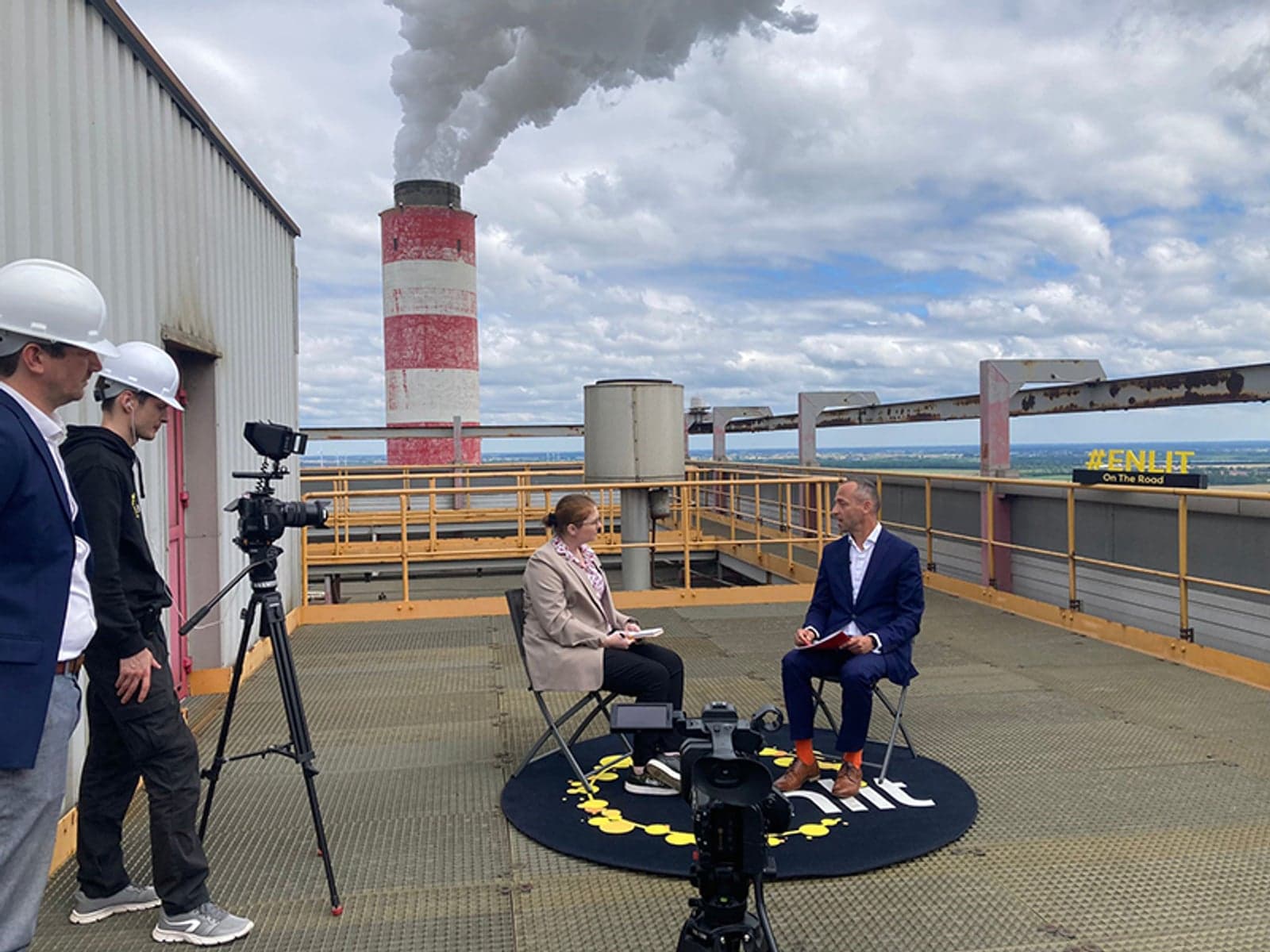
Pamela Largue travelled to Konin to see the impact of the energy transition on Polish workers. She found both struggles and opportunities.
Each step towards decarbonisation has an impact far beyond power plant walls. The effects are farreaching, impacting the lives and livelihoods of individuals, families and generations.
This is especially true in countries like Poland, and more specifically in coal-rich areas like the Konin-Turek basin.
I had the opportunity to visit Poland and talk to the workers who are facing a new reality, where jobs are uncertain and the face of work has been forever changed.
The journey to understanding why a ‘just transition’ is so critical began in Konin, deep in the coal-rich heart of Poland, a region littered with open cast mines and coal plant chimneys.
Konin is based in the Greater Poland Voivodeship and represents one of the largest coal reserves in Poland, with estimated reserves of 466.4 million tonnes.
Until recently, three mines – Jóźwin IIB, Drzewce, and Tomisławice – operated in the area. Only Tomisławice remains functional. And, although the Tomisławice pit was planned to mine coal until 2030, mine owner ZE PAK SA - Zespół Elektrowni Pątnów Adamów Konin SA - announced in April 2022 that this plan did not align with its strategic goals, and that it would consider closing the mine in 2024. Currently, according to official information, the company has set a deadline for the end of coal-fired power generation no later than the end of 2025.
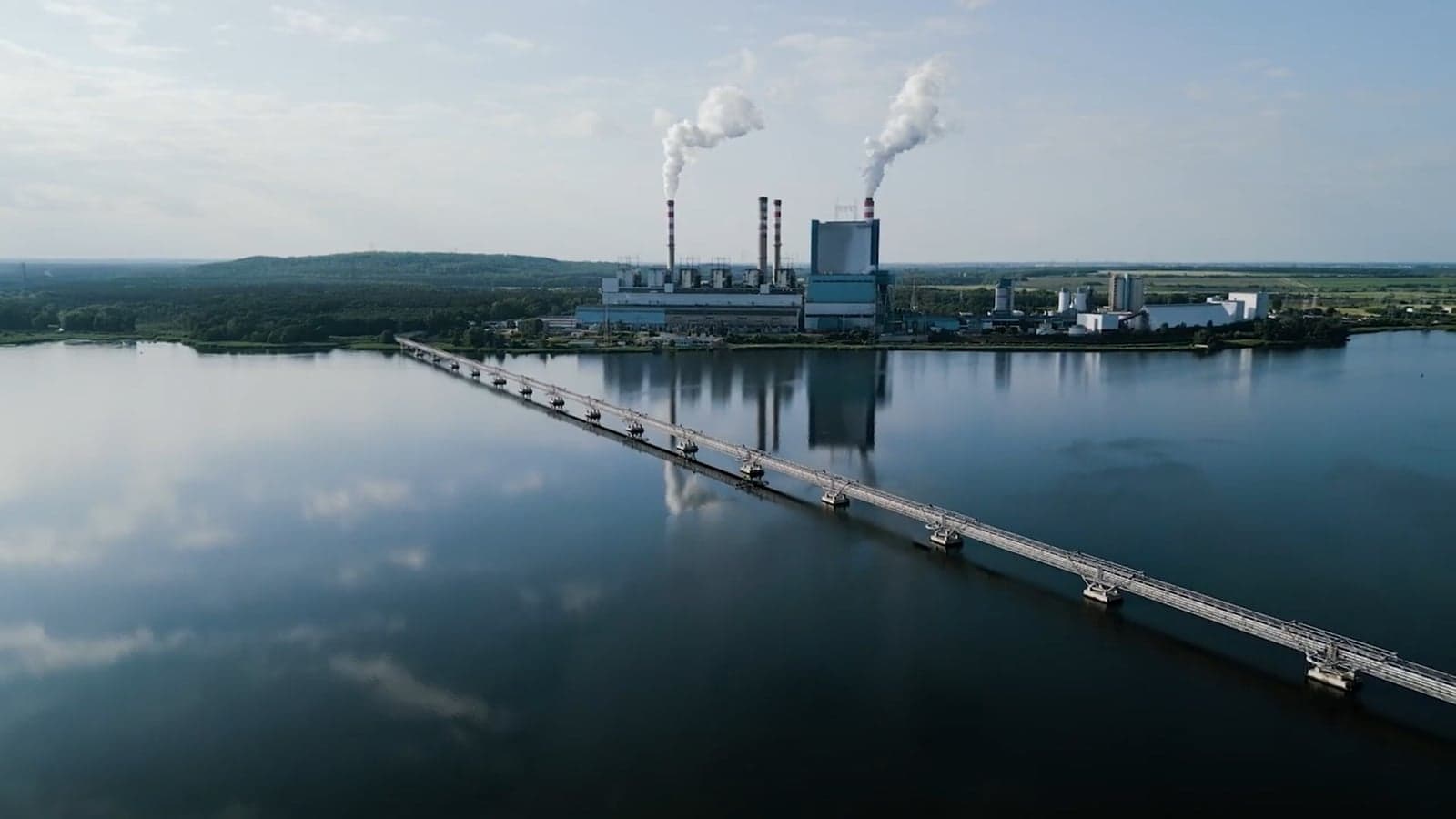
ZE PAK has also closed one of its three power plants. The Konin and Pątnów plants continue to operate, but they have expiry dates, as do the jobs they provide.
Have you read?
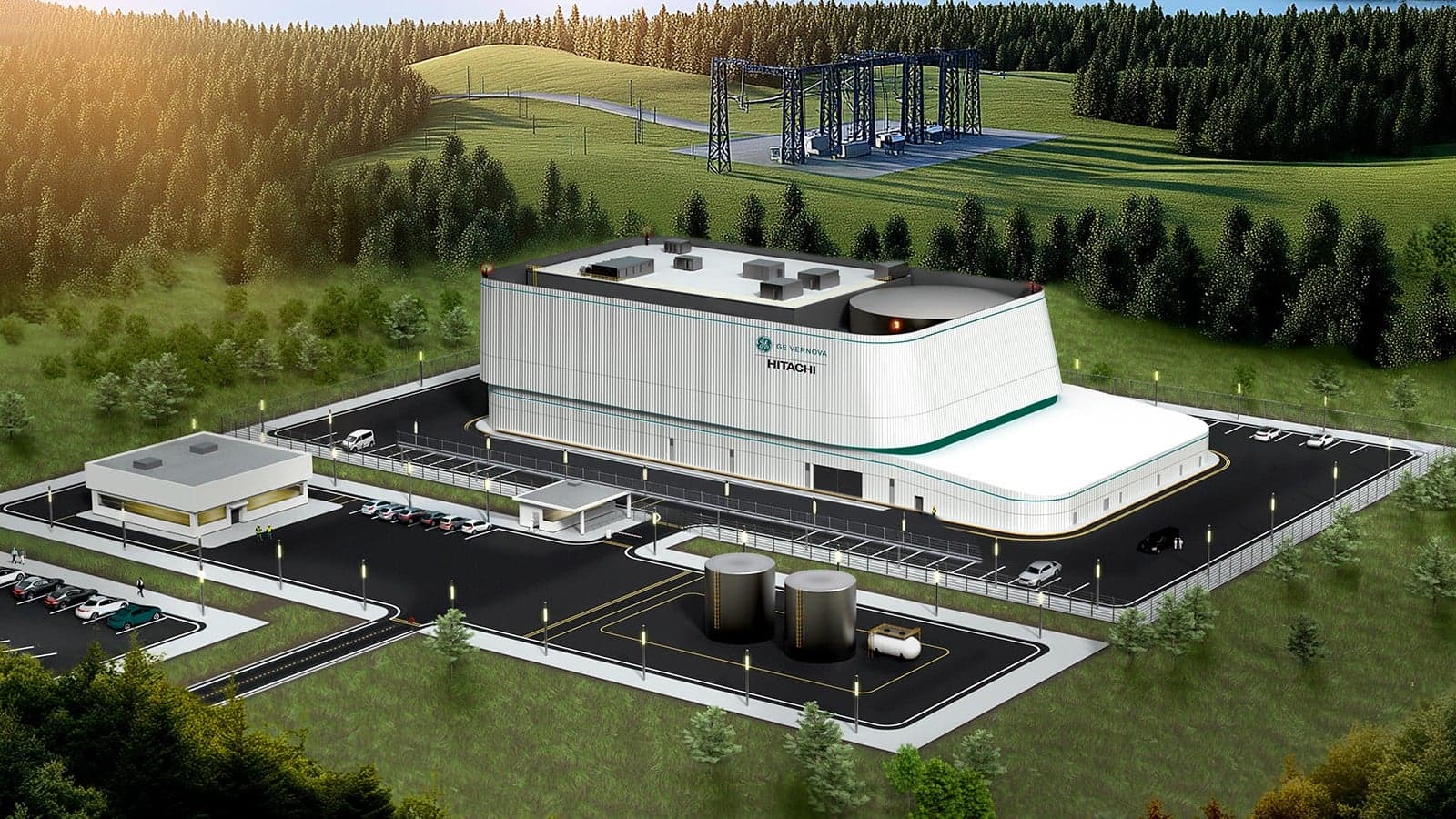
Are SMRs the solution for Poland’s energy transition?
Site visit: How a digital twin can future-proof European hydropower plants
“Young people can’t find work here”
The first stop on my journey around Konin was to the Jóźwin open pit mine, where I spoke with foreman Tomasz Lewandowski. The open pit mine was closed in 2023. It had provided work for generations of coal miners, who had all chipped away at the 15 metre-thick layer of coal deposit embedded in the earth.
"With no coal mines, there will be no Konin… just like that."
Lewandowski explained that coal was discovered just after the first World War, and in the 1920s Polish workers began the exploitation of brown coal. The Germans took over mining operations during World War Two, after which the mine was destroyed.
“Polish workers had to rebuild it,” Lewandowski said with a hint of pride. A few years later they built three power stations and an aluminium smelter.
Nine pits were opened throughout this region’s history. Jóźwin, opened in 1917, was the biggest and best-established.
“During our work here, we mined one billion tonnes of earth and 187 million tonnes of coal – 28% of all coal from Konin.”
Industrial hub
During its heyday, the region was an industrial hub, with many jobs on offer and shops in which to spend the hardearned złoty.
Said Lewandowski: “The best thing that happened to our town was to find coal. “With no coal mines, there will be no Konin, just like that,” he said, as we looked out over the mine at the remaining black deposits strewn about on the sand.
“Now we are a little bit sad. Young people can’t find work here, they [must] go to other towns and cities for a job, and Konin is falling down.”
Lewandowski’s father and grandfather worked in this mine. And while the older generations will retire, the question remains: what will happen to those who are young enough to work?
“Employers are going to help us find jobs, and especially use EU funds. They are trying to help us, but it’s not so easy to find work,” added Lewandowski.
The mine will likely be turned into a power station, he said, with the lake supplying water for cooling.
As we drove away from the mine, we stopped off at Dolores, an old bucketwheel excavator weighing in at an impressive 2,700 tonnes.
“There were about 10,000 people working here in the best times, eight Doloreses working at peak time. Dolores will remain as a reminder of times past.”
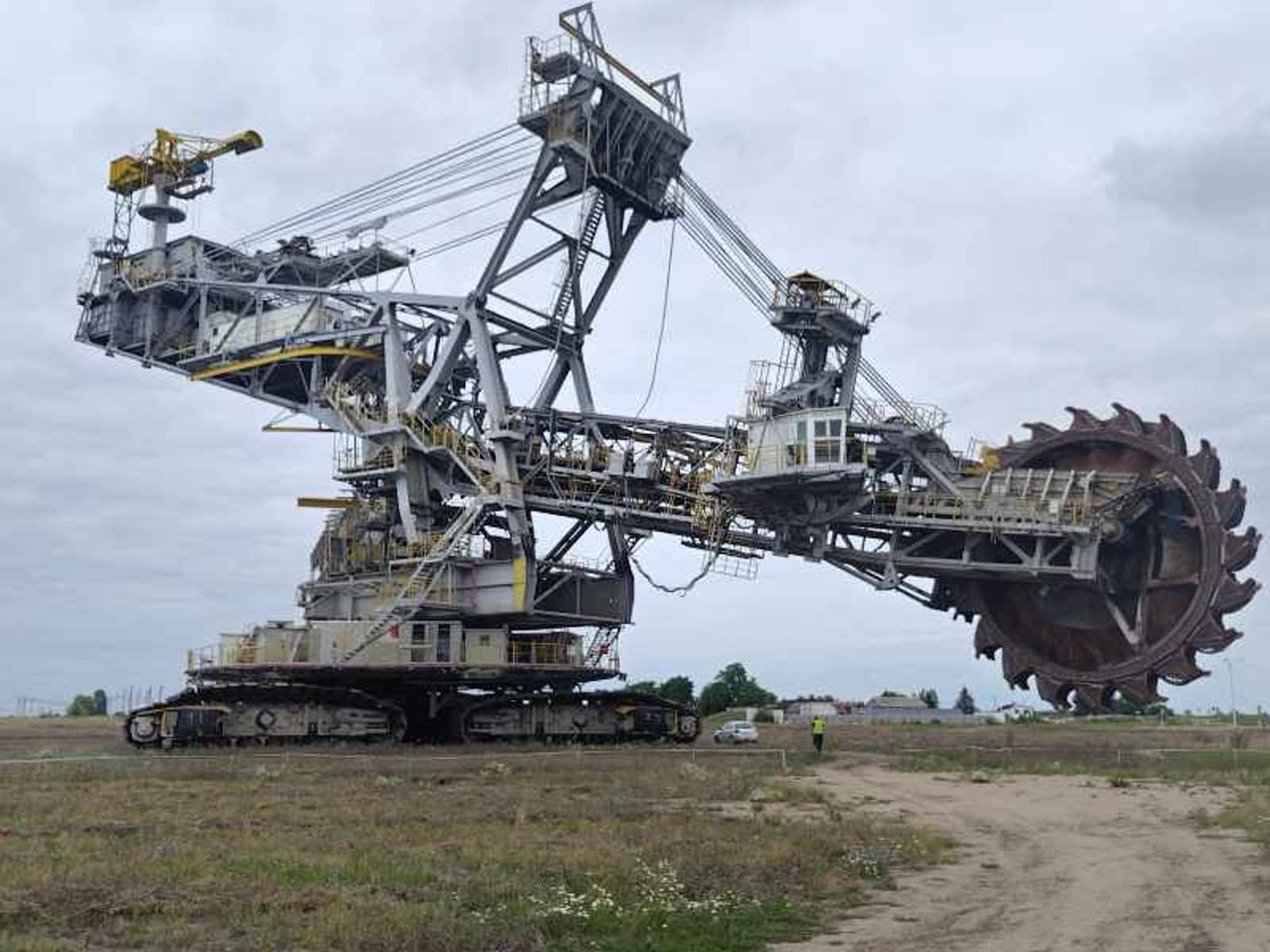
My conversation with Lewandowski, overlooking the magnificent Dolores, impressed upon me the importance of supporting workers in their journeys to greener jobs, ensuring that they can start a new legacy to hand down to future generations.
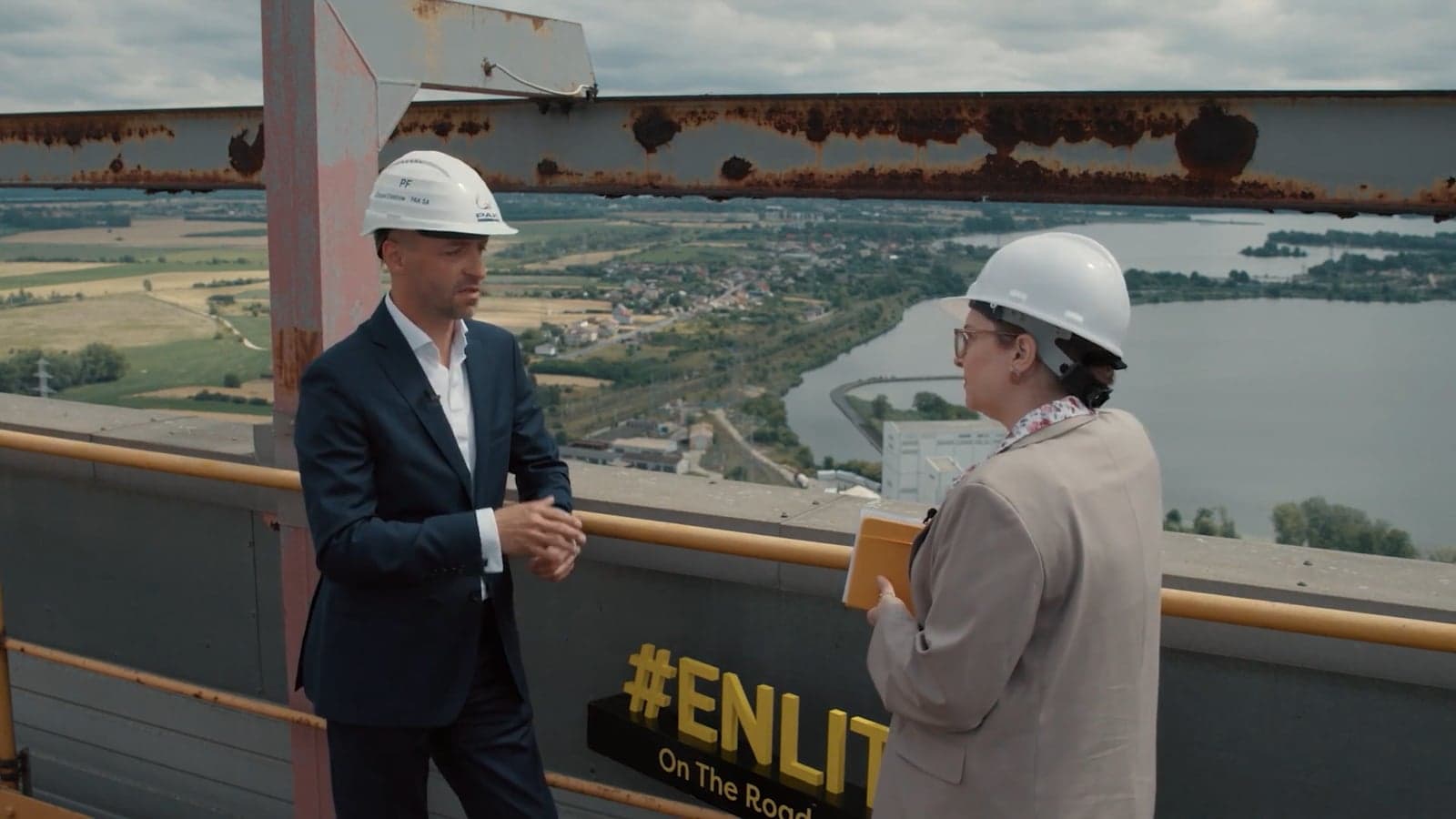
With this perspective, and to find out how it can be done, I spoke to Daniel Baliński, Just Transition Coordinator at ZE PAK.
It was fitting that our conversation took place on top of the Pątnów power plant, 110 metres above ground, overlooking the plant and its puffing chimneys.
The plant is beautiful in its own right, and as we spoke, I remained mindful of the clock ticking towards its closure.
“Here in ZE PAK, over six years we have lost around two and a half thousand jobs,” said Baliński.
He did not mince words in discussing the impact the energy transition has had on the workers at ZE PAK, but also across the country and throughout Europe.
“The transition is easy when you think about the technology. However, once you change the source of electricity from lignite you will get rid of a lot of jobs, and people get really frustrated.
“We started to think about people and how to prepare them for the future. These present plans are not going to work forever… We cannot just hire them into new power plants, like within wind farms or solar power plants.”
Baliński explained that, in 2020, ZE PAK’s Board announced a new decarbonisation strategy, which set in motion a transformation of the company’s assets.
Learn more about Poland's energy transition
Adamów Power Plant had already closed in January 2018, followed by the closure of the Adamów Lignite Mine in February 2021. At the same time the company began significant downsizing, and needed to mitigate its effects.
The ‘Jobs After Coal’ initiative was born out of a collaboration between ZE PAK and the 14 active labour unions operating in the space. The initiative can be summarised as a programme of multifaceted activities designed to support transition-affected people in Eastern Greater Poland. It includes financial support and mechanisms that meet the real needs of workers in the sector.
“The employer and trade unions prepared the initiative – the concept that, after three years, we got cofinancing from the Just Transition Fund and are about to start to help people look for new jobs.”
Baliński described the arduous task of building trust with the unions: “It was really tough and took a lot of time.”
The regulatory guidelines had to be put into simple words so all could understand them. Next, a project concept had to be written out. This process took about two years. After that, Baliński and the team needed to convince the public authorities that the project was sufficiently tailored to meet the needs of the workers.
“Thanks to the common effort, that worked out. The Polish government has reached a deal with trade unions to gradually close the country’s coal mines by 2049.”
"The energy transition can harm people. My mission is to help them here in Konin."
Currently, said Baliński, the programme is focused on providing new jobs for 2,200 people, as well as reskilling them and providing advice on approaching new companies for employment.
“The programme is worth €52 million. There are a lot of incentives for new employers. If they hire a former worker in the power plant or a former miner, they will get a lot of financial incentives.”
I was struck by the compassion in Baliński’s voice as he spoke of this programme and the challenges the initiative faced to ensure it materialised. “I think the energy transition can harm people. And my mission is to help them, at least here in Konin where I’m employed. Of course I have additional tasks, but this one is the most important to me.
Also of interest:
Emma Pinchbeck: ‘We need an energy workforce that looks like the population we serve’
How people are powering progress in the energy transition
“I’ve tried to do my best, and to actually help them find themselves in the complicated world created by people working in the administration, from the European level to national to even regional, to support them to address the challenges they face.”
One of the biggest successes, said Baliński, is the new regulation, adopted last autumn, which allows for early retirement for people hired in the lignite sector and in power plants.
“Thanks to great cooperation with, for instance, the European Commission, it was quickly adopted as state aid that Poland can pay to employees affected by the restructuring of the industry. Thanks to that, people will really feel more safe.”
“Most of [the] people that work in the group are 50 years old. Most of them, you can say, sacrificed their whole life working at the power plant. You cannot just get rid of them. It’s not their fault that they are losing their jobs because of the new European strategy of making the climate more green.
“Some of the trade unions and the people working for trade unions, I treat as a family. It’s not about the job. It’s about the mission.”
The energy transition in action
It was at the Konin Power Plant, the final stop on my tour, that I came face to face with what can only be described as the energy transition in action. Across the plant, there is evidence of a new energy era where jobs after coal are becoming a reality.
I passed a solar installation used to train workers as photovoltaic fitters, a soon-tobeoperational electrolyser, and a green hydrogen filling station for hydrogen-fuelled trucks carrying waste away from the plant.
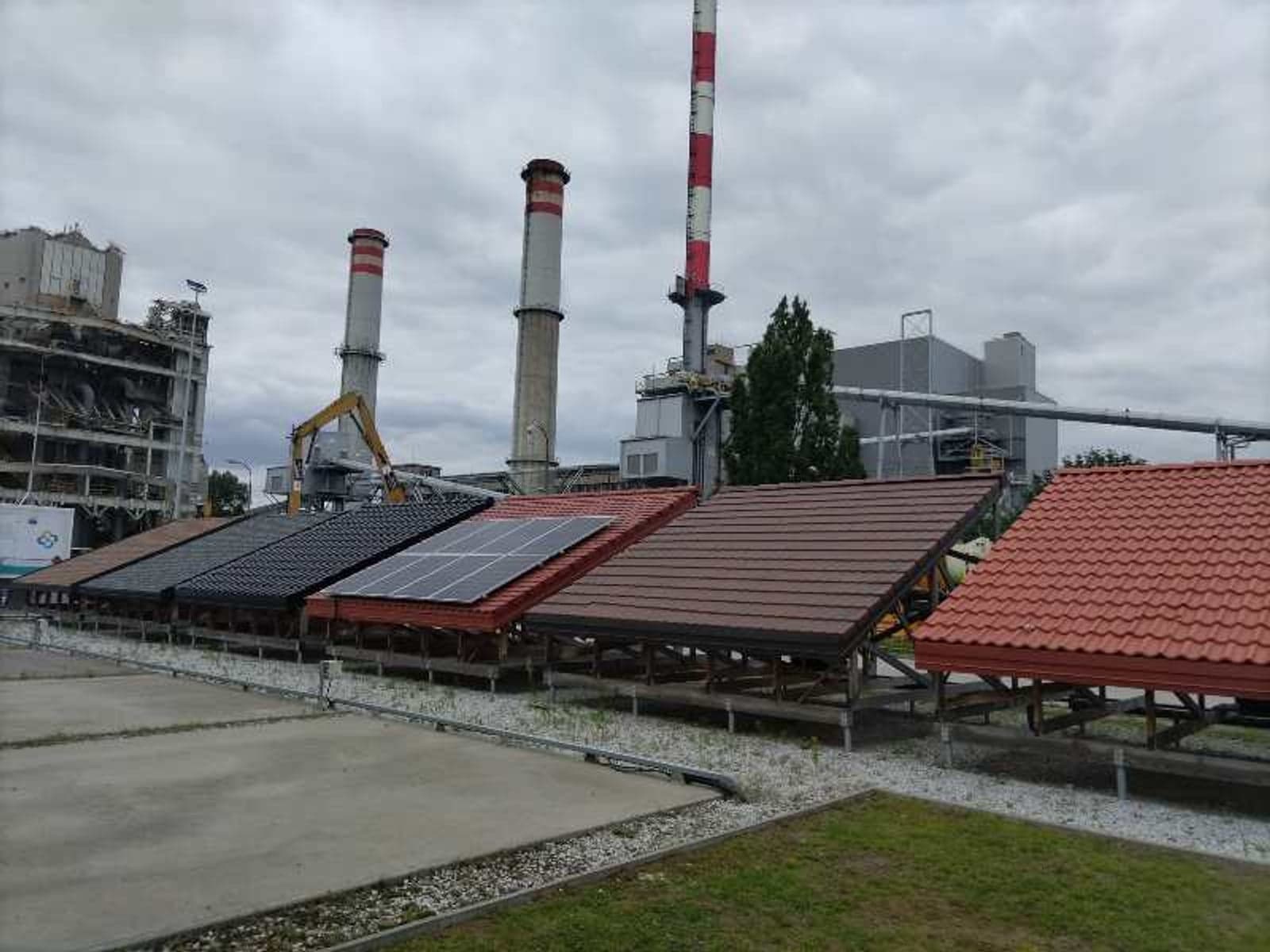
I also took a tour of the new 50MW biomass unit at the plant, a radical new addition to one of the oldest brown coalfired power plants in Poland.
The specially-adapted biomass unit was commissioned in July 2012. Konin Power Plant now operates on two systems: one operated by three boilers and three turbo sets, and another unit with a biomass boiler and a 55MW turbo set.
It was remarkable to see and experience how technology is being upgraded to be increasingly relevant and green, and how workers’ skillsets are following suit.
My short journey around Konin was an eye opener, showing why it is critically important to remain mindful of the human impact of the energy transition. Ensuring a just transition is non-negotiable. I applaud those who are working at creating space for legacy workers to transition with the energy system, and I applaud the efforts of the workers to stay relevant in this new era.
I am also impressed by Poland. Its people are remaining true to their roots, remembering and celebrating the successes of generations past. It’s these past successes that are providing the springboard into a new energy landscape – and people are ready to make that leap.
Related tags
Latest content
+3
How to create jobs after coal in the heart of Poland
Daniel Baliński, Just Transition Coordinator at Polish energy company ZE PAK SE, to find out about the impact of the energy transition on the company's workforce and how their Jobs After Coal initiative has helped to make a positive difference.
- Pamela Largue
- 06/08/2024