How Ansaldo is preparing gas turbines for flexibility fuelled by hydrogen
Enlit Editorial Team
Posted on: 1 June 2022
In this second part of an exclusive interview Daniela Gentile emphasises the importance of flexibility within the energy transition.
In this second part of an exclusive interview, Daniela Gentile, senior vice-president of innovation and quality at Ansaldo Green Tech, explains the company's blueprint to utilise hydrogen in its gas turbine operations.
Gentile highlighted the strategy while discussing Ansaldo’s Brindisi facility, located in the south of Italy, with Janet Wood at Enlit Europe in Milan.
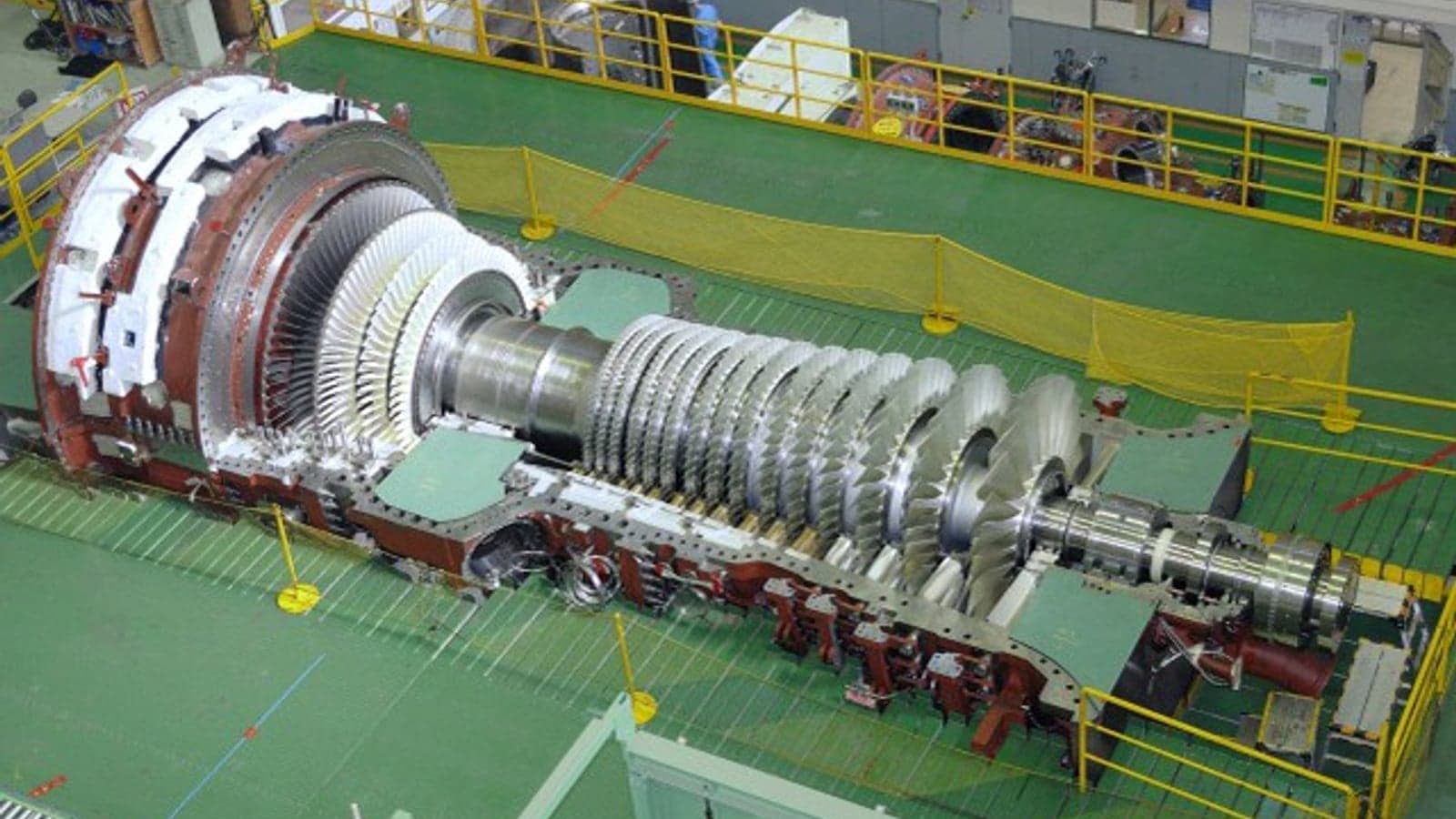
“Since 2008 we have had an F-class turbine – the AE94.3A – which has been using a hydrogen mix. It uses a blend, 25% is natural gas as a fuel. With minor adaptation on burners, auxiliaries and balance of plan there is the clear demonstration that gas turbines can run with a blend.
Catch up with part one of this interview:
Ansaldo boss: ‘There’s a clear imbalance over who pays for the energy transition’
“The facility also anticipates the fluctuation that will come with hydrogen fuel. Our fleet and gas turbines have the capability to manage the fuel-gas composition, depending on the chemical aspect, which includes hydrogen.
“The turbines have been conceived since the design phase to cope with dual fuel. They can run with blended gas while keeping the possibility to run entirely on natural gas.”
Have you read:
Why the grid needs long-duration energy storage
The importance of power flexibility to reach net zero
Flexibility
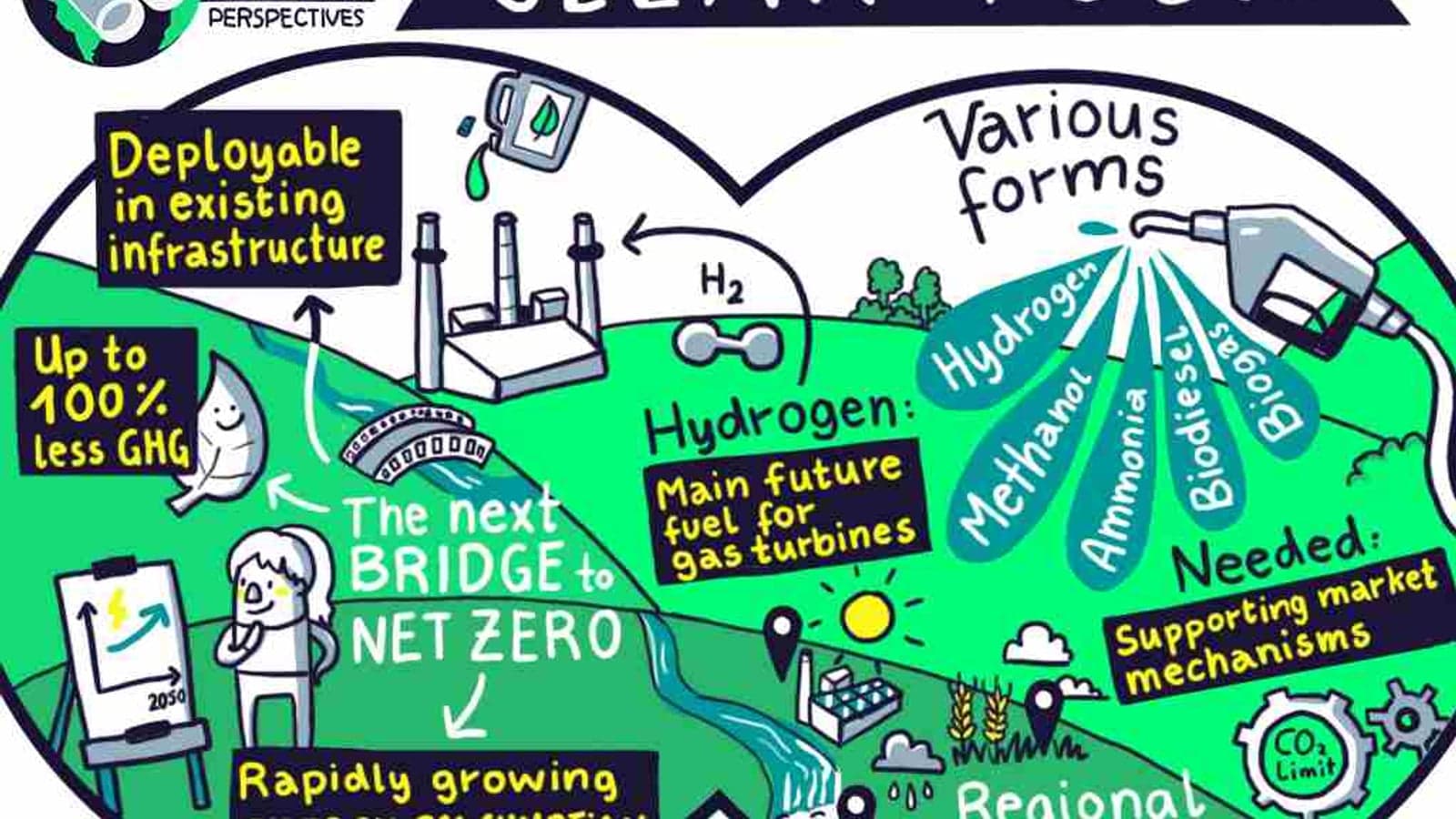
This flexibility, the capability of turbines to adapt to different fuel sources, was highlighted by Gentile as an important element to consider within the energy sector. She went on to claim it as a key word that necessitates attention.
“We are working to provide the full range of products within the energy transition. This will include a system to produce hydrogen and a system to store energy - long and medium to short-term storage.
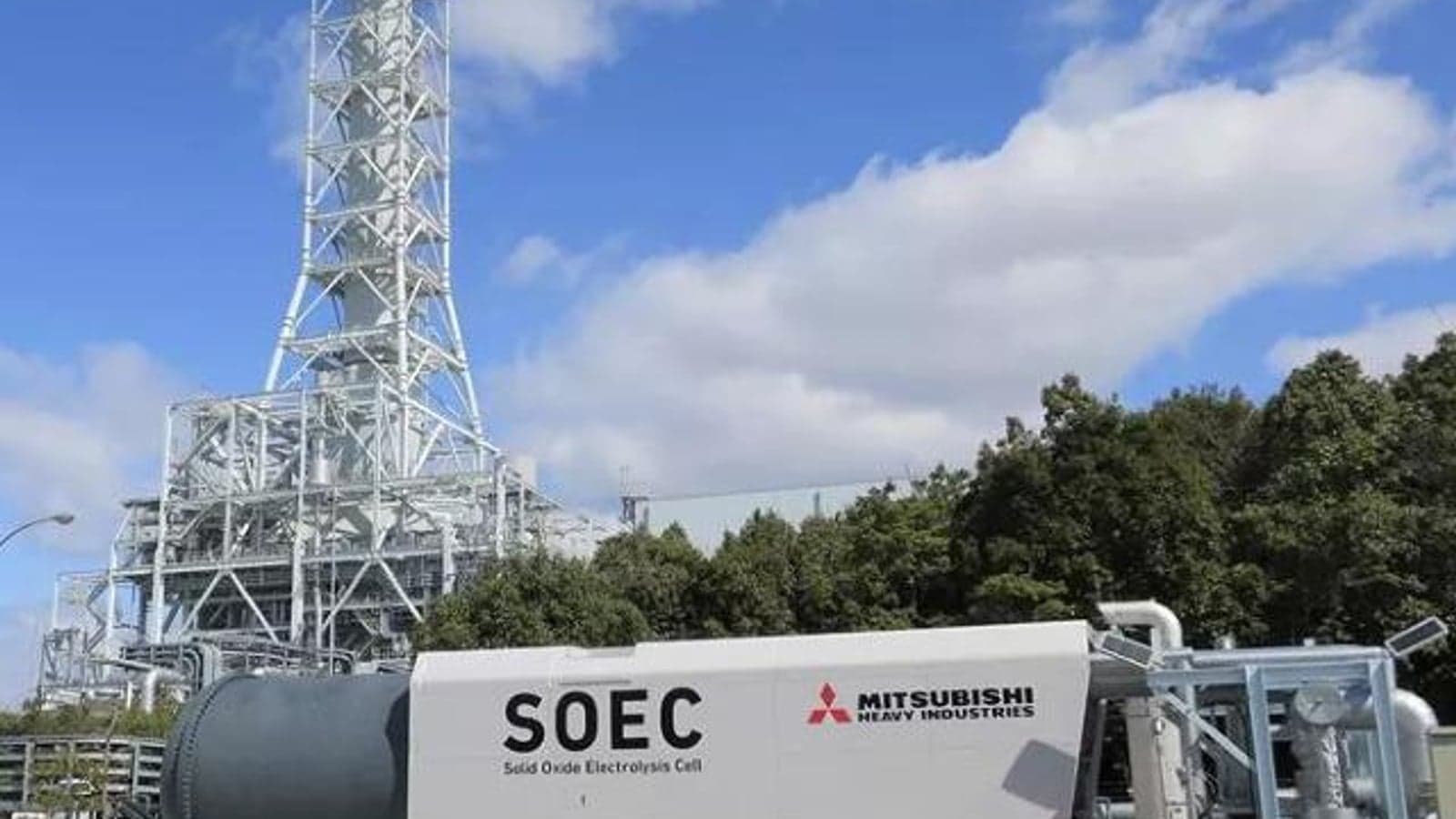
"Our idea is to set up an electrolyser based on the same kind of business model we have for gas turbines. This is to enable the system to produce hydrogen in an optimal way.
“The key for economics – the hydrogen production cost – will be defining it according to the cost of carbon in the moment, the level of CO2 emissions, the cost of renewable energy and so the capability to handle this very complex system of the energy business of the future. “
Distributed energy
While Gentile elaborated upon the importance of big plants to supply hydrogen, she also pointed out the role of smaller units with the energy framework due to their contributions via distributed energy.
“Another important and key element of the energy framework will be distributed energy. Small grids will play a very important role because they will be capable of supporting the management of local grid instability.
"We think these small units will open up new possibilities to produce hydrogen, to produce energy locally and manage local microgrids.”
With mention of distributed energy comes the question of energy storage, a topic of interest for Gentile, who highlighted the storage requirements for the road ahead.
“We will need 20-times more storage compared to what we have. We are committed to developing those systems, which, in my opinion, are more compelling than hydrogen because it is needed now.”
Related content:
Basque gigafactory can unlock the holy grail of energy storage says research boss
Eurogas director on decarbonising industry, hydrogen and ‘the essence of sector integration’
It was with this sense of urgency associated with storage that Gentile explained two technologies being worked upon by Ansaldo, both of which she stated are flexible technologies.
“The first is energy transition combined cycle, an integration of the CO2 battery – a storage system and a thermodynamic system cycle, which stores and releases energy, compressing and expanding CO2 integrated within a gas turbine plant.
“The second is the redox flow batteries,” which, according to Ansaldo, are designed to convert and store electricity energy into chemical energy and release it in a controlled fashion.
Make sure to watch the rest of Gentile’s Connect Interview to find out about Ansaldo’s offerings and the key role of flexibility within the energy transition.