Ørsted ditches Hornsea 4 due to project costs
Pamela Largue
Posted on: 7 May 2025
Ørsted has released a statement confirming the decision to discontinue the Hornsea 4 project in the UK in its current form.
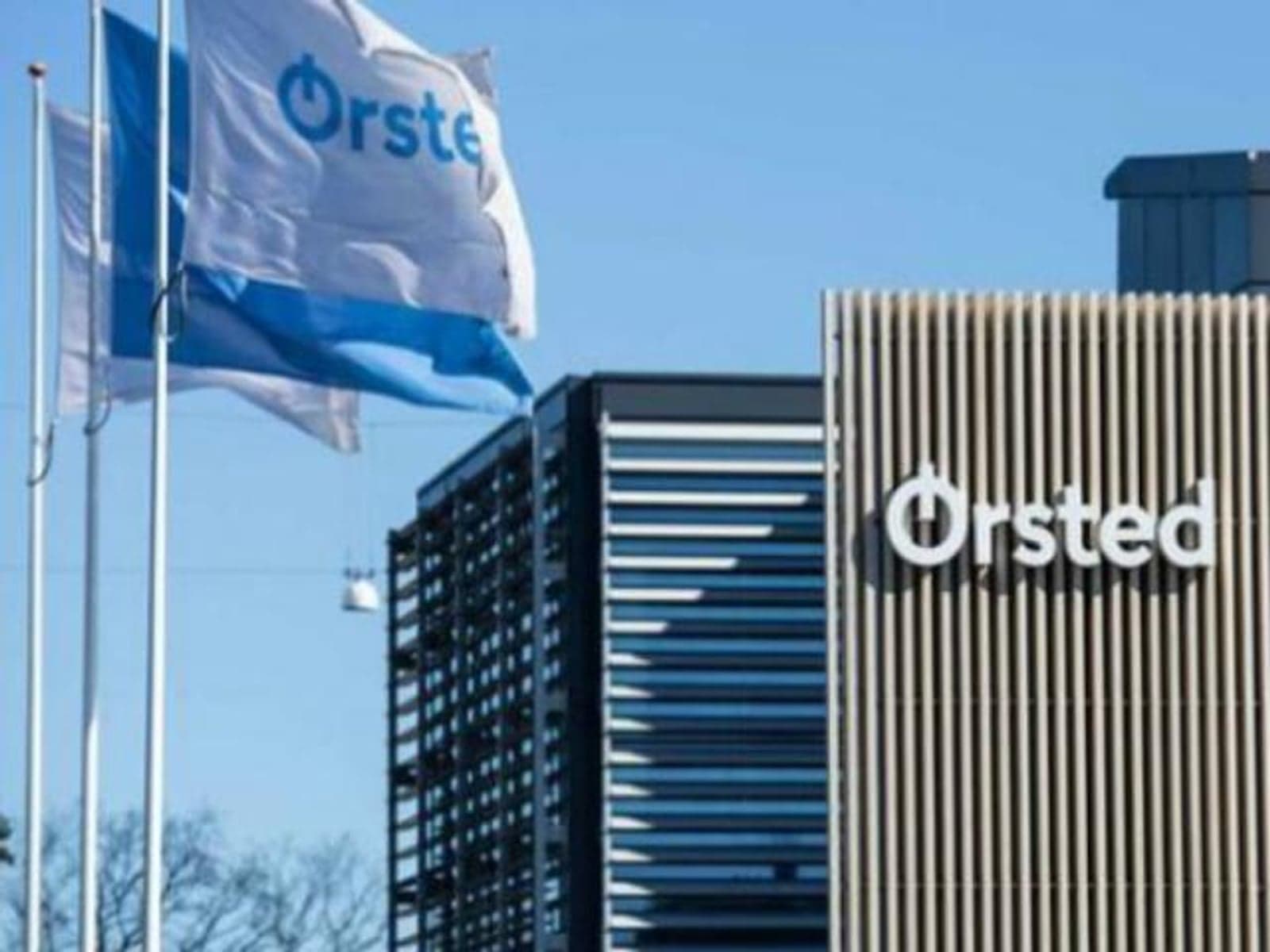
Danish energy giant Ørsted has released a statement confirming the decision to discontinue the Hornsea 4 project in the UK in its current form.
The company has stopped spending and suspended supply chain contracts, stating that the project no longer makes economic sense.
In its statement, Ørsted cites increased execution risk coupled increased supply chain costs and higher interest rates.
Have you read?
UK goverment to invest £300m in offshore wind
Ørsted starts offshore construction of 920MW wind farms in Taiwan
Rasmus Errboe, Group president and CEO of Ørsted, commented on the announcement: “We’ve been maturing the project over the past nine months and have been working relentlessly with stakeholders and suppliers to manage the different project risks for a project of this scale. Throughout the development phase we’ve been very diligent in our approach to capital commitment to our suppliers, and our committed capital is well below our threshold. The adverse macroeconomic developments, continued supply chain challenges, and increased execution, market and operational risks have eroded the value creation.”
Errboe added that Ørsted will keep the project rights and look to develop it at a later date when they can guarantee greater value for shareholders.
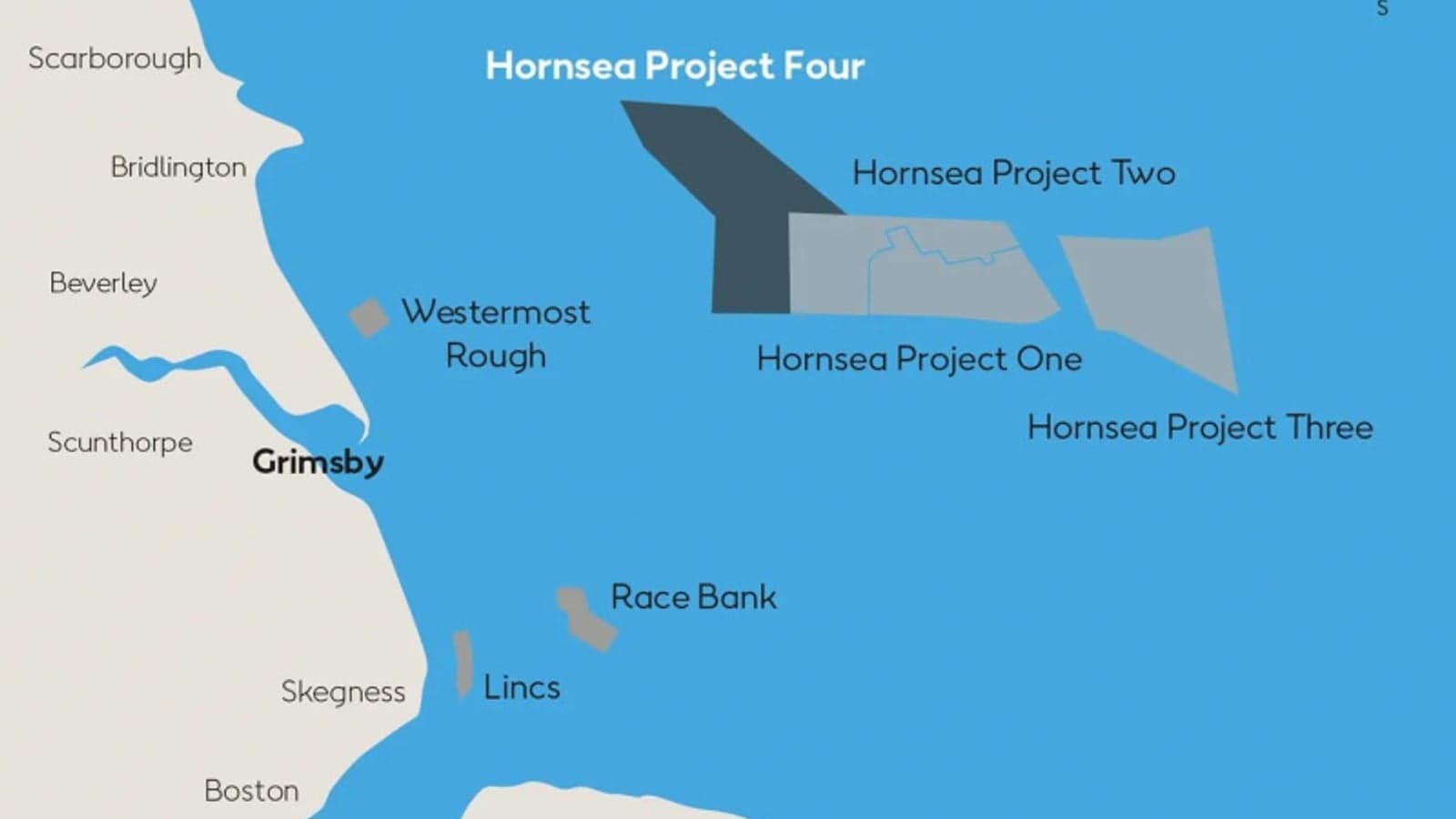
Hornsea 4 was granted consent by the Secretary of State for the Department of Energy Security and Net Zero in July 2023, and has more recently received its contract for difference (CfD) award from the UK Government in September 2024. The 2.4GW project was to be developed in the North Sea, approximately 69km off the Yorkshire Coast and would have included up to 180 wind turbines.
On Orsted’s decision to discontinue Hornsea 4, Energy UK CEO Dhara Vyas said: “The news that Orsted will not go ahead with Hornsea 4 in its current form reflects the significant challenges the offshore wind sector is facing. Our thoughts are with the teams that have worked hard to develop this project over many years.
“The loss of such a big project will raise the stakes yet further for the forthcoming Contracts for Difference auction round, AR7. Whilst Orsted has been clear this is not a result of Government policy, with offshore wind playing such a critical role in our future energy ambitions it’s vital that the Government doubles down to ensure AR7 is a success.”
RenewableUK’s deputy chief executive Jane Cooper also commented on the announcement: ”The fact that supply chain constraints have been cited as one of the reasons for this decision highlights the importance of investing to support the UK companies across the wind value chain as a central part of the UK’s industrial strategy. We urge the Government to remove uncertainty for investors in this year’s auction for new clean power projects by ensuring auction parameters reflect the cost increases we’re seeing in the supply chain and inflationary pressures. Additionally, Government should rule out the introduction of zonal pricing which would drive the cost of investment up even further”.
WindEurope issued a statement that the news indicates how difficult it is to develop offshore wind projects. "Costs can go up between bidding in an auction and procuring equipment, and auctions have to be fully indexed to reflect that. More broadly, the investors who make projects happen need a return. The value in a project is more important to them than when a project is built. Governments want projects now and lots of them – sure. The industry want that too. But the first priority for industry will always be value. Governments need to make sure that value is always achievable. Then they’ll get the volumes they want.
"Only last month the wind industry proposed a “new deal” for offshore wind. Where Governments commit to value, visibility and volumes – and the industry delivers on those volumes, and the scale-up reduces costs and electricity bills."
Costs impacting energy infrastructure development
Ørsted is not alone in feeling the impact of tough economic conditions.
Lately, several announcements have shone the light on the challanging economic environment and the impacts its having on projects.
In February this year, Elia Transmission Belgium announced it is temporarily postponing the signing of the final contracts for Princess Elisabeth Energy Island due to the price increase for high-voltage direct current (HVDC) infrastructure.
The company stated that the postponement would provide time to weigh the changing market conditions and its associated impact on the project.
In December 2024, the Danish Energy Agency stated that not a single bid was received for any of the three offshore wind farms in the North Sea put out to tender.
Denmark’s Minister for Climate, Energy and Utilities, Lars Aagaard, commented on the situation, flagging economic conditions as one of the main causes: “This is a very disappointing result – and not at all what was expected when we entered into the offshore wind agreement. The circumstances for offshore wind in Europe have changed significantly in a relatively short time, including large price and interest rate increases."
Original article updated with sector commentary on 8 May 2025