Partner content
A flexible and balanced approach to the energy transition
Jonathan Spencer Jones
Posted on: 13 October 2025
At the core of Uniper’s energy transition strategy is a robust portfolio of assets, sites, and technical competencies, enabling successful delivery for customers in Europe and internationally.

Drawing on its many years of experience in power generation and trading, the Düsseldorf, Germany, headquartered company has built an expanding portfolio of renewable, gas and other projects as it has adapted to the changing and more stringent clean energy demands of the energy transition.
In addition to having a strong market share in its native Germany, this expertise is being extended to service the broader energy sector in other core markets, including the Netherlands, Sweden and the UK.
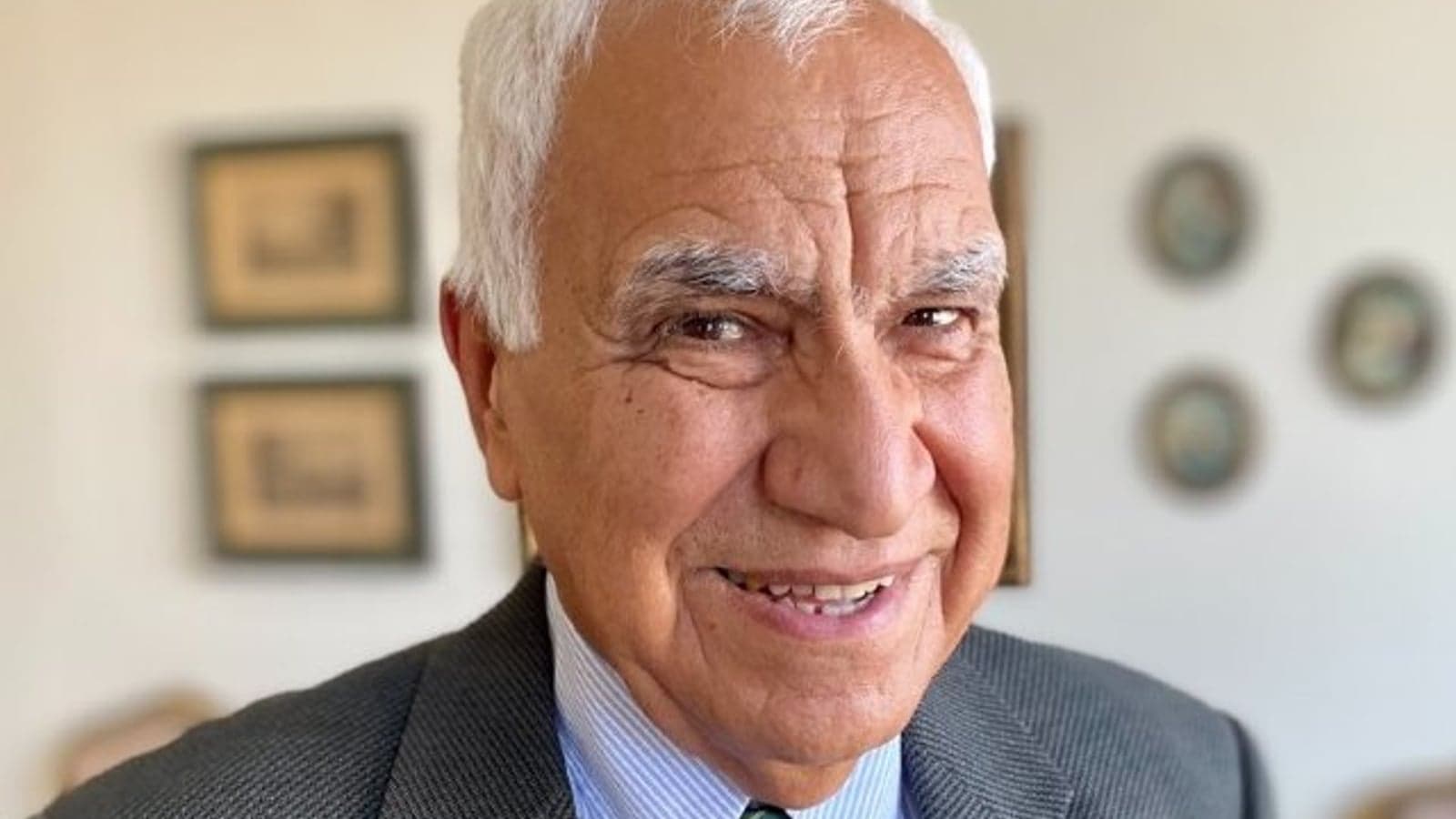
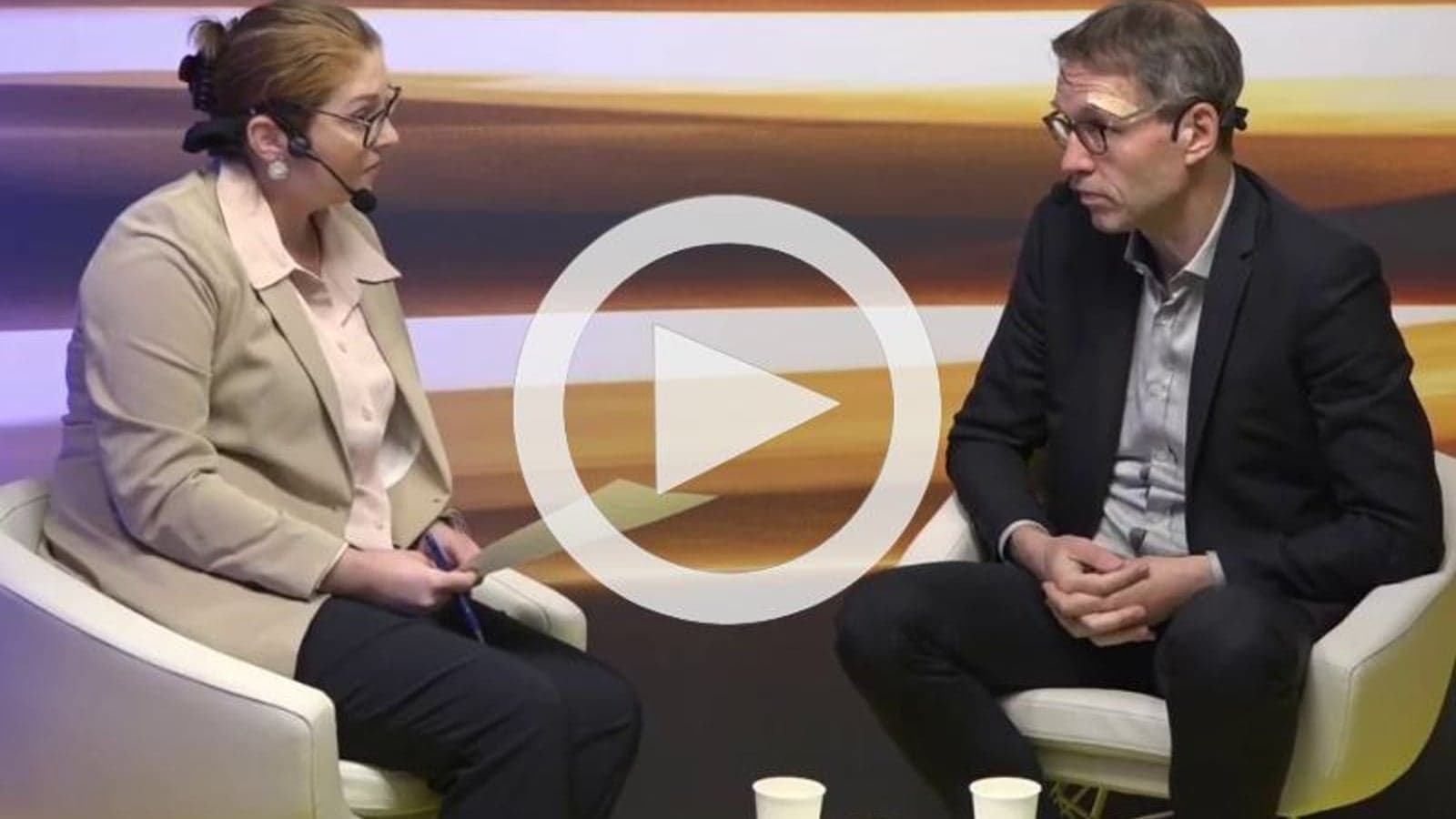
Following an exceptional business year in 2024, this year [2025] is set to be not far behind. Investments are planned to €5 billion by 2030 – the key target year on the path to a 2050 net zero – and €8 billion by the early 2030s. To find out more, I spoke to Nils Beenen, Vice President and Head of Sales – Industry and Power Stations at Uniper.
How is Uniper, as a brand, positioned currently in the market, and what is its strategic focus?
We are one of Europe’s largest integrated power generators and play a core role in the gas business. We stand for reliable energy that arrives when and where it’s needed, especially in our core markets, and for example, in Germany, we supply around 1,000 municipalities and industry companies with our energy and services.
Our strategic focus is based on two main pillars – one to ensure security of supply and the second to accelerate the energy transition. In the power area, we are transforming our own power plants and facilities and will be investing in flexible and predictable power generation. We are pushing ahead with a further expansion of solar, wind, and energy as a key to unlock more sustainability in the future. On the gas side, we focus strongly on long-term security of supply for our customers and for the market.
Ultimately, the key to success is strengthening the competitiveness of the European energy-heavy industry.
What is driving Uniper’s market approach and achievements?
We have proven, especially in recent years, that we are always there for our customers, even under pressure, and that’s thanks to our experienced and dedicated employees and our decade-long market know-how.
We have a balanced portfolio, which gives us access to a variety of sourcing options. For example, on the gas side, it’s liquefied natural gas (LNG) or pipeline gas, and on the power side, it’s clean and becoming increasingly more flexible.
Ultimately, there is an expectation on Europe’s energy system players, like Uniper, to ensure an uninterrupted but flexible supply of increasing renewable and low-carbon energy. This is a big challenge and a responsibility that we are aware of.
What is Uniper’s approach to flexibility?
We approach this from two angles: from the Customer and from the Market. It is very clear that flexibility will be key in the market, which we have incorporated in our operational business and in our strategic orientation.
We operate modern gas and hydroelectric power plants that can respond quickly to fluctuations in the power grid and thereby facilitate the integration of wind and solar energy. To get more wind, solar and other renewables in the market, one needs flexibility assets behind these power assets. Therefore, the new, flexible power plants are designed to be converted to low-carbon fuels, which we are investing in.
We also see our customers placing a large focus on flexibility, showing interest in batteries and power-to-heat projects. Uniper is the market channel for these flexibilities to convert them into money. We see ourselves as a constructor building the energy supply framework as customers become increasingly interested in integrating market options into their supply contracts.
What is the role of storage in flexibility?
Energy storage solutions are becoming increasingly important because of the additional revenue opportunities they offer and the integration of renewable power. They also protect companies from price volatility, and when there are price spreads, it’s where storage or flexibility makes sense as production from an industry perspective can then be optimised.
The key for batteries is grid access, which is limited; therefore, it could make sense to operate the storage on-site behind the meter for load shifting and grid cost optimisation. To leverage the full potential also in the intraday, day ahead and ancillary services, the battery needs grid access (front of the meter)
Looking to the future, the grid costs and how they develop when large gas-fired power plants and later hydrogen-ready power plants come onto the market, will become an important factor regarding which investments to make in battery assets.
What is the approach to financing and project delivery?
We focus on disciplinary investment, so there must be a strategic fit and flawless delivery. That means the right project with the right returns but also a stable framework from a political perspective.
While we need big investments on the upstream side, we also need downstream customers.
The goal is to boost security of supply, while balancing affordability and decarbonisation. We apply strict capital discipline and only projects prioritised from a broad project funnel with a sound business case and strategic fit move forward. This ensures that every euro invested supports our climate goals.
Uniper is driven by a performance culture focused on trust, collaboration and accountability, which enables us to deliver projects on time, on budget and very importantly, with purpose.
We expect to achieve a coal phase-out by 2029 but the transformation target for our gas portfolio is expected to take time beyond 2030 to implement.
How can Power Purchase Agreements (PPAs) facilitate these projects?
PPAs are one of our target segments when it comes to green electricity and green power supply.
With the PPA, companies can secure stable and competitive power prices in the long-term where this contractual purchase supports the operation of existing green power generation plants as well as the construction of new plants.
When we close a PPA, it reduces the carbon footprint of the customer while enabling us to bring more green power to the market, in turn reduces our carbon footprint.
Because we are active on both sides, both as producers and service providers—we can build renewable energy generation plants and offer PPAs for these projects and for external projects. At the same time, we can purchase power from our customers’ weather-dependent renewable generation plants, structure it, and feed it back into the grid for demand-driven supply. In addition, Uniper itself purchases PPAs to diversify our procurement portfolio and supply customers with green electricity in line with their needs.
In the past, most PPAs were focused on the longer term from the customer side but with green electricity prices and volume uncertainties, we have more short-term two-to-three-year PPAs.
What are the key market challenges looking towards 2030?
The first is speed, then security and lastly competitiveness – cutting red tape, building flexibility and keeping energy affordable.
Key transformation projects, especially in Germany, are being held back by slow regulatory processes, which hamper investment decisions and delays, which urgently need new power plant capacity.
In Germany, there is a gap in generation capacity requiring the rapid construction of new flexible gas-fired power plants, but we need the political framework for that.
We also have a large energy-intensive industry in Germany, which is facing higher energy costs than global competitors. Without affordable, stable energy, including gas and LNG, the competitiveness of entire sectors is at risk.
What innovations are in the pipeline?
In Sweden, we are converting an open-cycle gas turbine to hydrogenated vegetable oil, cutting emissions by over 80% while maintaining over 600MW of dispatchable capacity.
We are planning new flexible generation with decarbonisation potential in Germany and the UK; we are strongly expanding our battery storage initiatives to be co-located with renewables while modernising hydro in Germany and Sweden for flexibility.
We are also developing hydrogen production and testing ammonia to hydrogen conversion and gas to hydrogen storage conversion, and we expect it to become an important pillar for carbon neutrality for processes that are hard to electrify and for flexibility.
Finally, in partnership with Microsoft, we are embedding AI to drive efficiency and accelerate the transition, and we see huge potential, especially from our heavy industry supplier perspective.
What can visitors expect from Uniper at Enlit Europe 2025?
Visitors who attended Enlit Europe in Bilbao (November 2025) were presented with concrete solutions for the energy transition from Uniper, which is one of the biggest energy suppliers. We have both gas and power in our portfolio, which is a strong advantage. We have energy storage solutions and PPAs. We have full supply contracts for gas and power, and we also offer new market approaches such as cap and floor mechanisms.
Listen to Part 2 of this series: Leveraging long-term gas contracts and PPAs in a volatile market