AI breakthrough shows potential to advance CCS
Pamela Largue
Posted on: 16 May 2024
The project is called ECO-AI and has demonstrated it is possible to lower the time required for modelling CCS methods from 100 days to 24 hours using advanced AI simulators.

Researchers at Edinburgh's Heriot-Watt University’s global research institute for net zero, iNetZ+, have found a way to use AI to decrease the time and cost involved in modelling carbon capture and storage (CCS) methods.
The project is called ECO-AI and has demonstrated that it is possible to lower the time required for modelling CCS methods from 100 days to 24 hours using specialist AI simulators.
Researchers refer to this capability as game-changing, proving the capability to accelerate research progress and reduce the time and costs associated with CCS.
According to the University's release, the overall goal of the research is to use AI techniques to develop energy-efficient solvents for CO2 capture and facilitate the permanent storage of captured CO2 in deep geological formations.
The research is being funded by £2.5 million ($3.2 million) from UK Research and Innovation (UKRI) and is being conducted in partnership with Imperial College London.
Have you read?
New AI tool to optimise design of wind farms
Collaboration key to advancing AI in energy sector say WEC panelists
Professor Ahmed H. Elsheikh, leader of the data and artificial intelligence research theme at iNetZ+ commented in a statement: “Our efforts for the ECO-AI research are primarily focused on refining algorithms that can potentially be applied to CCS in the future in typically hard to decarbonise industries.
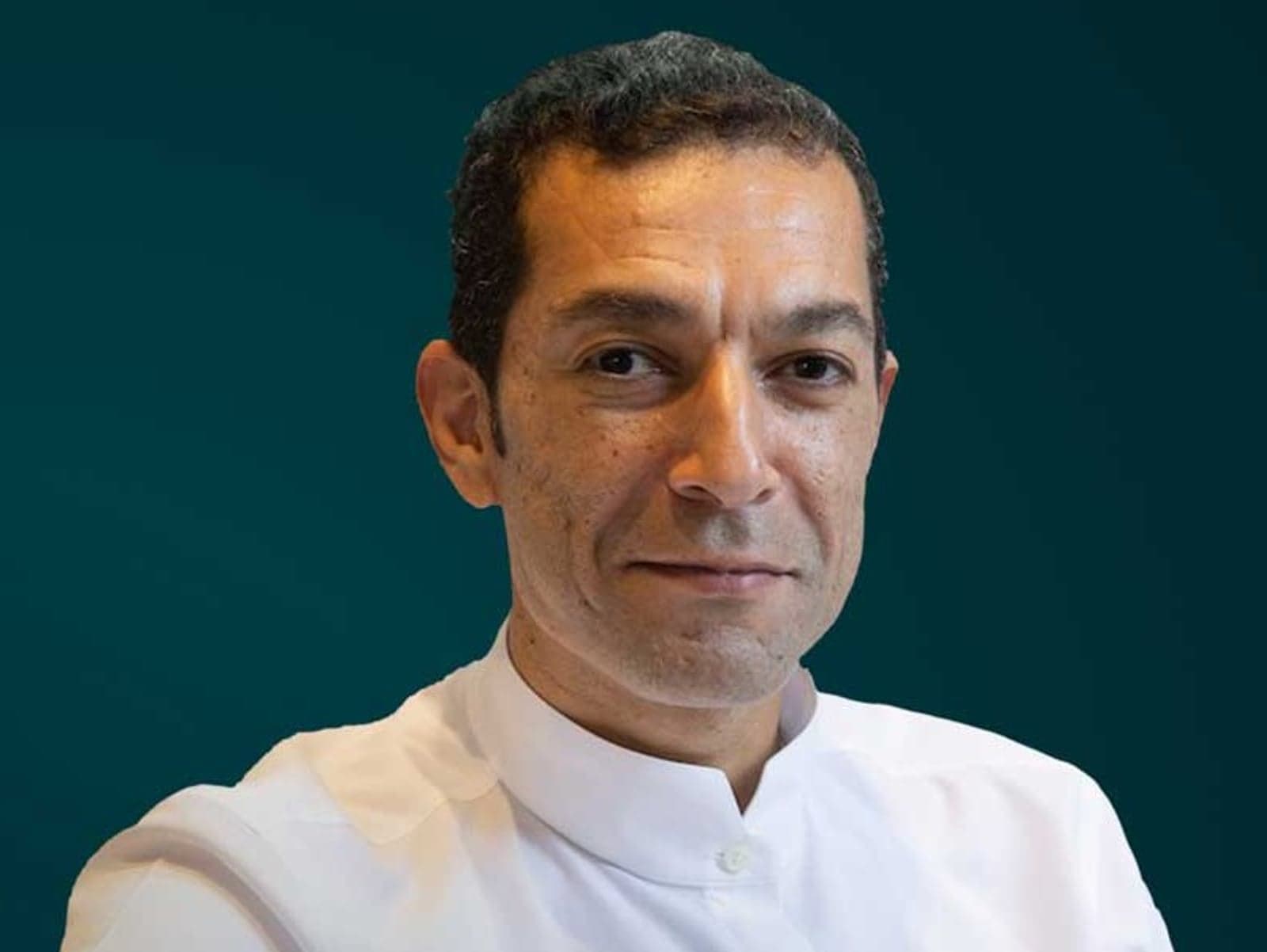
“Our research has the ability to really advance existing scientific research streams to source suitable options for safe storage of CO2 without consuming too much energy and without the need to deploy expensive and often time-consuming exploratory investigations."
To strengthen its research, the university hosted a two-day workshop and three-day hackathon event, bringing together experts in AI, computational science, and CCS.
The workshop provided an opportunity to discuss the role of interdisciplinary collaboration and the hackathon saw teams develop AI-based solutions for challenges related to carbon capture, storage, and policy/economics. Participants focused on tackling tasks like discovering new materials, modelling subsurface fluid flow, and analysing patterns in CCS patents.
Energy Transitions Podcast: Weighing the true cost of carbon capture
Professor Clare McCabe, co-leader of the project's carbon capture component and Bicentennial Professor at Heriot-Watt University adds: "The enthusiasm and ingenuity displayed during the hackathon was truly inspiring. Students and postdocs coded tirelessly, developing AI models that could reshape how we approach CCS technologies. I was very impressed with the workshop, but especially so with the optimism and energy in the hackathon. Students and postdocs from both within and outside the ECO-AI project coded for three days working on various AI models related to the ECO-AI project.”
Researchers hope their work will demonstrate the economic viability of CCS, especially in the context of decarbonising hard-to-abate sectors such as steel and cement.
CCS has been criticized for a perceived trend of over-promises, under-delivery and high costs. A report recently published by London-based think tank Carbon Tracker shows that the costs of implementing CCUS in key hard-to-abate sectors (such as cement, steel and dispatchable power plants) are still high and the technology has not been proven at scale.
Despite CCUS presenting a somewhat unattractive picture, the report emphasises that CCUS remains a key feature of global net zero scenarios. This is because carbon capture and negative emissions can buy some time essential to remain below 1.5oC of warming while emissions from the hardest to abate sectors are phased out.