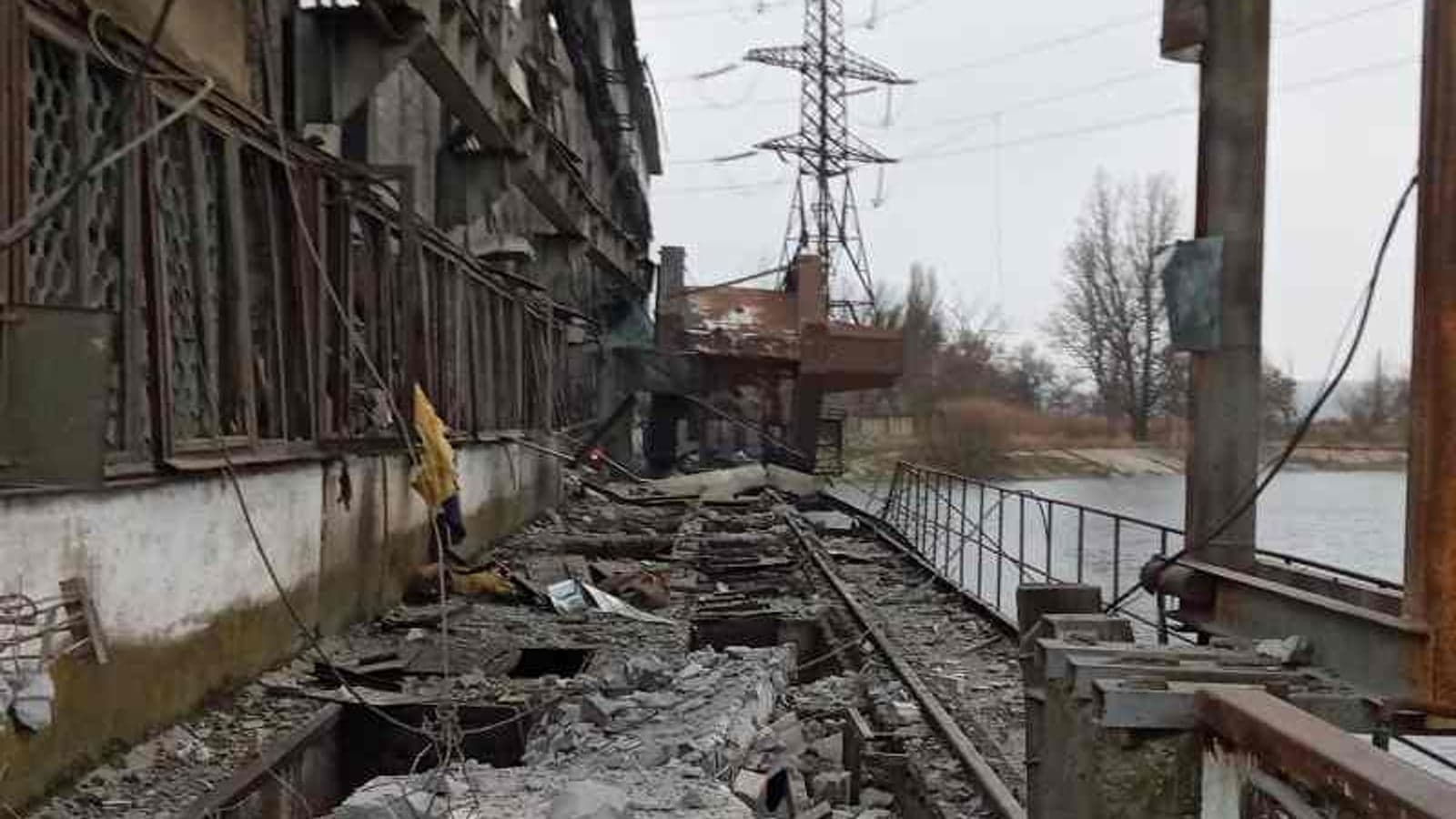
Analysis: Impact of the Ukraine crisis on Europe's energy markets
Guest/partner contributor
Posted on: 24 February 2022
Lorena Skiljan and Peter Gönitzer from Nobilegroup share their take on the consequences of the Russian invasion of Ukraine for the energy markets in Europe.
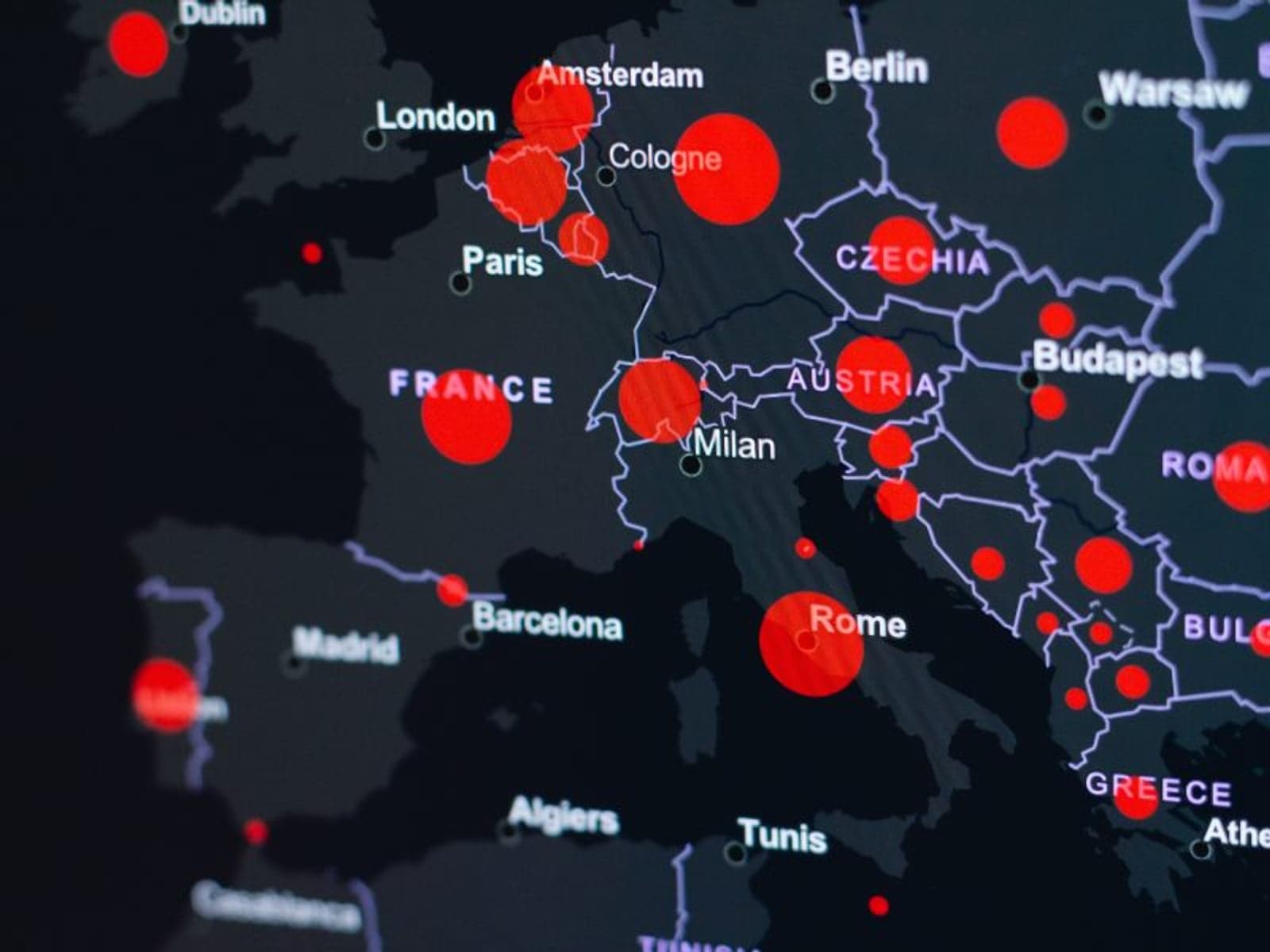
Lorena Skiljan and Peter Gönitzer from the Austria-based consultancy Nobilegroup share their take on the consequences of the Russian invasion of Ukraine for the energy markets in Europe.
Observers have been predicting a Russian invasion of Ukraine for weeks. Kremlin chief Vladimir Putin has officially ordered a foreign deployment of the Russian military in the Luhansk and Donetsk regions of Ukraine, and beyond. Russian and Ukrainian soldiers are about to face each other for the first time in the conflict that has been going on for eight years.
In a joint statement, EU Commission President Ursula von der Leyen and EU Council President Charles Michel condemned Russia's attack against Ukraine asking Russia to withdraw its troops and respect Ukraine's territorial integrity. Following several sanctions already placed against Russia by Western powers, the EU announced it will immediately close new sanctions against Russia. "The EU stands by Ukraine," said EU Commission President Ursula von der Leyen.
Have you read?
Energy markets react to Russian aggression
In addition to sanctions intended to cut off Russia from the international financial market and trade, the federal government of Germany has decided to stop the certification of Nord Stream 2 “until further notice”. Nord Stream 2 is a pipeline through the Baltic Sea that is intended to deliver natural gas from the world's largest reserves in Russia to meet growing consumer demand in Europe.
Given the fact that Russia’s majority state-owned energy corporation Gazprom is dominating Europe’s gas market, the conflict fuels fears that possible sanctions from the Kremlin could limit natural gas exports to Europe, potentially having a direct impact on electricity prices. Logically, if natural gas becomes more expensive due to a shortage in supply, generating electricity, in which natural gas has a price setting effect, will also become more expensive.
Soaring energy prices
Due to the impact of COVID-19 on our global economy, Europe already finds itself in the throes of an energy crisis. Prices for electricity, gas and coal have in some cases reached their highest levels since the introduction of liberalized energy markes, or at least within the last 15 years.
From February 2021 the Austrian gas price index (ÖGPI) rose by 493% and the Austrian electricity price index (ÖSPI) by 139.1%. Given the fact that approximately 85% of Austria‘s demand in natural gas is met by Russia’s Gazprom, a potential limitation of imports related to sanctions is expected to have a further potentially dramatic price-boosting effect on electricity prices.
Gas supply at risk
The short-term supply in Austria does not seem at risk. Austrian Oil & gas group OMV does not see a decline in gas supplies from Russia and expects all contractually agreed quantities to be delivered. This has also been confirmed by Gazprom. Natural gas storage tanks in Austria are only filled by approximately 18% (lowest level in EU), stirring up unrest within the energy sector.
However, compared to other EU members, Austria has a relatively high storage capacity amounting to 95.5TWh. For comparison: EU-wide, the storage tanks are filled by approximately 30% amounting to 340TWh with a storage capacity of around 1,100TWh. The largest storage capacities are in Germany with 241TWh, followed by Italy (198TWh), the Netherlands (144TWH) and France (128TWh). The German storage facilities are 31% full, those in Italy 40%, in the Netherlands 22% and in France 25%.
Due to the mild winter, levels should last until the end of the heating season even with a complete disruption of gas supplies from Russia. According to experts, with a view to next winter and a possible further escalation of the Russia-Ukraine conflict, other sources of supply will have to be sought to reduce dependence on Russian gas. A possible alternative is liquid natural gas, however it would have to be imported at significant higher prices compared to Russian natural gas.
Push for renewable energy expansion
In addition to the COVID-19 crisis, the climate crisis has dominated media reporting over the last couple of years. Governments and local authorities have initiated processes through legislation and funding to achieve the EU’s long-term strategy of achieving carbon neutrality by 2050. The Ukraine crisis and its potential impact on European energy markets could act as an accelerator boosting the expansion of renewable energies.
However, the question that arises in this context is, will the Ukraine crisis shift Europe even more towards nuclear energy?
Unfortunately, in our opinion, electricity from nuclear and gas power plants is classified as sustainable in EU legislation. Nuclear energy and gas are explicitly recognized as "bridging technologies" to help achieve the EU’s climate goals.
A crisis for all – a chance for everyone: In light of the current chain of crises we are going through - a further rise in energy prices is highly likely.
While its questionable to what extent Russia can or wants to afford an interruption or restriction of its gas supply, the crisis once again shows us how dependent we are on Russia or other players regarding our energy supply.
Our vision at Nobilegroup includes a decentralized and participatory energy future. We develop renewable energy communities. Benefits of these communities include a renewable, local and decentralized production, as well as in the independence from the electricity market & price stability.
About the authors
Lorena Skiljan is Chief Operating Officer at Nobilegroup
Peter Gönitzer is founder and founder and CEO of Nobilegroup
Nobilegroup is a consulting company focussing on the development of renewable energy solutions