ArcelorMittal Nippon Steel India gets efficiency upgrade with ABB
Pamela Largue
Posted on: 4 July 2023
Technology company ABB will provide electrification and automation systems for ArcelorMittal Nippon Steel India’s advanced steel cold rolling mill in Hazira| Gujarat.
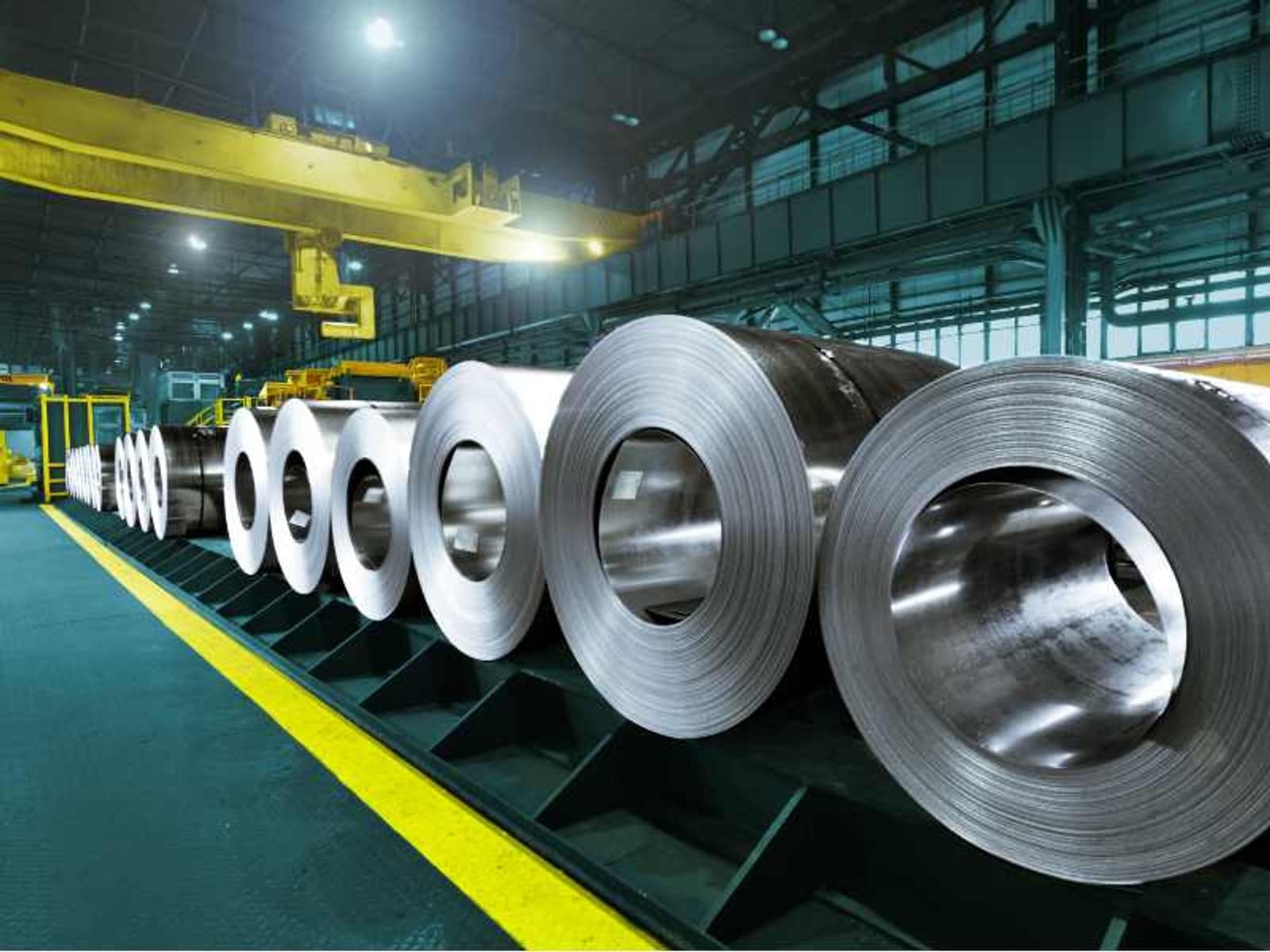
Technology company ABB will provide electrification and automation systems for ArcelorMittal Nippon Steel India’s advanced steel cold rolling mill (CRM) in Hazira, Gujarat, India.
ArcelorMittal Nippon Steel India (AM/NS India), a joint venture between steel companies ArcelorMittal and Nippon Steel, is setting up the new CRM as part of its downstream expansion and sustainability plans.
The steel manufacturer has a crude steel capacity of 9 million metric tonnes per annum. It produces a range of flat steel products and has a pellet capacity of 20 million metric tonnes.
ABB is charged with enhancing energy efficiency, optimising zinc consumption and corrosion resistance throughout the steel production process.
In order to achieve this, ABB will provide electrification and automation systems, including the ABB Ability™ System 800xA distributed control system (DCS) and associated equipment.
Have you read?
ArcelorMittal India looks to wind to decarbonise steel plants
SMRs could be used to decarbonise steel-making in Finland
Dilip Oommen, CEO of ArcelorMittal Nippon Steel India, said in a statement: “This expansion will help us meet the growing demand for high-end steel, while also enhancing our portfolio of value-added, sustainable steel."
Vinod C, local division manager of Process Industries at ABB, said: “The metals industry is essential for the transition to a net-zero world. Working with JCIL on this milestone project will support AM/NS India in developing one of the most sustainable, efficient, and modern steel operations.”
The new CRM with advanced processing lines is due to be commissioned in 2024.
According to the Organisation for Economic Co-operation and Development (OECD), the iron and steel sector accounts for almost 8% of global emissions, making it one of the highest-emitting industry sectors with around 30% of industrial carbon emissions. Decarbonising the steel industry is therefore essential to reaching net zero goals.
McKinsey states that making one metric tonne of steel results in 1.8 metric tonnes of CO₂ emissions. Recent policy developments and governments' net zero targets have led many steelmakers to set high decarbonisation goals.
This will see carbon-capture process modifications and efficiencies introduced over the next decade, however, getting all the way to net zero would require more investment, and potentially an overhaul of the steelmaking process.
Related tags
Latest content
Partner content
+2
Time to get smart with substation virtualisation and digitalisation
The smart bidirectional power transmission grids of tomorrow need to balance the integration of centralised and distributed electricity generation, writes Daniel Sun, Product Sales Manager, Advantech.
- Guest/partner contributor
- 17/11/2025