Are SMRs the solution for Poland's energy transition?
Pamela Largue
Posted on: 1 October 2024
Enlit on the Road visited ORLEN Synthos Green to learn why they think small modular reactors (SMRs) are right for Poland's energy transition.
ORLEN Synthos Green Energy (OSGE) believes that the answer to Poland's clean energy requirements is a next-generation nuclear solution, small modular reactors (SMRs).
With some of the oldest energy infrastructure and most polluted air in Europe, Poland is ready for a decarbonised baseload power source that can support the grid and be tailored to the individual needs of large power users.
Enlit on the Road visited the OSGE offices in Warsaw and spoke to Prof Wacław Gudowski to find out why Poland is ready to embrace small modular reactors.
A potential gamechanger for Poland
Gudowski explained that for the first time in the development of nuclear energy, vendors can now tailor the reactor to the needs of the client.
"The nuclear industry has always said bigger is better. That's not true, small is also nice and beautiful especially if it's merged with existing needs...".
The customer can now choose to have a reactor that can produce heat and electricity close to where it's needed, with the option of working off-grid.
"SMRs are the first in nuclear technology history...which is offering the customer the choice."
"The future consumer will be ready to pay more for a better conscience for less carbon footprint," said Gudowski.
More from Enlit on the Road - Poland:
Site visit: How a digital twin can future-proof European hydropower plants
Site visit: ZE PAK’s decarbonisation strategy in East Poland
How to create jobs after coal in the heart of Poland
SMRs meet not only industry hopes but also industry needs, he added, stating that Poland's industry must decarbonise for their products to remain competitive in the European market.
Also, Gudowski believes that reactors operating in cogeneration mode ultimately serve to answer Poland's main energy challenges; clean electricity, clean heating, and upgrading ageing infrastructure.
"When you put this equation together, the nuclear reactor is actually a fantastic solution."
SMRs in Poland's coal-to-nuclear energy transition
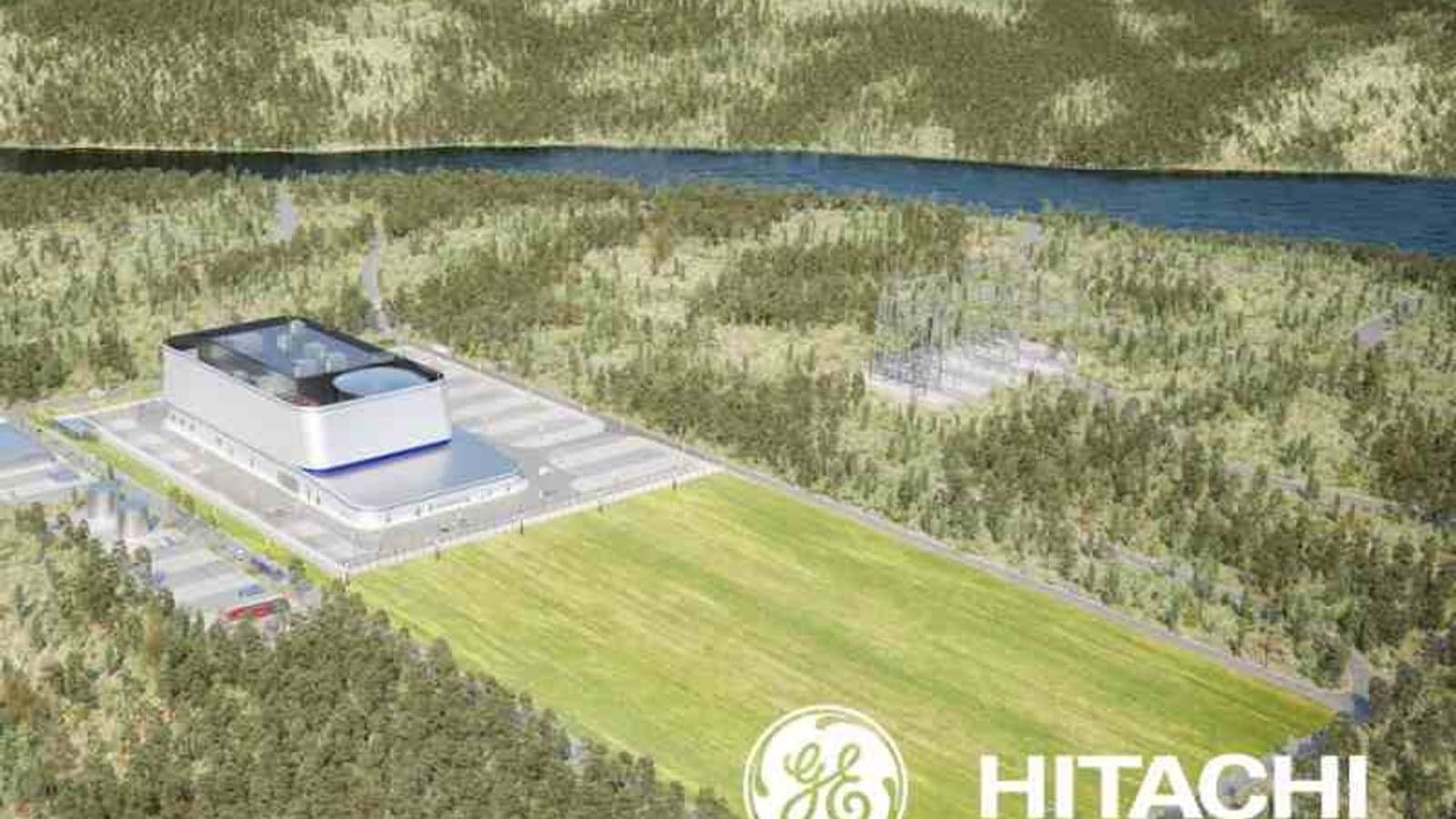
To meet the future needs of the well-established Polish industry, OSGE chose to work with a 300MW reactor, the BWRX-300.
The BWRX-300 is a water-cooled, natural circulation SMR with passive safety systems that leverage the design and licensing basis of GE Hitachi's US NRC-certified ESBWR 1520Mwe. It's adapted to function in cogeneration mode to produce heat and electricity.
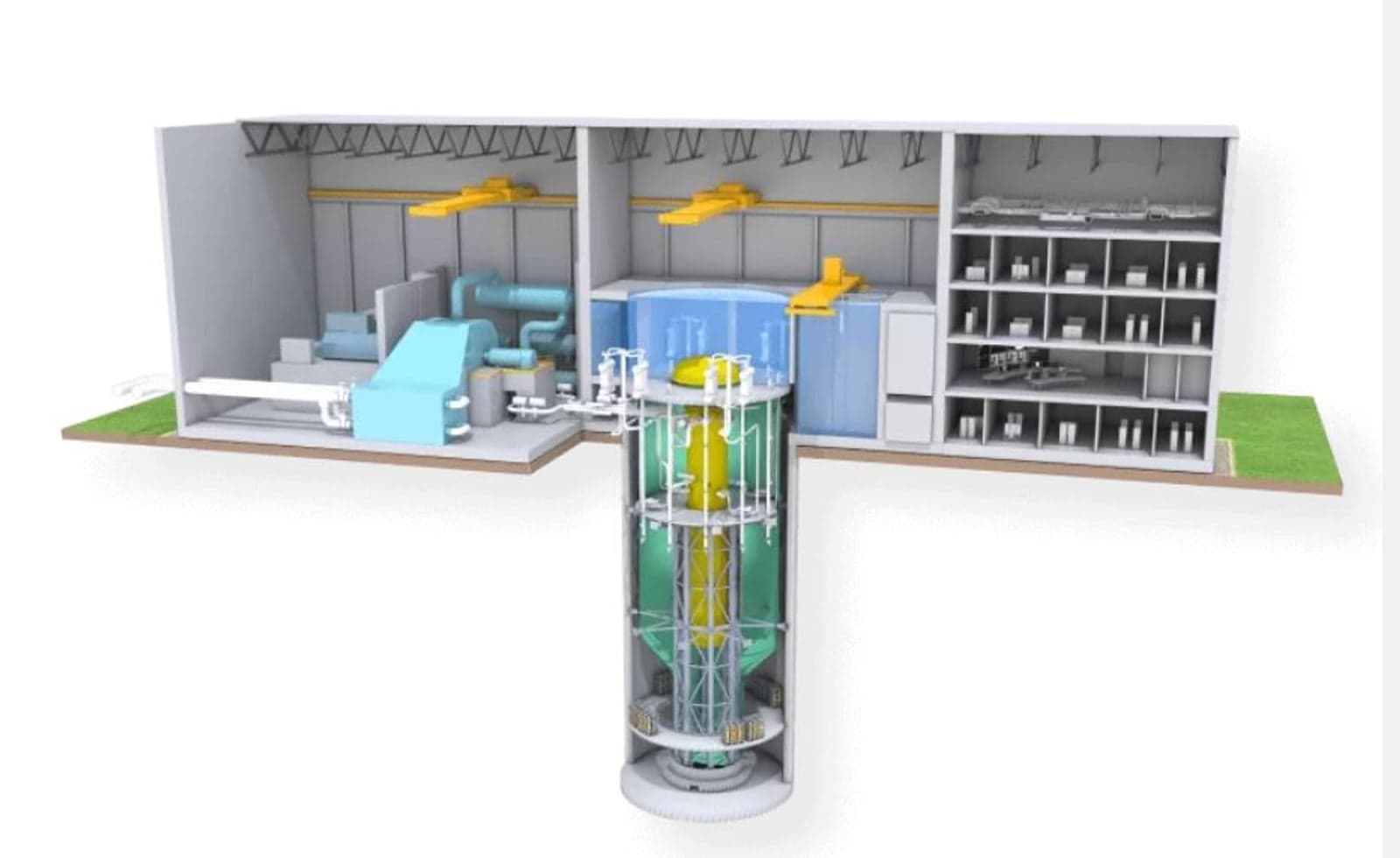
"[It] fits perfectly for the coal-to-nuclear change," said Gudowski, who proudly added it was designed by a former student of his, Christer Dahlgren, who passed his reactor physics exam 30 years ago.
Besides partnering with GE Hitachi, OSGE is also collaborating with OPG in Canada, and Tenessee Valley Authority in the US and currently has about 83 different projects registered.
Of the 83 registered projects, Gudowski said that "political blessing" has been received for seven projects in Poland. These projects will cover diverse reactor sites, with an emphasis on close proximity to the customer, minimising investment costs and maximising existing infrastructure.
Overcoming hurdles to SMR deployment
Gudowski did not mince his words about one of the main challenges to overcome in this landscape.
He said laughing: "The biggest challenge is politics..."
He explained that for decades, nuclear energy was a monopoly of the state and this needed to change so SMRs could enter the market and lower investment threshold and risk.
"This movement created a lot of excitement, however, you can't make nuclear work without the cooperation with the state."
Also of interest:
Dutch province creates nuclear energy alliance to support energy transition with SMRs
The importance of SMRs for the European energy transition
You need to have a working framework between the private sector, the government and the regulator.
His advice: "Make very clear rules of the games and then do not intervene with the games if they follows the rules."
Besides clear rules of engagement, Gudowski also recommended making licensing clear and understandable for all stakeholders and investors.
OSGE is also working with its partners to standardise the SMR design, to allow for streamlined licensing and easy adoption no matter the national regulation.
One problem the industry is not facing - at least according to the professor - is a ready and willing workforce.
Gudowski claimed that "Students are the smartest creatures on earth...if they will see the labour possibilities, the workplaces, the development possibilities, they will go..."
The universities are ready, he claims, and OSGE is creating training programmes and a new training centre together with OPG with a full mock-up of the BRWX-300.
And while Gudowski expressed great enthusiasm for the role of SMRs in Poland's decarbonised future, he did emphasise that the country needs to get nuclear right.
"This is the third approach of Poland to nuclear, we can not fail now."
Watch the full video for more insights into the future of SMRs in Poland.