Battery energy storage and its trading pain point
Yusuf Latief
Posted on: 29 November 2024
Roberto Castiglioni, CEO of Ikigai, discusses how battery energy storage systems as trading assets require deep pockets.
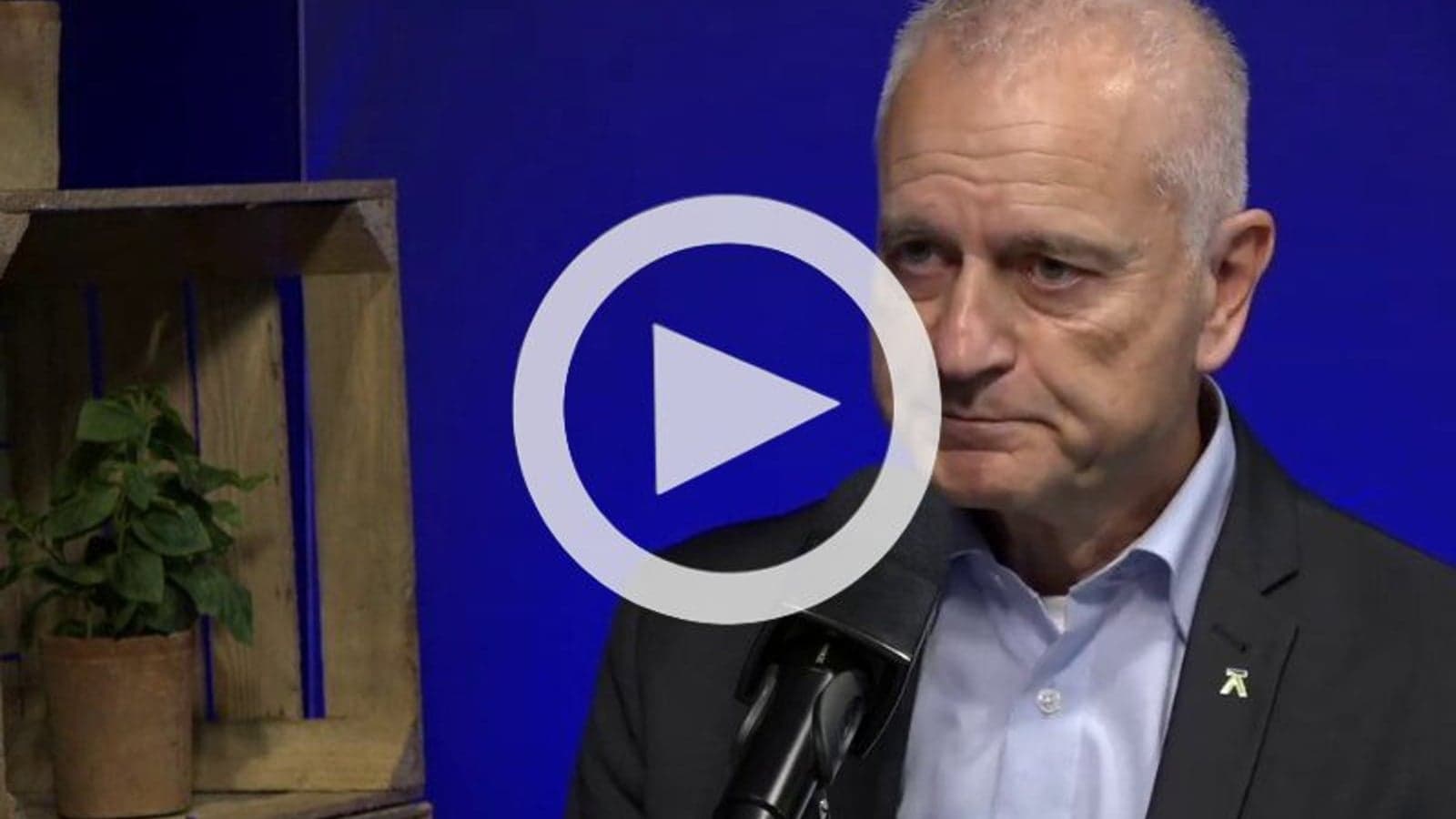
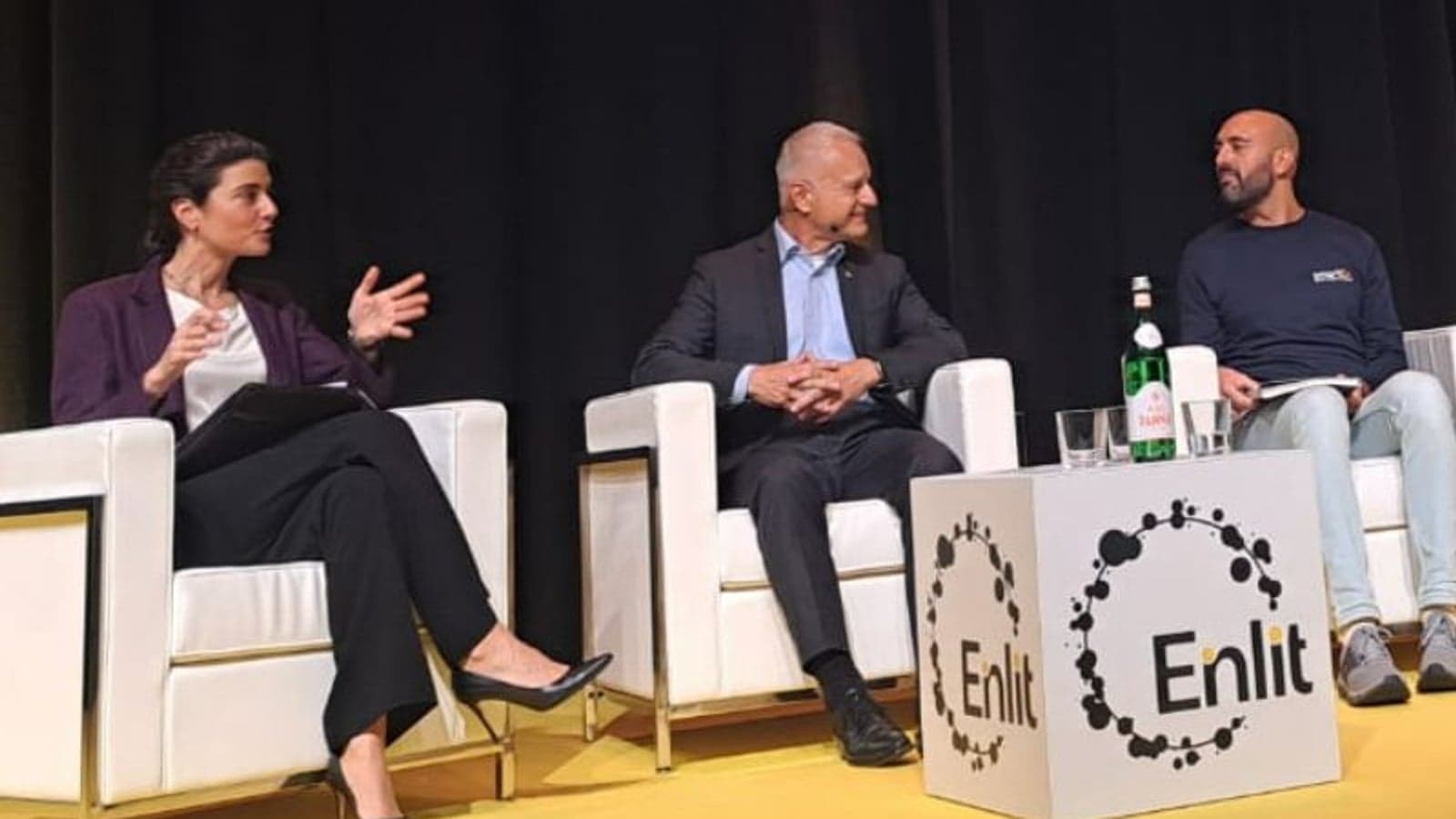
The battery energy storage market has seen many developments over the last year, but challenges remain. One key issue is its very nature as a trading asset, explains Roberto Castiglioni of Ikigai during an exclusive interview at Enlit Europe.
For Castiglioni, the consultancy’s Co-Founder and CEO, the immense capital needed for the storage sector is by itself a point of interest:
“Storage is quite an interesting sector. First of all, storage requires large amounts of capital – we’re talking about billions across every country in Europe.
“If you look at the targets in Italy, 12/15GW BESS installed by 2030, that means €12 billion ($12.5 billion) of investment in terms of just CAPEX.”
A big number indeed, begging the question of who foots the bill.
More from Enlit Europe:
How do the US, EU and China’s grid priorities compare?
Eurelectric chief: Four ‘I’s for the incoming EU European Commission
The answer, he adds, is institutional investors, those companies or organisations that invest money on behalf of clients or members.
Said Castiglioni: “They have the big pockets to support this.
“The problem is that the revenue stream generated from battery storage is very suitable for trading companies…it’s a trading asset because you buy electricity low and sell it high, by nature.
“So unless governments come up with support schemes of contractualised revenues, it's going to be difficult for the large pocket of money to support an asset that is very suitable for a trading house. But the trading houses are not used to holding physical assets to trade.”
According to Castiglioni, these trading houses lack the capabilities and billions in funding available to buy and trade these assets.
“The perfect animal for me as a developer of an asset would be a trading company with very deep pockets. But otherwise, we have to rely on contracted revenues until storage projects become pure infrastructure, revenue-led.
“When we get to the point where they become part of the network, hence an infrastructure kind of asset and the revenue stream is tailored for infrastructure investors, it will be interesting to see how the large investors will come into the market.”
Watch the rest of the interview for Castiglioni’s insights into global markets, not only across Europe but in China and the US, as well as whether the risk/return nature of battery portfolios hazard net zero goals.