Home
/
Bulgaria’s forward-looking policies create plenty of low-carbon investment opportunities
Bulgaria’s forward-looking policies create plenty of low-carbon investment opportunities
Heather Johnstone
Posted on: 6 July 2023
Bulgaria's forward-looking approach to support policies for renewables will result in investment opportunities, says, Denisa Kasa.
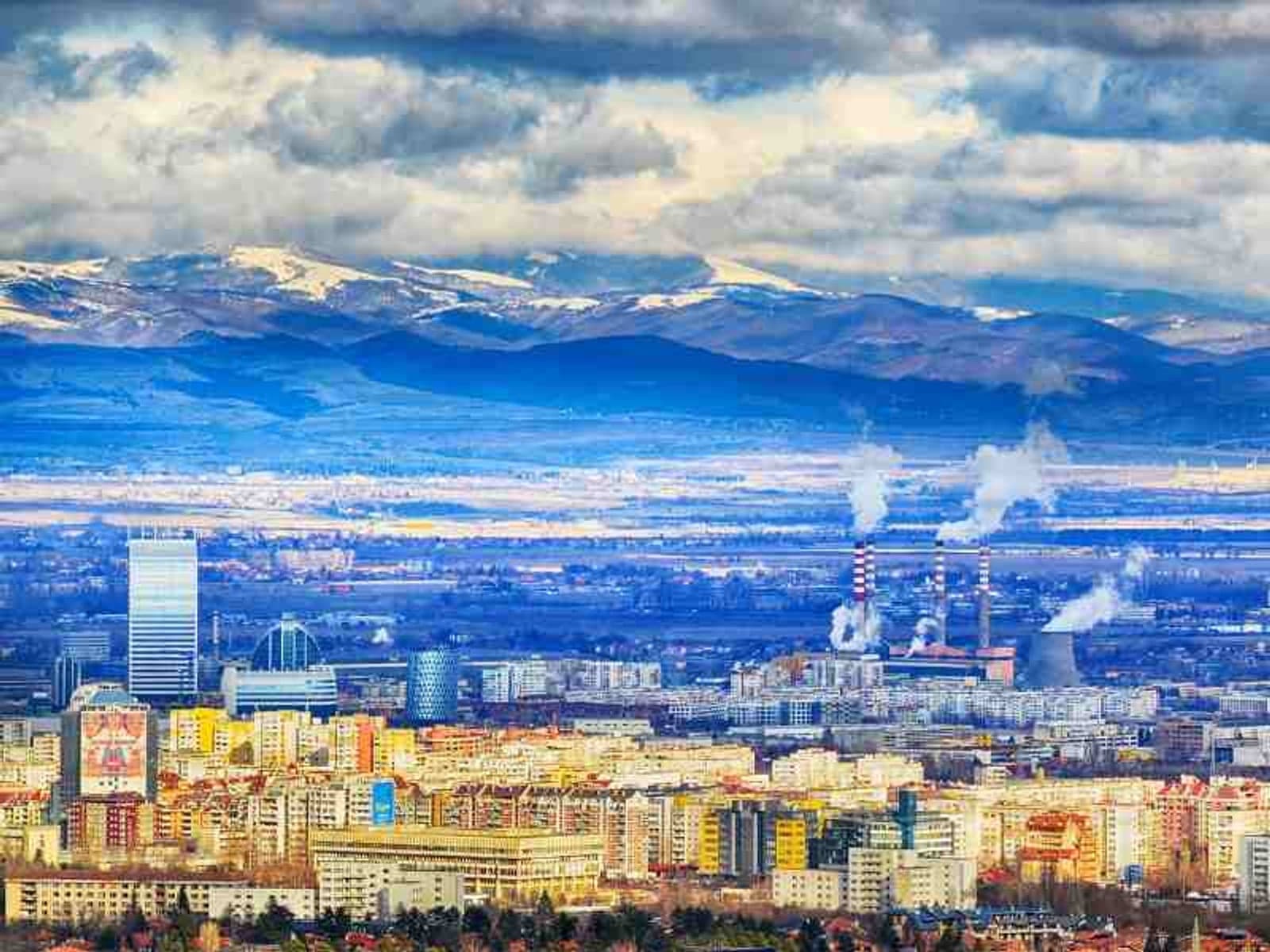
In the third and final in a series of articles from a research project, entitled “Energy Transition Business and Investment Opportunities for Eastern Europe and the Balkans”, being conducted by Energy Investment Management, attention turns to Bulgaria, which is forward-looking when it comes to the energy transition.
The report investigates and explores Bulgaria’s existing renewable energy ecosystem and the government’s development plans and policy-making to create a blueprint for the investment opportunities for businesses which may be pursuing low-carbon diversification of their portfolios or looking to engage in new activities or enter new markets.

The research was conducted by Denisa Kasa, a former Investment Advisor at Energy Investment Management. She undertook a series of interviews with professionals working across the Bulgarian energy sector to gather much of the information presented in the article.
In addition, to support the shared insights and information, Denisa conducted an academic literature review, along with referencing information from various industry bodies, including IRENA, European Biogas Association and WindEurope.
Key findings on Bulgaria's low-carbon investments opportunities:
- The “Sustainable Energy Development Strategy to 2030” sets a target of over 27% of energy coming from renewables by 2030.
- The Electricity System Operator estimates the necessary system capacity increase will require the addition of 4.9 GW of renewable energy by 2031.
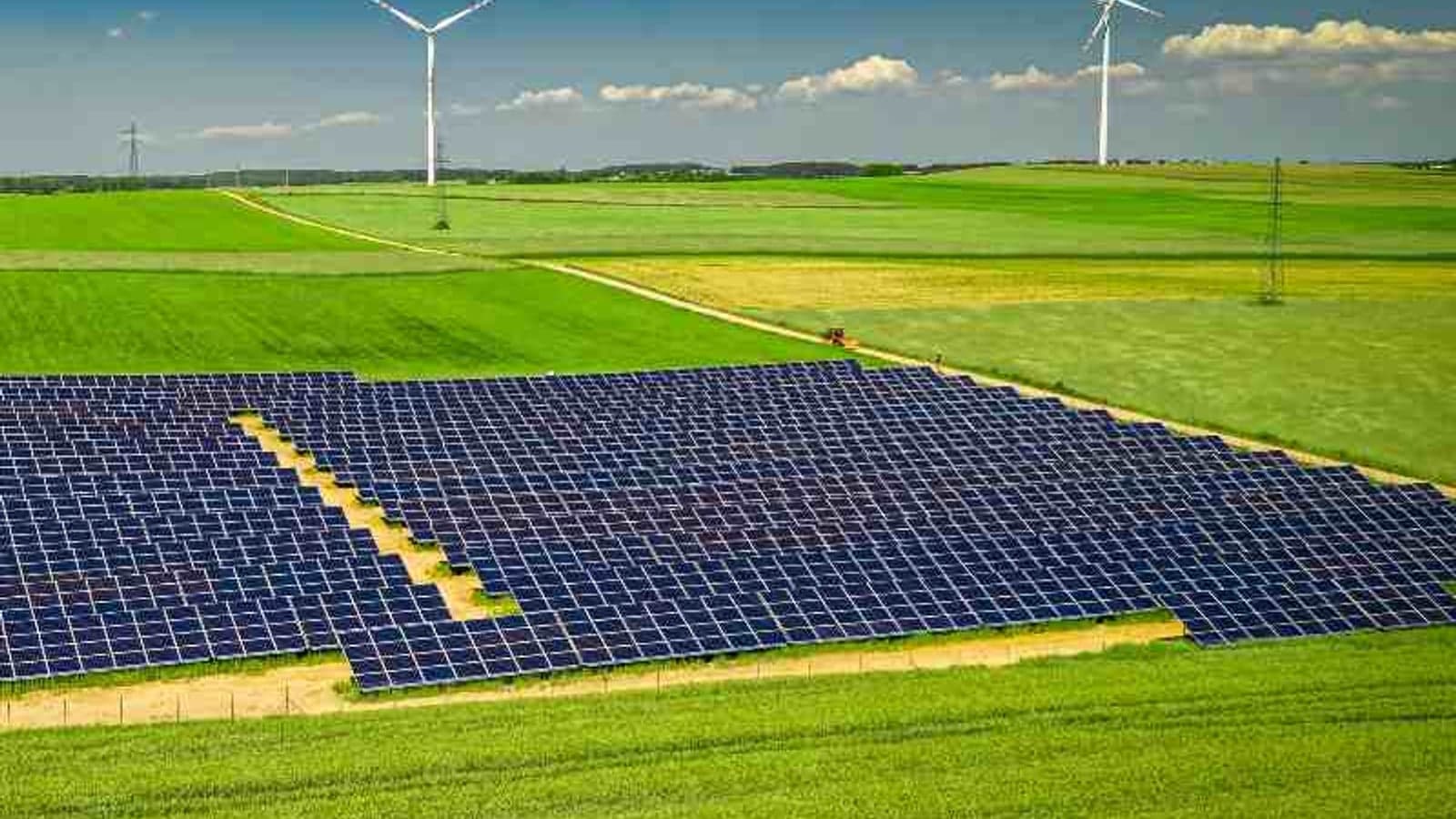
- Solar PV takes centre stage, with rooftop and floating solar expected to provide the most investment opportunities.
- After stalling over the last decade, installed wind capacity is expected to surge once again with the goal of doubling capacity by 2030.
- Positive signs for new nuclear, with the plans for a new unit at the Kozloduy NPP approved by the government in 2021 and its commitment to fast-track the project.
- For hydroelectric power, the focus over the coming years is expected to be on the refurbishment and modernisation of the existing fleet.
For more investment insights, download Denisa’s previous reports about Romania and Poland.