Call for EU grid investments to be stepped up
Jonathan Spencer Jones
Posted on: 22 April 2025
The European Court of Auditors (ECA) has called for grid investments to be stepped up to enhance the region’s energy independence and combat climate change.
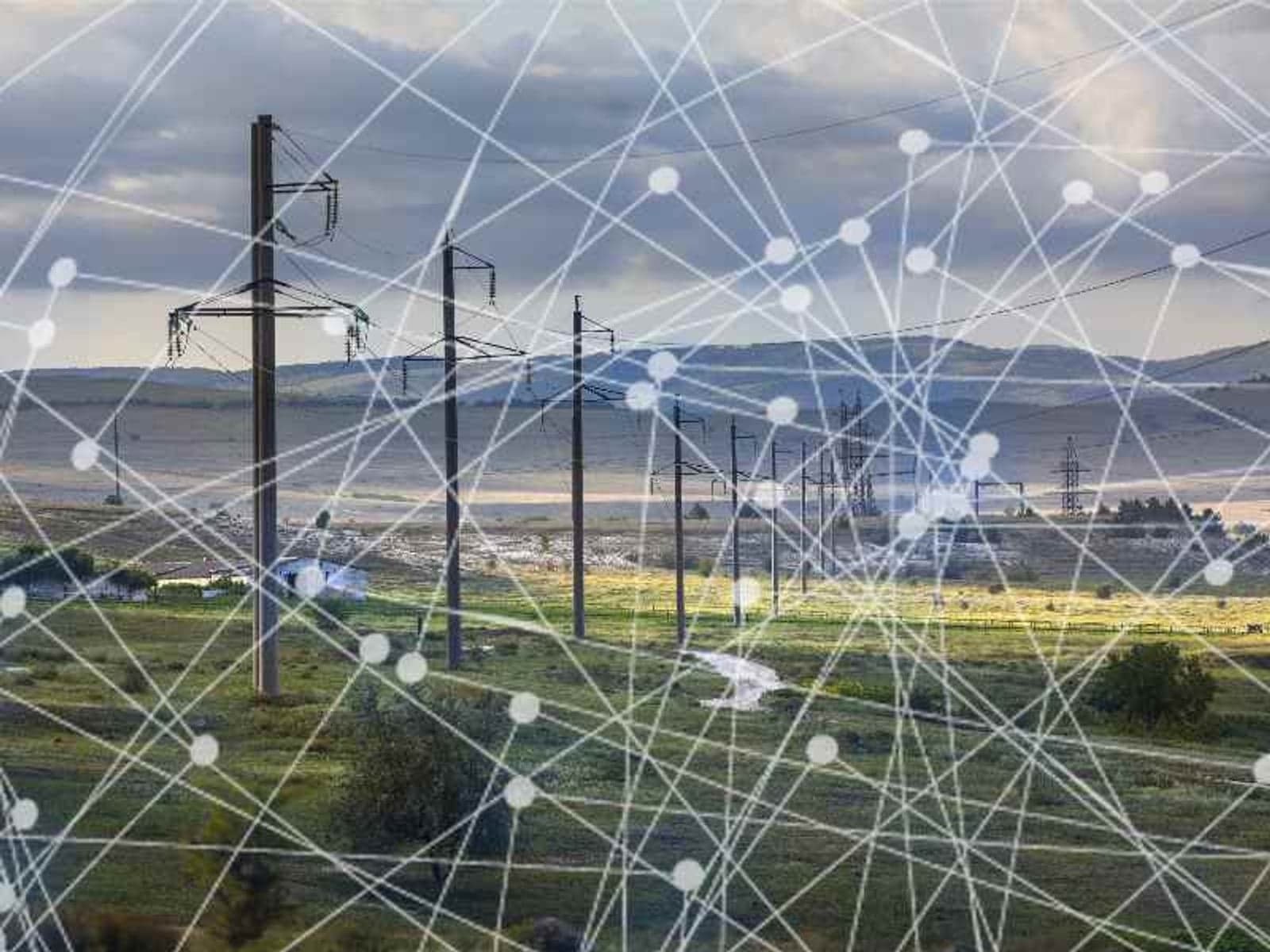
The European Court of Auditors (ECA) has called for grid investments to be stepped up to enhance the region’s energy independence and combat climate change.
Drawing on publicly available data supplemented with other materials and input from various stakeholders including the European Commission and national regulatory authorities, the ECA in a new report highlights the need for large-scale grid investments to modernise the EU’s ageing electricity network and to support the energy transition from carbon-based to green energy.
Aggregating current TSO and DSO investment plans, the ECA estimates that if the current pace continues, these will reach €72 billion annually until 2030, dropping to €68 billion from 2031 on, to total €1,871 billion ($2,030 billion) between 2024 and 2050.
However, this is below the European Commission’s estimate of investment needs ranging between €1,994 billion to €2,294 billion.
Also of interest
Europe Energy Briefs | Anticipatory investments for DSOs and TSOs
Thus, modernisation should accelerate. But it is being hampered by poor grid planning, lengthy permit procedures and limited public acceptance, as well as shortages of equipment, materials and skilled labour.
“A large part of the EU electricity grid dates from the last century. To ensure the EU’s competitiveness and autonomy, we need modern infrastructure that can support our industry and keep prices affordable,” said Keit Pentus-Rosimannus, the ECA member responsible for the review.
“The EU’s electricity demand is expected to more than double by 2050, so significant grid investment is inevitable. But we must use every tool available to minimise investment needs: new technology, storage solutions and more flexible grids can all help to bring costs down.”
The report, 'Making the EU electricity grid fit for net-zero emissions', notes that investment needs can be reduced by making the grid, as well as the electricity system as a whole, more flexible, with the opportunity timely to promote efficient solutions such as demand response, electricity storage and advanced grid technologies.
In addition to the commonly cited grid modernisation challenges above, with suggested mitigating actions, the report highlights the slow rollout of smart meters in some member states and the insufficient advancement or high cost of storage solutions and renewable hydrogen that are hampering opportunities to reduce the need for large scale grid expansion.
Grid investment challenges noted are striking a balance between the investment needs and keeping electricity bills affordable for consumers, maintaining grid operators’ access to finance and speeding up investments while limiting the risk of resources being spent on projects that may be underused or unnecessary.
At the same time, opportunities to facilitate the funding include using appropriate regulatory frameworks to incentivise efficient investment and utilising the full potential of EU funding initiatives.
The report concludes that making the EU electricity grids fit for net zero needs all parties involved to work together. The EU, and the Commission in particular, play a key role in this process, by improving overall governance and planning, creating the necessary legislative environment and providing funding.
At the same time, member states and grid operators are responsible for developing the grids and addressing the related practical, regulatory and financial challenges.