Cement produced in fully electrified and fossil-free rotary kiln
Pamela Largue
Posted on: 9 January 2025
Cemvision is now able to combine hydrogen| plasma| and resistive heating technologies to electrify at scale.
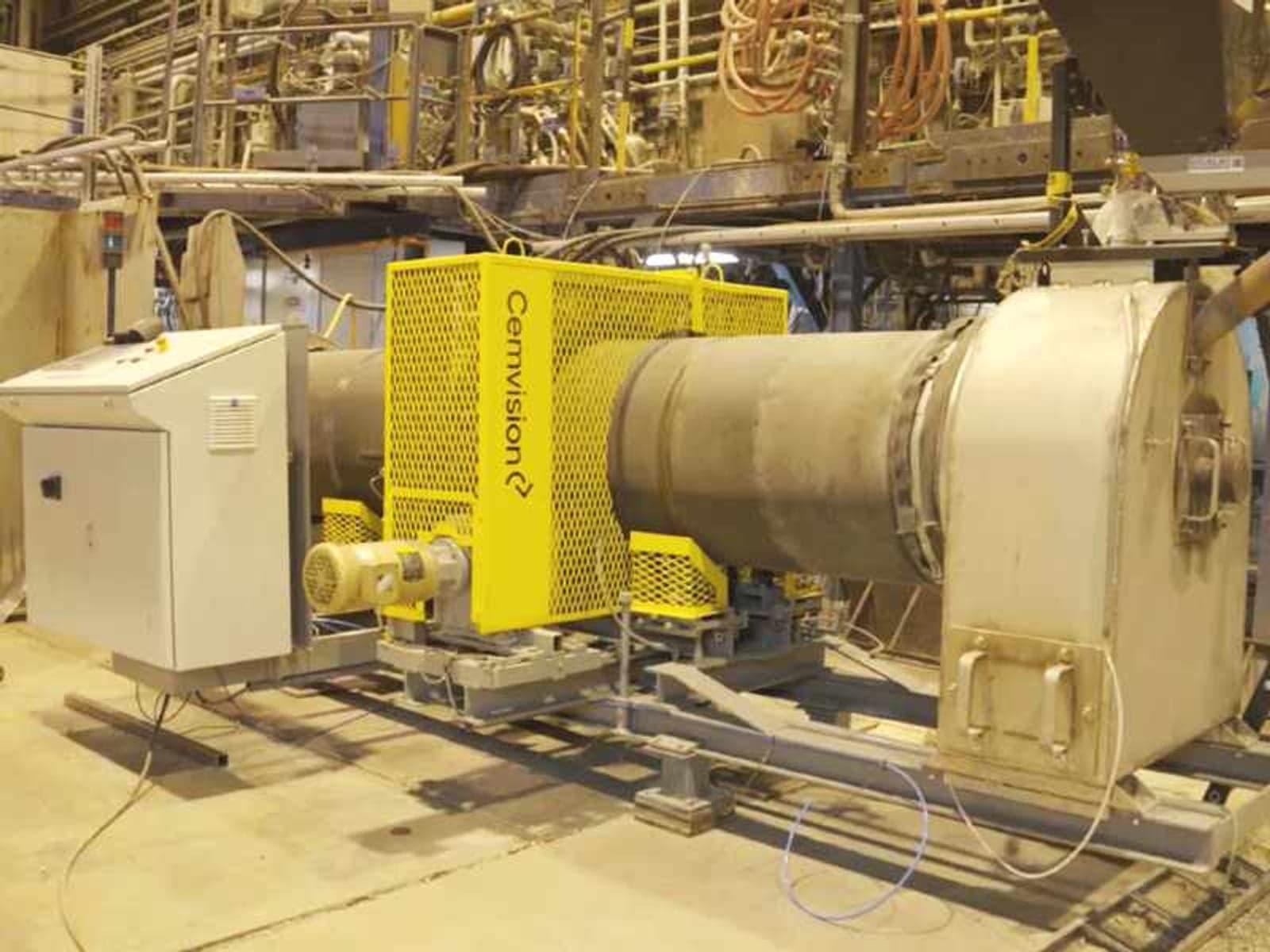
Swedish cement producer Cemvision has completed electrification of cement production in a rotary kiln, the same industrial kiln type used for traditional cement.
The company has referred to the milestone as an industry first, and is now able to combine hydrogen, plasma and resistive heating technologies to electrify at scale.
Oscar Hållén, CEO of Cemvision, commented in a statement: “With a 100% electrically made clinker, we show that industry-leading performance is possible with a minimal carbon footprint. This marks a fundamental shift toward truly sustainable building materials.”
According to Cemvision, fossil fuels like coal or gas were traditionally required to reach the 1,450°C heat needed to turn raw materials into clinker, cement's key component.
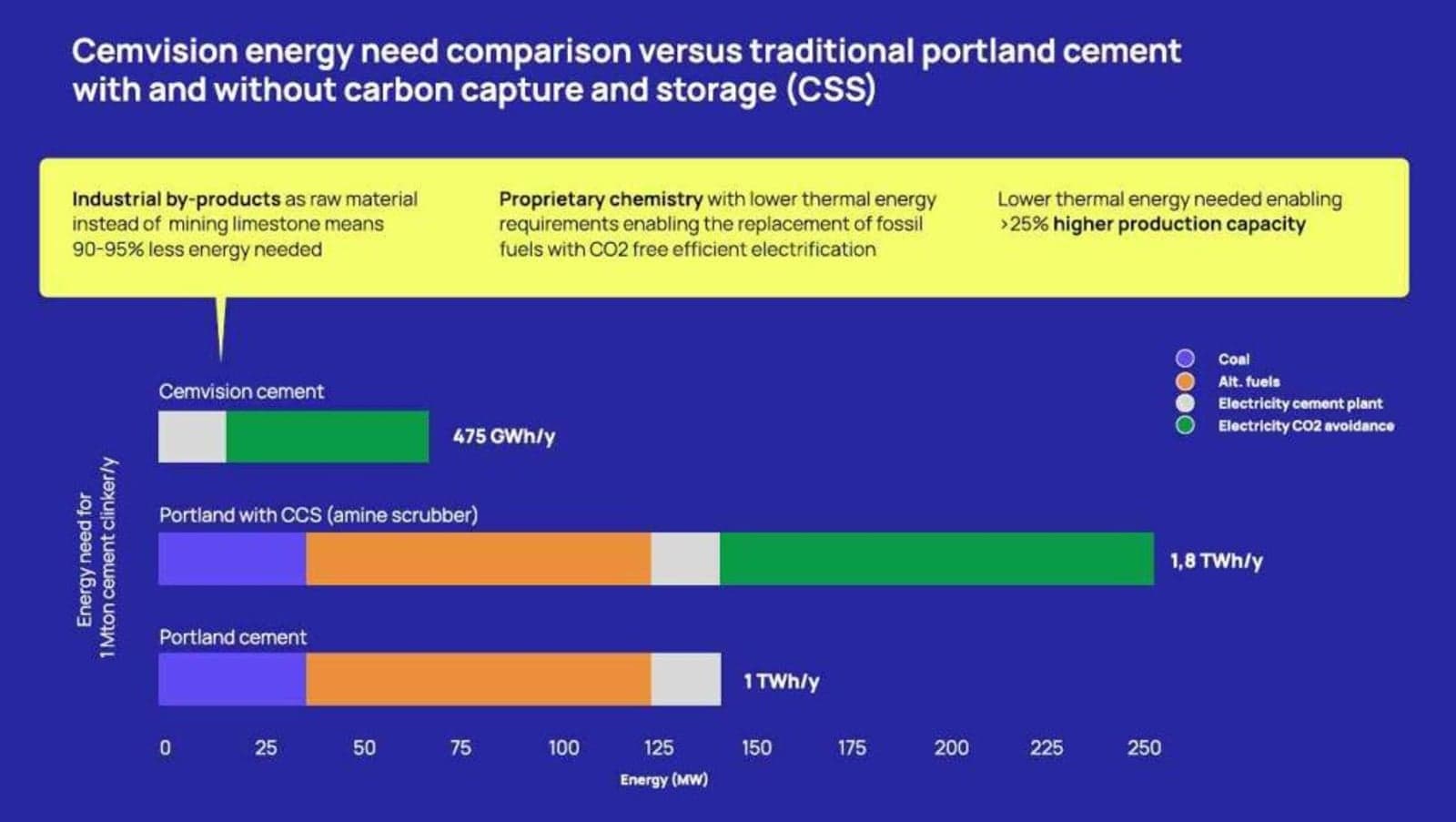
The company tested various technolgies to achieve the high temperatures without the use of fossil fuel, and ultimately opted for green hydrogen, resistive heating and plasma. The use of these technologies, states Cemvision in a release, has reduced energy consumption by more than half compared to Portland cement production.
Claes Kollberg, CTO of Cemvision, added: “We prioritise versatility in electrical technologies, believing in a combination for energy utilisation and energy storage. Hydrogen, resistive heating and plasma combined can offer a versatile and feasible zero carbon pathway across various production sites. Cemvision’s approach is not just climate-friendly; it’s highly pragmatic, resource-efficient and resilient.”
Have you read?
Funding secured for solar + storage project set to power green steel mill
ABB retrofits switchgear at Cemex plant in Poland
Hydrogen, plasma and resistive heating
Cemvision explained that "when combusted with oxygen, hydrogen generates water vapour, which has exceptional heat transfer properties, enabling...the extreme temperatures required for clinker production with remarkable energy efficiency."
Plasma heating utilises ionised gases to generate ultra-high temperatures. According to Cemvision: "electrical energy is coupled into a working gas via an electric arc. This energy input causes dissociation and ionisation in the gas and as a result a plasma is generated. The core of the created plasma plume can reach temperatures up to 20,000°C."
Resistive heating involves heating the kiln from the outside in, like an industrial-scale electric element and according to Cemvision, has delivered "exceptional clinker quality".
A sound business case
According to Cemvision, advances such as these position cement plants, as substantial power users, to optimise resource use and offer grid stability by switching seamlessly between energy sources.
Also of interest: Mission Possible: Tracking Europe’s industrial decarbonisation
Hållén explained: “For us, it’s all about reducing green premiums, making our products accessible without great surcharges and with a competitive price versus traditional Portland cement. Every decision we make is guided by that principle. At the end of the day, many of the green cement innovations currently researched in the market will have a hard time delivering cost-efficient products, or solutions that actually work. But there are practical paths forward that can make cement the most efficient way to decarbonise the economy.”