China claims world first for GWh-scale vanadium flow battery
Yusuf Latief
Posted on: 7 January 2026
Rongke Power says newly-deployed hybrid solar Jimusaer project in Xinjiang marks a milestone for utility-scale energy storage.
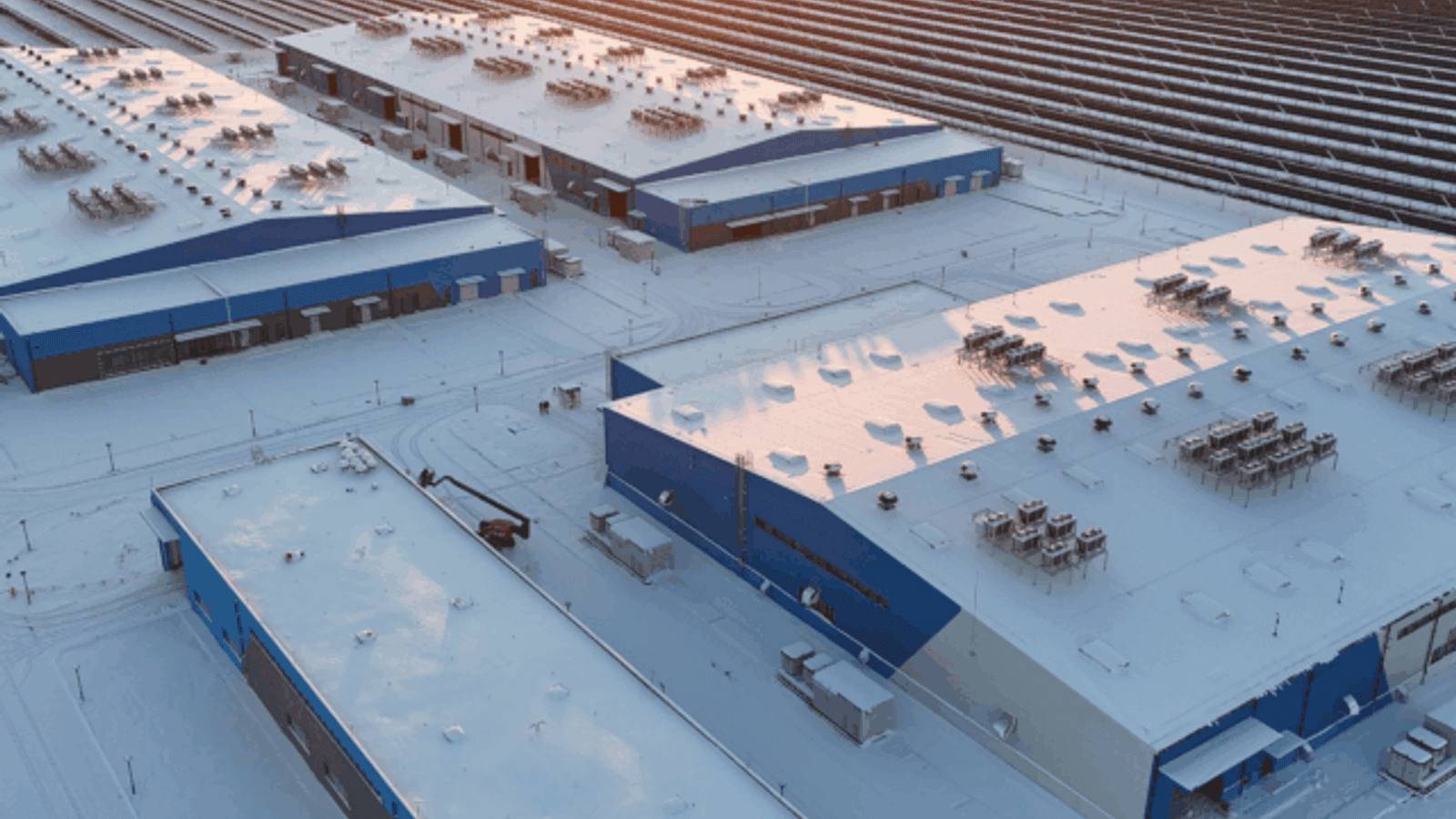
Rongke Power has delivered the Jimusaer Vanadium Flow Battery Energy Storage Project, calling it the world’s first vanadium flow battery deployment to reach the gigawatt-hour scale.
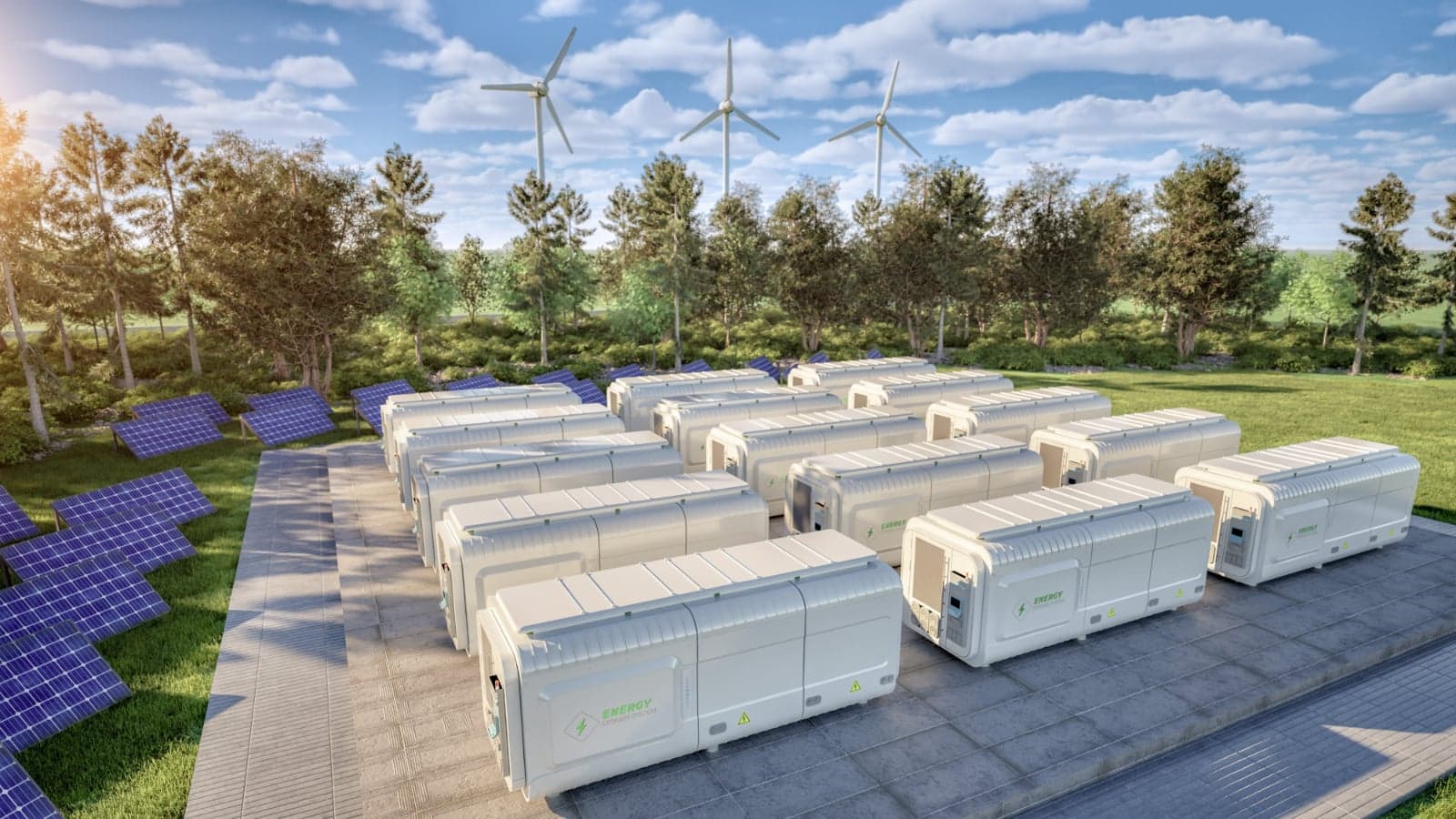
The project, in China's Xinjiang autonomous territory, is now in operation and provides a total installed capacity of 200MW/1,000MWh, enabling up to five hours of continuous discharge to support long-duration energy storage for utility-scale grid operation.
The energy storage system is integrated with a 1GW photovoltaic power plant, allowing surplus renewable generation to be stored during periods of high output and dispatched during peak demand.
To date Rongke Power has deployed more than 3.5GWh of vanadium flow battery systems worldwide and with Jimusaer going live, the company says it demonstrates the technology’s ability to perform reliably at unprecedented scale.
Have you read?
Battery tech roundup: Five developments in key BESS markets
DTEK closes loan agreement for 180MW battery storage projects
According to project data, says Rongke Power, the integrated renewable and storage system increases renewable energy utilisation by more than 230 million kWh annually, reducing curtailment and improving overall system efficiency.
Vanadium redox flow batteries store energy in liquid vanadium electrolytes, allowing for large-scale, long-duration storage for grid applications, unlike traditional batteries with solid materials.
According to a study published in Next Research, these types of batteries have emerged as a leading solution for ensuring a consistent supply of renewable energy. Distinguished by their use of redox reactions involving vanadium ions in electrolytes stored separately and circulated through a cell stack during operation, the battery’s design decouples power and energy, allowing flexible scalability for various applications.
Additionally, the batteries provide high energy efficiency, low parasitic losses, long cycle life, and excellent cycling stability, says the study, making them well-suited for grid-scale storage, load shifting, and renewable energy integration.
Related tags
Latest content
+2
Why an uncertain financial landscape is slowing the scaleup of batteries
In the wake of the European elections, new research reveals Europe’s battery rollout is lagging behind the rate required for 73 targets, and growth could slow further over the next three years.
- Guest/partner contributor
- 09/07/2024