China connects phase one of mega-kilowatt hydro-solar power station
Elizabeth Ingram
Posted on: 29 June 2023
Yalong River Basin Hydropower Development Co. Ltd. announced that the first phase of the Yalong River Hydropower Kela Photovoltaic Power Station was connected to the grid.
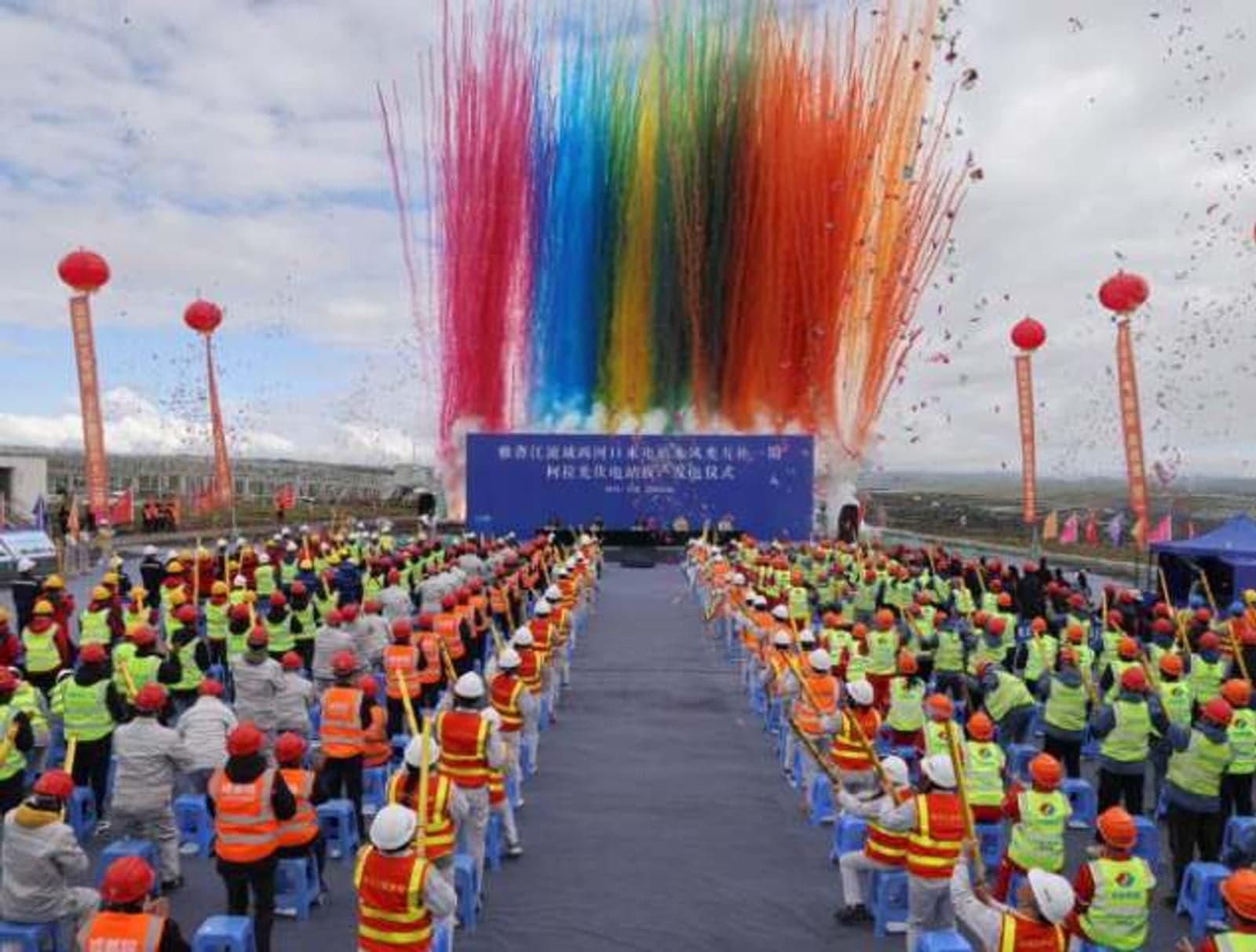
Yalong River Basin Hydropower Development Co. Ltd. announced that the first phase of the Yalong River Hydropower Kela Photovoltaic Power Station was connected to the grid in Ganzi Prefecture, Sichuan Province, China.
The company said this is “the world’s first mega-kilowatt ‘water-solar hybrid’ power station.”
Huang Qiang, deputy secretary of the Sichuan Provincial Party Committee and governor of Sichuan Province, announced that the solar power station was put into operation.
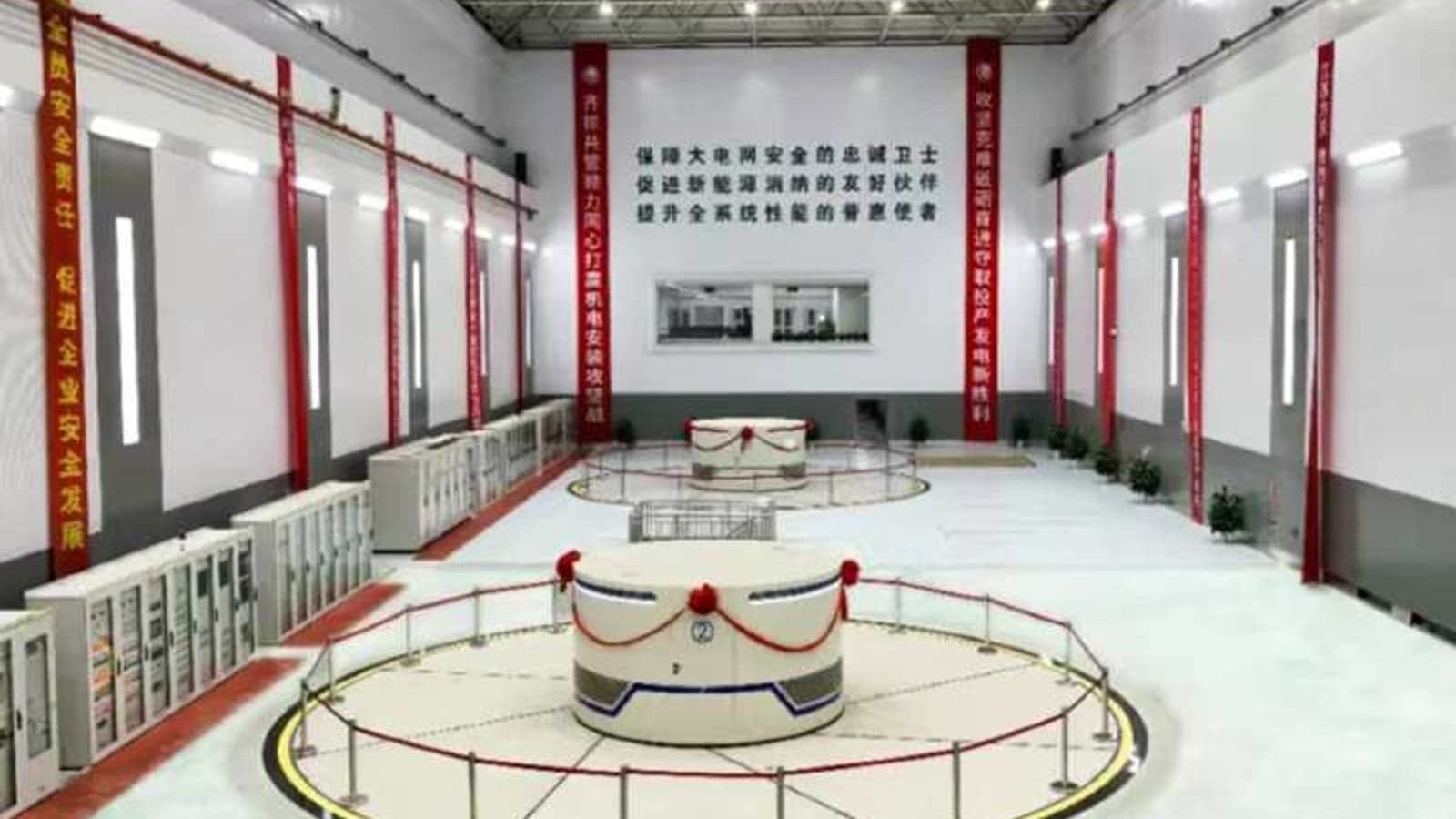
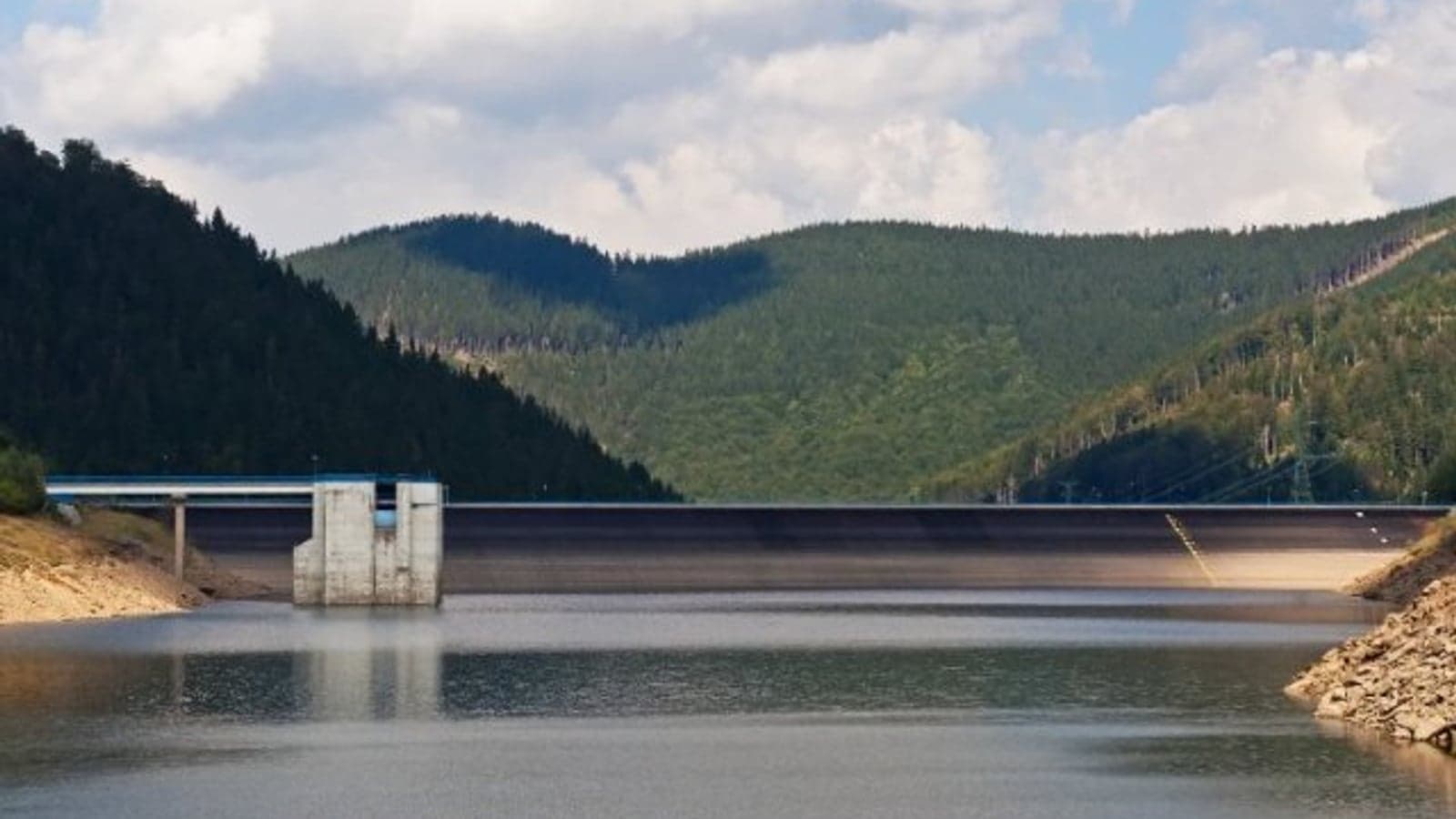
The Kela Phase I Photovoltaic Power Station is the first phase of the hydro-solar hybrid project at the 3 GW Lianghekou Hydropower Station. The site has a maximum altitude of 4,600 m and an installed capacity of 1GW. The solar power station is connected to the Lianghekou Hydropower Station, at a distance of 50 km, through a 500-kV transmission line to realize the “bundling” of photovoltaic power generation and hydropower.
Have you read?
Queensland awards contracts for Pioneer-Burdekin pumped hydro project
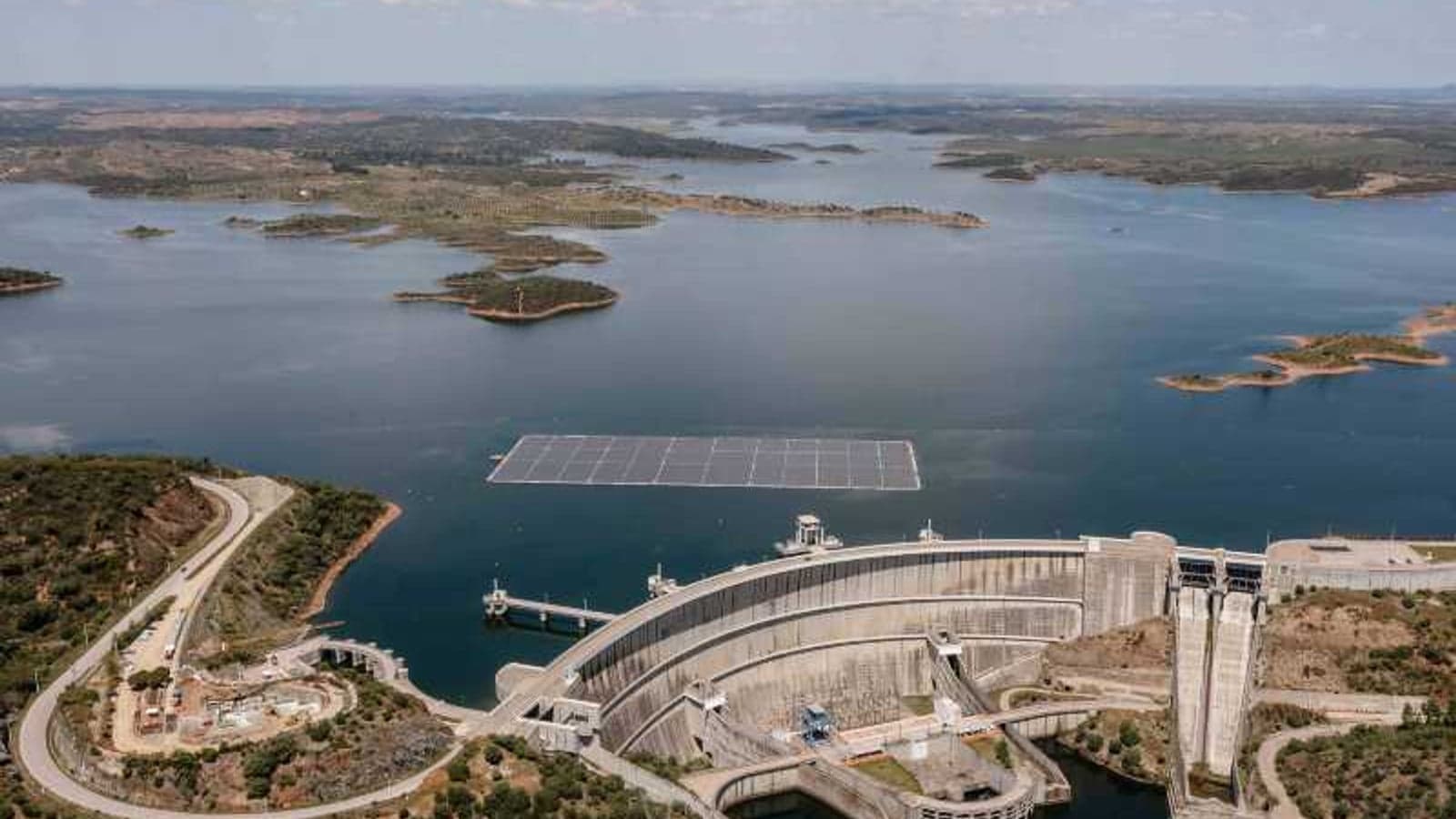
Portugal’s Alqueva floating solar farm receives EUSEW innovation award
The Kela Phase I Photovoltaic Power Station is the world’s largest and highest-altitude water-solar hybrid project, according to a release, with an average annual power generation of 2 billion kWh, which can save over 600,000 tonnes of standard coal and reduce carbon dioxide emissions by over 1.6 million tonnes per year.
Fu Gangfeng, chairman and party secretary of China’s State Development and Investment Corporation (SDIC), which owns Yalong River Basin Hydropower Development, said the construction of the integrated demonstration base is a microcosm of the energy industry’s implementation of Xi Jinping’s new era of socialism with important measures for decision-making and deployment, ensuring safe and stable energy supply, and promoting green and low-carbon energy development.
On 8 July 8 2022, construction of the first phase of the Kela photovoltaic power station started. The first phase is connected to the main grid of Sichuan and will generate electricity during the summer peak.
Yalong River Hydropower is accelerating the construction of a water-solar integration demonstration base in the Yalong River Basin. The world’s largest hybrid storage “charging treasure,” Lianghekou Hybrid Storage, has started construction, and installed capacity of 1.17GW has been completed.
Also of interest
Hybrid renewable power plants won’t cure grid congestion – study
Thailand’s EGAT plans hybrid hydro-floating solar project
Water-solar complementarity means that photovoltaics are connected to hydropower stations, and the excellent regulation performance of hydropower can stabilize the fluctuation of photovoltaic output. Taking Kela Photovoltaic as an example, the photovoltaic output is high, the Lianghekou Hydropower Station reduces its output and stores water. Through adjustment of the hydropower station, the bundled water and light will output more stable electric energy, which is more conducive to the safe and stable operation of the power system. At the same time, by suppressing the fluctuation of photovoltaic output by water level, the grid can also accept more photovoltaics to be connected to the power system and absorb more new energy.
The Yalong River Basin is the main energy base of the national west-to-east power transmission strategy and an important energy base for Sichuan’s power supply guarantee. According to the integrated planning and research of renewable energy in the Yalong River Basin, the total scale of clean energy bases in the Yalong River Basin exceeds 100GW, including about 30GW of hydropower, over 60GW of wind power and solar photovoltaic power generation, and over 10GW of pumped storage power generation.
Originally published on hydroreview.com