Closer than ever to making fusion energy generation a reality – IAEA
Jonathan Spencer Jones
Posted on: 19 October 2023
When a reality| fusion will be a source of low carbon energy and can contribute to decarbonisation and diversification of energy generation| the IAEA states in its first World Fusion Outlook.
When a reality, fusion will be a source of low carbon energy and can contribute to decarbonisation and diversification of energy generation, the IAEA states in its first World Fusion Outlook.
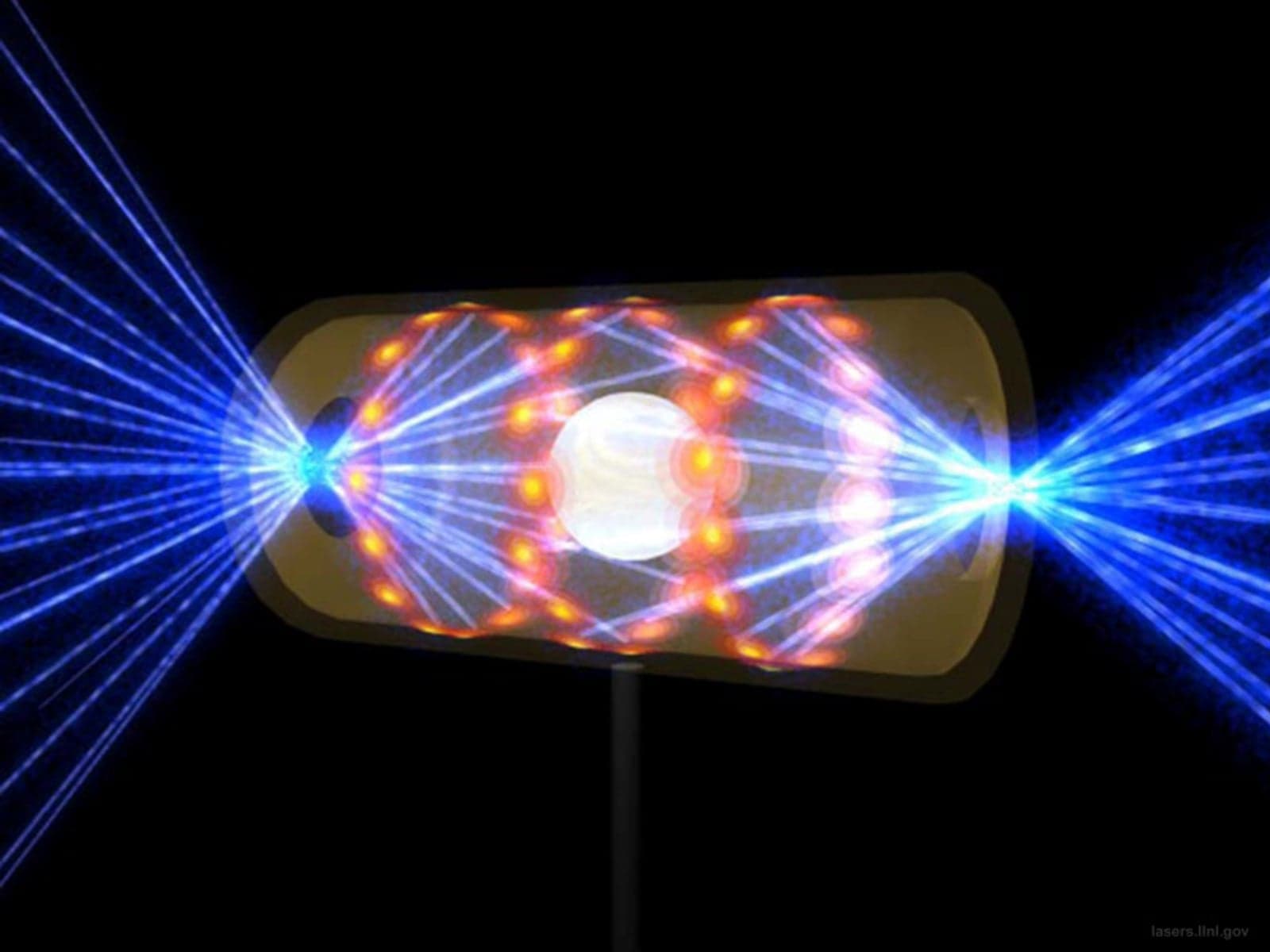
The Outlook, aimed as a global reference for information on fusion, highlights the heightened interest in fusion energy, driven by the growing concern over the impact of climate change and security of energy supply and recent scientific and technology breakthroughs, such as the National Ignition Facility’s December 2022 achievement of scientific energy gain, repeated in July 2023.
Some 43 private sector companies have been identified as involved in fusion research, more than half of them in the USA and others in Australia, Canada, China, France, Germany, Israel, Italy, Japan, New Zealand and the UK, with investments to date of $6.2 billion, the Fusion Industry Association has found.
The Outlook points to the vast majority of past fusion plasma experience from magnetic confinement in a tokamak design using deuterium–deuterium (D–D) fuel. However, to obtain viable fusion energy, deuterium–tritium (D–T) fuel is the most common choice for future fusion power plants and the majority of fusion development activities continue in variation of this design.
Have you read?
Launch of Net Zero Nuclear to target tripling of nuclear capacity
Why few EU countries generate nuclear energy
The development of commercially viable, controlled fusion power still faces a number of significant technological challenges, however.
Some are related to successfully generating a high temperature plasma at high density for long times, while others are related to sustainably securing D–T fuel, to minimising detrimental effects on materials by fusion reaction by-products and ultimately harnessing the immense energy released.
Turning to the legal aspects, the Outlook notes the absence of a specific international legal framework for fusion technology.
While the broad principles, obligations, requirements and related mechanisms of the existing international legal instruments for nuclear safety might apply to fusion energy systems, the existing key international legal instruments for nuclear security appear not to be applicable.
Fusion technology appears to present an opportunity to integrate relevant principles and lessons of the existing fission-based legal frameworks, as appropriate, while tailoring them to the specific characteristics and risks associated with fusion.
Ultimately, it will be for the parties to the relevant international legal instruments to interpret their applicability to fusion related facilities and activities and decide what changes, if any, are needed to address fusion technology.
How long it will take for the successful implementation of fusion energy will depend on how fast the industry is able to develop, validate and qualify emerging fusion technologies as well as establish in parallel the necessary nuclear infrastructure, including relevant requirements, standards and good practices, the Outlook states.
IAEA fusion initiatives
Announcing that the IAEA is stepping up its support to member states by accelerating the research and development of fusion energy generation, Rafael Mariano Grossi, director general, writes in the foreword: “International collaboration is vital to achieving this grand engineering challenge of the twenty-first century.
“The IAEA will continue to work together with countries, other organisations and the fast growing fusion industry across the globe to tackle the scientific and technological challenges and help deliver the talent pipeline, nurture the supply chain, establish best knowledge management practices and engage with the public to make fusion energy a reality.”
At the launch of the publication, Grossi also announced the first steps in this direction, with one the convening of a World Fusion Energy Group, bringing together scientists and engineers from laboratories and experimental centres, policy makers, financiers, regulators and private companies.
Its aim is to enable stakeholders to keep pace with development towards demonstration and eventual fusion energy production.
The other is for the IAEA to work with fusion experts to outline 'Fusion Key Elements' such as fusion-related definitions, characteristics and criteria for fusion energy to help develop common understanding among stakeholders.
The Fusion Key Elements are expected to be identified in time for the inaugural gathering of the World Fusion Energy Group in 2024.