Home
/
Decarbonisation, energy efficiency and the built environment: How DigiBUILD can lead the transformation with AI
Decarbonisation, energy efficiency and the built environment: How DigiBUILD can lead the transformation with AI
Guest/partner contributor
Posted on: 24 February 2025
The DigiBUILD project is providing high quality AI-based data services that unlock new potential to develop a smarter, more sustainable built environment.
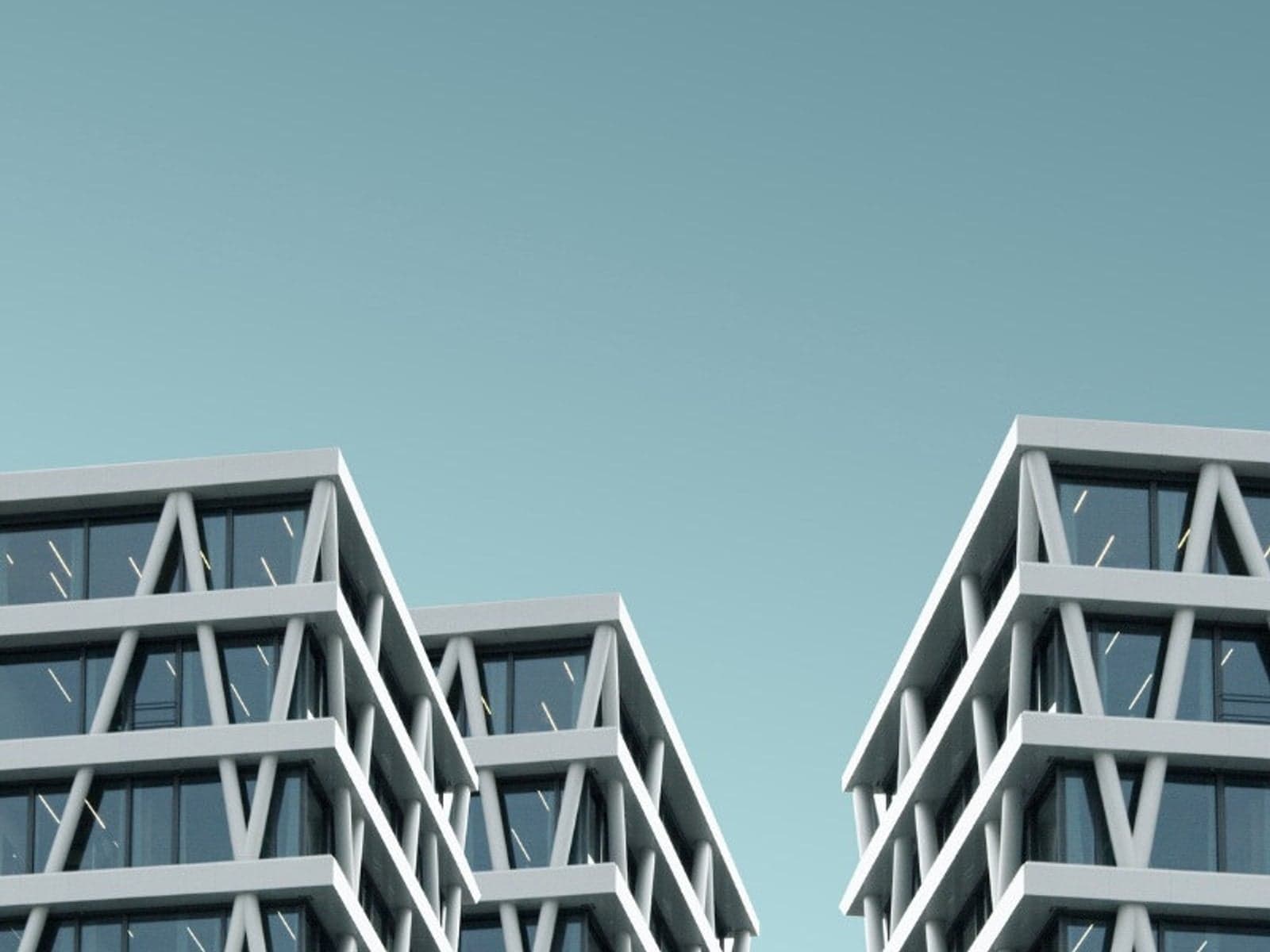
The DigiBUILD project is providing high quality AI-based data services that unlock new potential to develop a smarter, more sustainable built environment.
The world’s response to climate change requires a quick move towards a decarbonised, energy efficient built environment.
The buildings sector is responsible for nearly 40% of total energy use and 36% of greenhouse gas emissions in the European Union.
As member states work towards carbon neutrality in 2050, it is crucial to adopt new methods that combine AI with digitalisation to revolutionise energy efficiency in our buildings.
DigiBUILD is a key initiative under Horizon Europe that seeks to enable this revolution to happen.
Decarbonisation refers to the reduction of carbon emissions generated by energy systems, industrial processes and buildings. The built environment is a crucial sector in this effort, owing to its high contribution to energy consumption and emissions.
Despite advances brought about by policies such as the EU’s Energy Performance of Buildings Directive, challenges continue to hinder the transition to climate-neutral building stock.
Some of these challenges include:
● Disjointed data silos between actors that hinder efficient decision-making.
● Lack of interoperability across different digital building solutions, limiting integration.
● Inconsistent monitoring of energy performance that results in inefficiencies.
● Difficulty with coordinating long-term renovation strategies with instant feedback on building performance.
Role of DigiBUILD AI services in enhancing energy efficiency
DigiBUILD AI services present transformative potential to help buildings become more energy efficient using a range of cutting edge innovations:
● Predictive analytics equips AI models to anticipate energy use patterns to enable predictive energy management.
● Automated performance monitoring leverages advanced algorithms that constantly monitor and calibrate energy efficiency.
● Fault detection and diagnostics allow AI-based diagnosis to detect areas of inefficiency in HVAC systems, lighting and insulation.
● Optimised renewable integration and management equips AI to synchronise renewable energy sources with demand-side management.
● Grid interaction for clean energy use allows AI to recommend when buildings take power from the grid to ensure that energy use coincides with periods of high renewable energy supply, reducing reliance on fossil fuels.
DigiBUILD is set to deploy its AI-driven solutions across 10 real world environments, ensuring robust validation and impactful outcomes.
The expected benefits include:
● Up to 30% reduction in energy consumption through data-driven insights.
● Significant cost savings for building operators and tenants through predictive energy management.
● Enhanced market confidence in energy efficient building investments.
● Acceleration of smart building adoption in both urban and rural settings.
● Greater use of renewable energy through AI-optimised resource management models, reducing dependency on fossil fuels.
Decarbonisation and energy efficiency in buildings are key levers to achieving a sustainable tomorrow.
With its high quality, AI-based, data oriented approach, DigiBUILD is set to lead this revolution in designing interoperable, transparent and intelligent building systems.
By incorporating predictive analysis, enabling grid interaction, and using different AI-based energy resource management models via digital twins, DigiBUILD is building a toolkit that lays an enhanced data-driven path to carbon-neutral buildings.
For more, visit the project website, X and Linkedin.
Authors: Efstathios Stamatopoulos and Elissaios Sarmas, National Technical University of Athens, Energy Policy Unit.
Funded by the European Union. Views and opinions expressed are however those of the authors only and do not necessarily reflect those of the European Union or the European Climate, Infrastructure and Environment Executive Agency (CINEA). Neither the European Union nor the granting authority can be held responsible for them.

Related tags
Latest content
+3
The EU Energy Projects Podcast: Green buildings and neighbourhoods with project PROBONO
In this episode of The List Podcast, Areti delves into the world of green buildings and neighborhoods with the PROBONO project, exploring the challenges and opportunities presented by this crucial transition.
- Enlit Editorial Team
- 28/02/2024