Home
/
Demand-side flexibility and system efficiency paramount for net zero goals - SmartEn boss
Demand-side flexibility and system efficiency paramount for net zero goals - SmartEn boss
Yusuf Latief
Posted on: 27 October 2022
Michael Villa discusses how benefits of demand side flexibility need to be recognised for the energy transition to proceed as smoothly as possible.
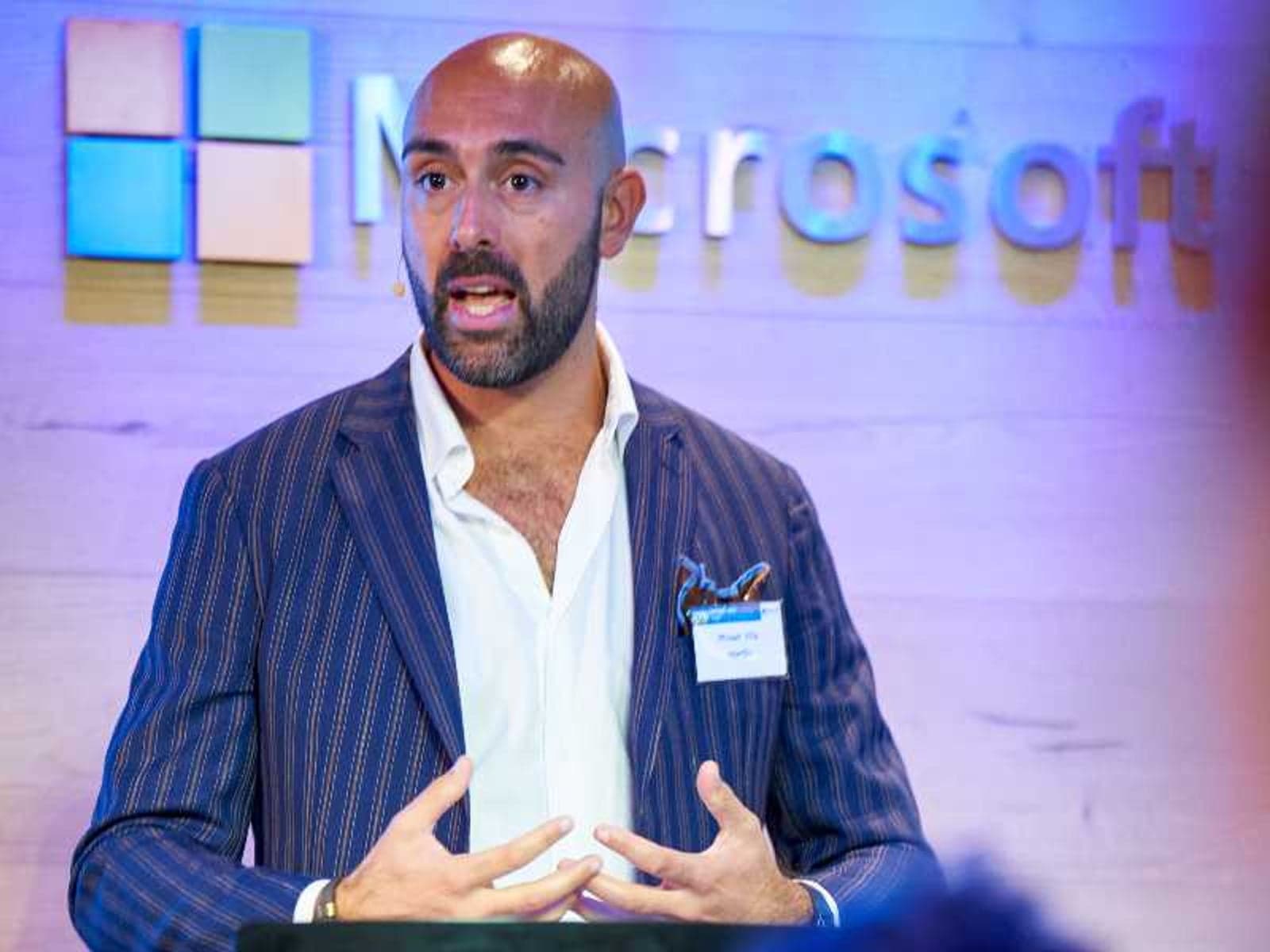
Michael Villa, Executive Director of SmartEn (Smart Energy Europe), discusses how the benefits of demand-side flexibility need to be more readily recognised for the energy transition to proceed as smoothly and efficiently as it possibly can.
Why is flexibility gaining new relevance as a concept in the energy transition?
We are going through a shift towards a renewable base system and we need to accommodate this with new flexible resources, including from the demand side.
System flexibility will increase by four times in 2050, according to calculations from the International Energy Agency.
What's needed is the stimulation and activation of more short term, behind the meter, distributed flexible resources on the demand side. And this is where demand-side flexibility comes in and starts to gain more prominence and relevance at system level.
Those who can provide these resources - these flexible end users - will help manage more variability in the energy system that results from integrating variable renewable sources.
What are the key technologies needed to enable flexibility?
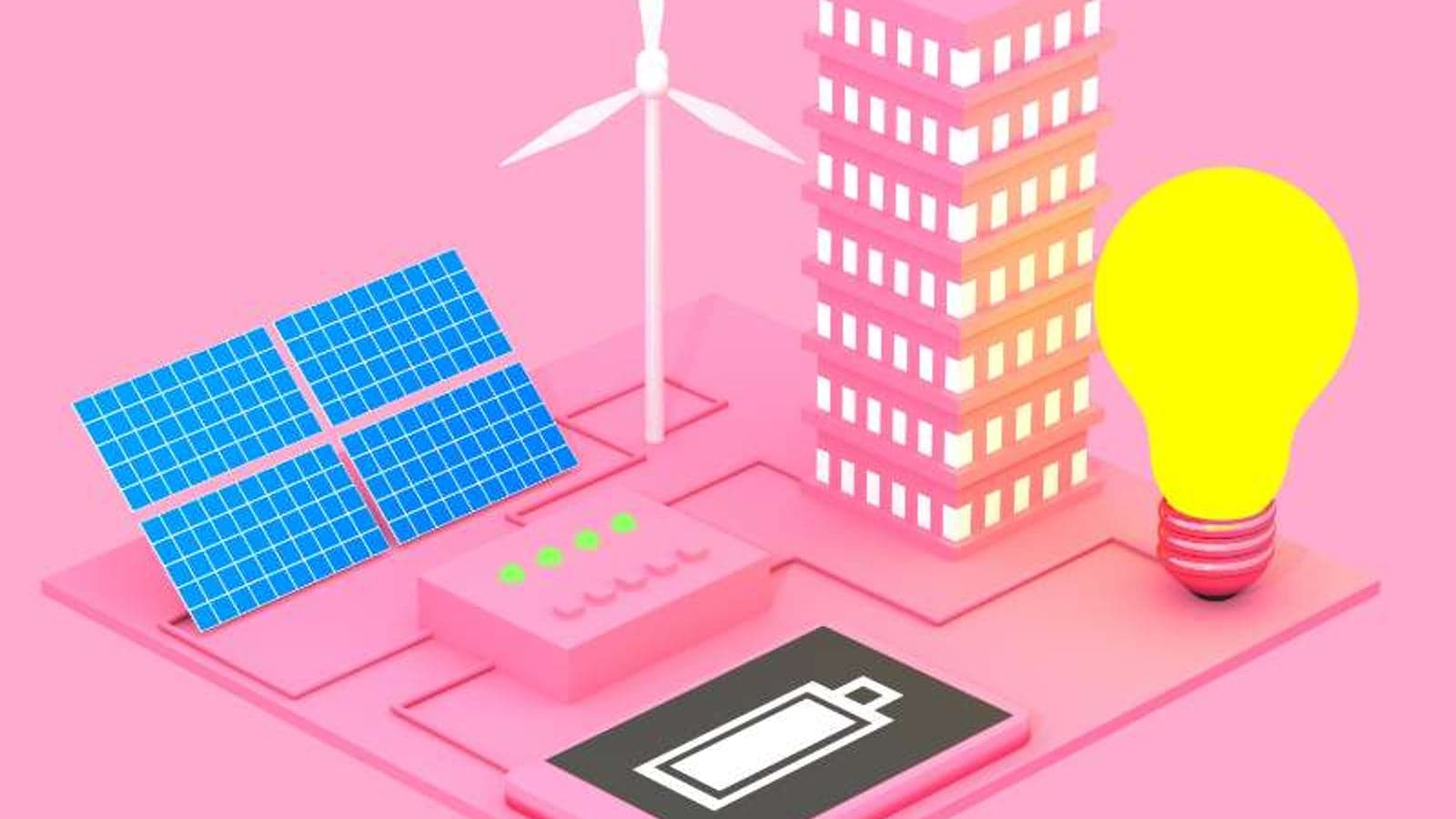
Smart decentralised energy resources. And this can refer to a variety of different assets:
- Demand management systems
- Energy storage devices, which can include home storage assets or even vehicle to grid technologies, like batteries on wheels
- Distributed renewable generation
- Systems that connect different assets in the local community
The combination of these DERs (Distributed Energy Resources) will increase the demand-side flexibility potential of end users.
The activation of this distributed flexible capacity would increase the efficiency of the energy system. And while their flexibility will benefit owners of these assets, the main contribution from each will be at the system level.
By unleashing their flexibility they will help to integrate, in a cost-effective way, more variable renewables. Through this renewables curtailment or grid infrastructure, reinforcements will be alleviated and avoided.
To reiterate: at the European Union level, the rules and principles have been set, but they have not yet been implemented...
What are the roles of prosumers and energy communities within this equation?
Prosumers and local energy communities will upset price spikes.
Consumers will increase their individual and collective consumption and sufficiency. And as they do this, they can simultaneously make an impact on energy system efficiency through their own flexibility. There are a few figures to complement this notion.
At SmartEn, we have calculated the benefits of demand side flexibility in the EU in 2030, following the activation of demand side flexible capacity from active consumers, prosumers and energy communities.w
We calculated, together with an independent consultant from DNV, that between €10 billion ($9.9 billion) and €30 billion ($29.7 billion) could be saved in distribution grid investment if flexibility is activated.
There would also be a reduction of between 44% and 63% in European balancing costs that will save in up to €670 million ($662.6 million) annually. It will also help to reduce 15.5TWh of renewables curtailment.
What also helps place this in perspective are the figures for gas cost reduction. In 2023, if demand side flexibility is activated, we will save €16 billion ($15.9 billion) in total gas costs. After a few years, this figure would nearly double to €31 billion ($30.9 billion).
And all of this would be saved as the result of flexible adjustment and adaptation, relying on active consumers, prosumers and local energy communities.
Is enough catered by policy to allow flexibility markets to reach their full potential?
No. And we have monitored this.
In March, we issued our monitoring on how European rules - that have already been set by 2019’s electricity market design - have not been implemented or have been implemented very weakly across the EU.
To reiterate: at the European Union level, the rules and principles have been set, but they have not yet been implemented across all European countries.
But now we have a stimulus; the 5% peak electricity demand reduction obligation that each member state needs to set up from the first of December, 2022. We believe this will be a stimulus to eliminate existing barriers.
This is an obligation, but how do we monitor to ensure countries follow through?
This is what we are currently engaging at SmartEn.
We are identifying four alternative implementing methods that we would suggest in a guidelines format to member states, which will be available in early November. This will allow us to identify obligated parties that are accountable for reaching these targets by sending signals to consumers and incentivising them to activate flexibility.
And what’s important to note is that everything is, again, related to the implementation of the electricity market design of 2019. And this 5% will be a stimulus to implement debt measures that will eliminate barriers and set the enabling framework for consumers to receive signals and thus be renumerated.
Between €10 billion and €30 billion could be saved in distribution grid investment if flexibility is activated.
You’re clearly passionate about this field. What triggered this and what motivates you?
The fact that all of this is a way to empower consumers and support the changing role that everyone, from individual households to large consumers, will need to play in achieving climate neutrality.
It’s about fostering more active participation from all sides and really supporting the transition by transforming consumers, who were previously passive victims of geopolitics, into key drivers.
We are pushing for this with our work and supporting this transition, which combines this consumer centric evolution alongside digitalisation.
And at the end of the day that’s what it’s about: the combination of the green and digital transition into an affordable, secure and reliable clean energy transition.
When you think of the energy market, what keeps you up at night?
The rising energy pricing that might undermine the social support for the clean energy transition. We must avoid a return of the gilet jaune [yellow vests] movement or similar initiatives.
This is the challenge we face at SmartEn: to convince policymakers to set up rules to empower consumers of all types, from households to large industries, to become active in the clean energy transition. High energy prices should be an opportunity to fully embrace this evolution instead of an obstacle.
Michael Villa is speaking at Enlit Europe in Frankfurt (29 Nov - 1 Dec).
Register for the event to attend his session on system efficiency and an interactive think tank.