Denmark's energy islands - 'The Mars Mission of the energy system'
Pamela Largue
Posted on: 20 April 2023
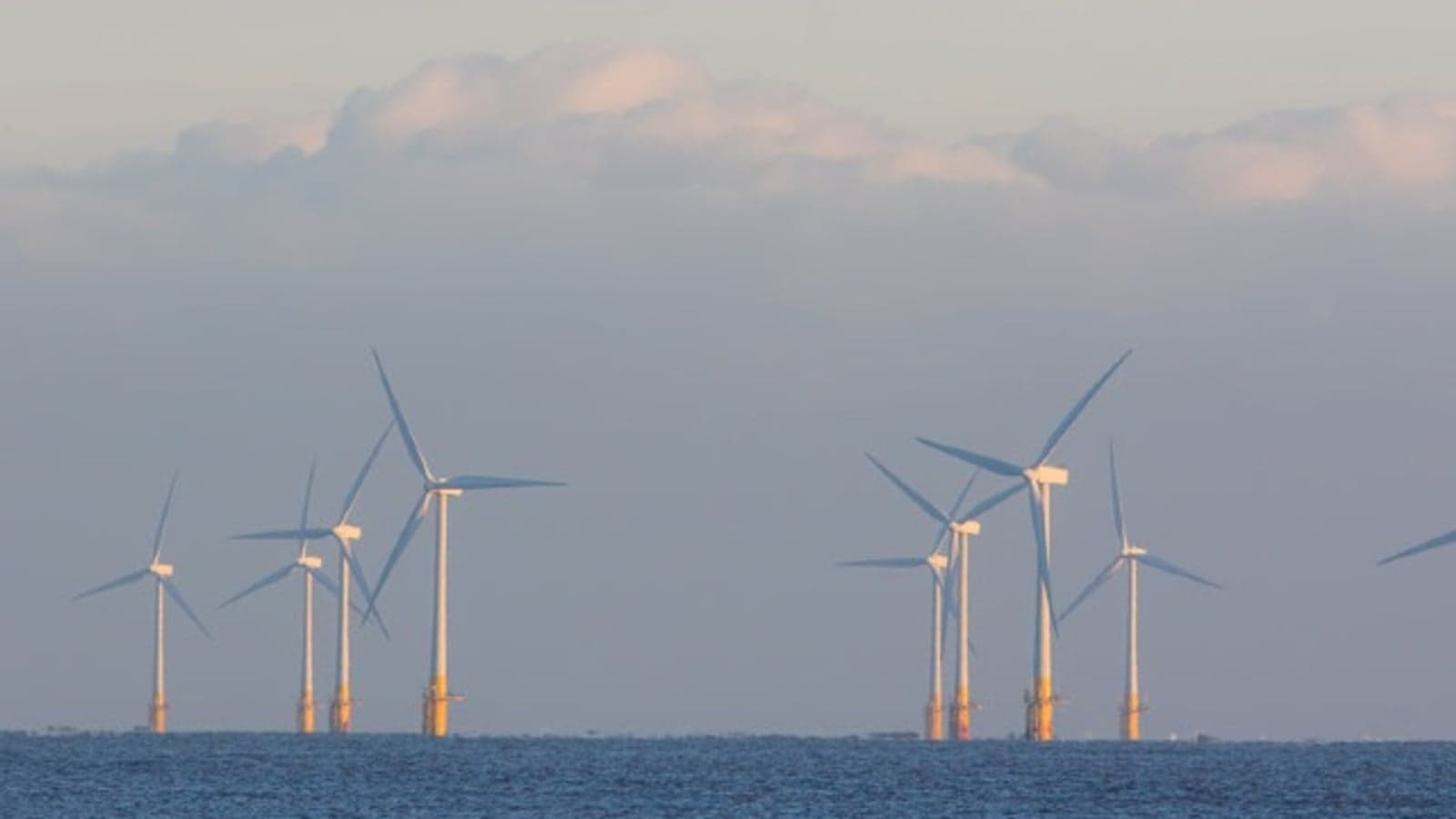
Denmark’s energy islands are at the forefront of innovation| combining scientific advancement and real world application.
Denmark’s energy islands are at the forefront of innovation, combining scientific advancement and real world application. These green power plants at sea will drive the phase-out of fossil fuels and allow countries to maximise the vast offshore wind potential in the region.
"This is the Mars mission of the energy system...it's really challenging us but we will definitely learn a lot..."
These were the words of Jacob Østergaard, Professor and Head of Division, Department of Wind and Energy Systems at the Technical University of Denmark.
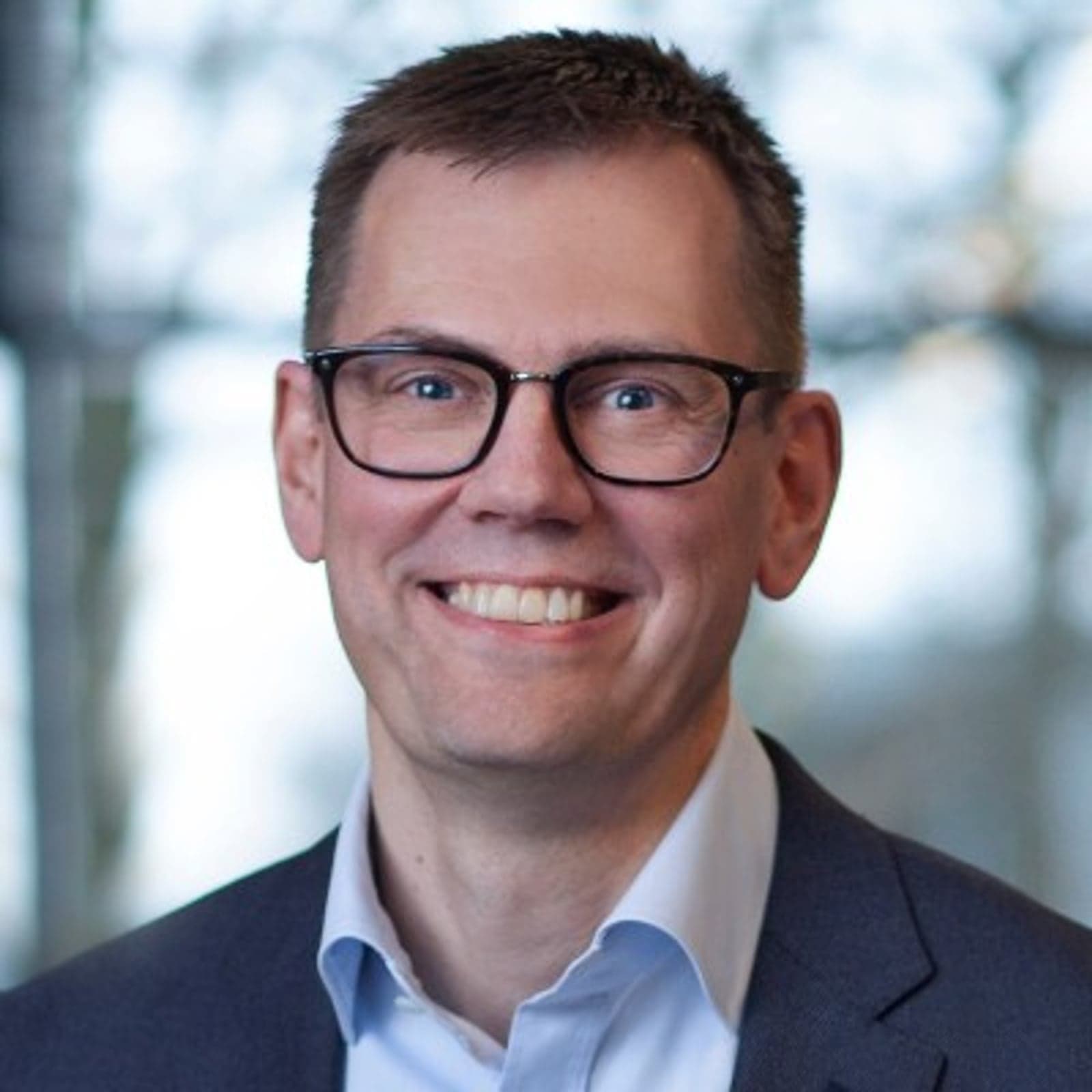
"It's extremely exciting...A lot of the research we are doing we do in collaboration with industry and apply it on real stuff in the world...[It's] large-scale energy experiments on our energy system," said Østergaard.
What is an energy island?
Besides being a cutting-edge and innovative energy experiment, Østergaard explains the concept of an energy island as a cost-efficient way to harvest wind energy far from shore.
It consists of a hub surrounded by wind parks. The hub collects the wind and sends the energy to nearby countries through large cables.
The island hub allows for energy exchange between countries and system balancing and provides the vast amount of renewable energy needed for a successful green transition, explained Østergaard.
"We need to electrify as much as possible...and where we can't electrify, we need artificial green fuels which require a lot of electricity," said Østergaard.
Have you read?
Tennet awards contracts to connect 22GW offshore capacity
Cable laying operations complete for Ibiza-Formentera interconnector
He explains that because land use is restricted due to space, we need to use offshore wind potential.
And there is no shortage of wind potential.
The North Sea has 180GW of wind potential, sufficient to supply most of northern Europe, according to Østergaard, and in the Baltic Sea there is more than 90GW potential.
"If Europe is to succeed with the green transition, we need to utilise these potentials. This means we need to go far from shore to get the wind power."
"Energy islands is the solution to do that."
Denmark's upcoming energy island projects
Østergaard spoke of Denmark's two key projects.
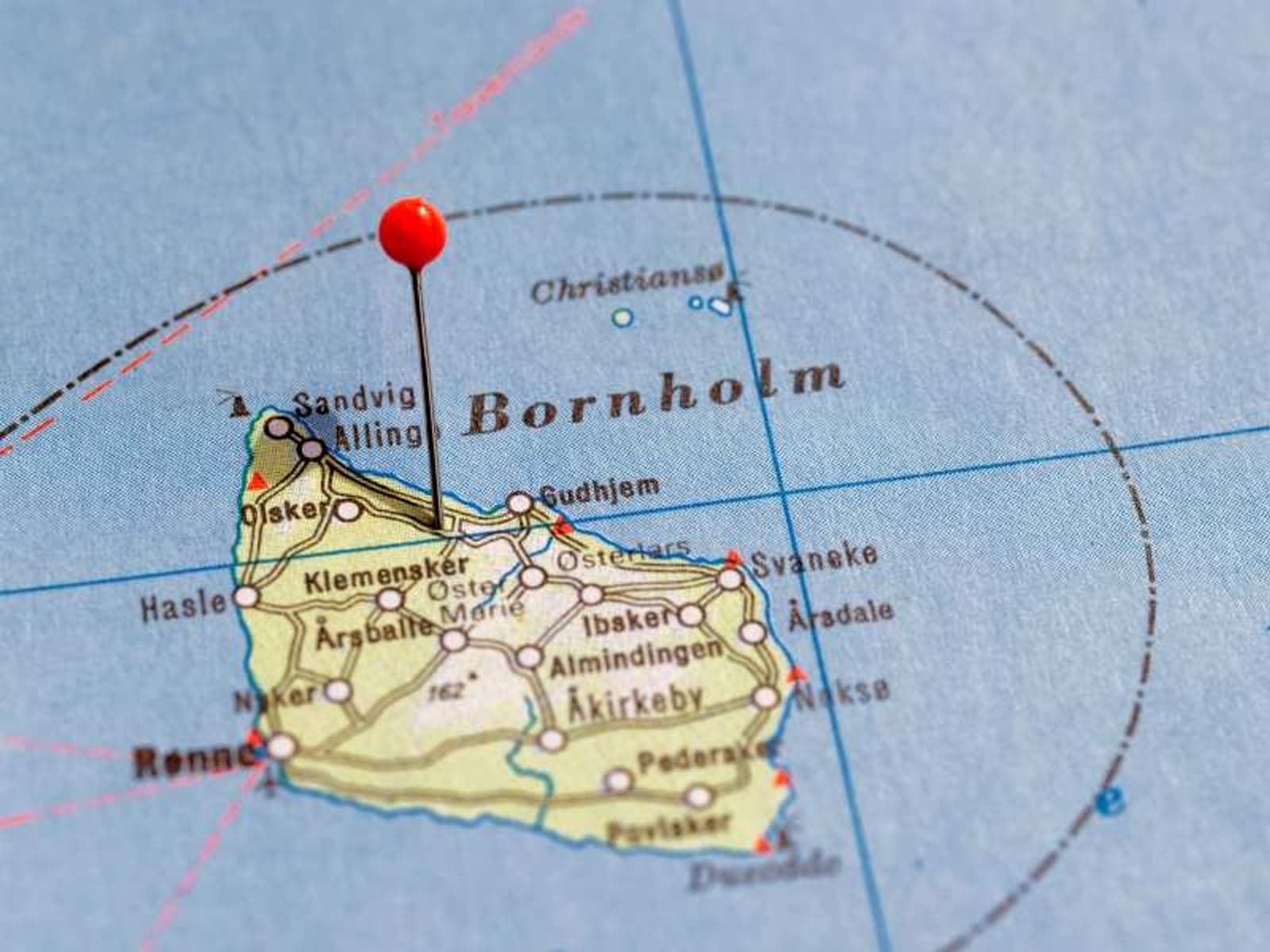
In the Baltic Sea, the Bornholm project is an existing island with 40,000 people currently living on the island. A small corner of the island will be used for a 2GW hub, later to be extended to 3GW with cables to Germany and Denmark as a starting point.
In the North Sea, there is no island yet. According to Østergaard, an artificial island will be built that will act as a hub to collect wind energy. It will start with a 3GW capacity to be extended after the first phase to 10GW - the optimal size of an energy island, said Østergaard.
"[It's] a massive effort to establish these islands.
"It sounds massive and it is massive to host a capacity of 3GW. The island has to be the size of 18 soccer fields and when we extend to 10GW, it will be more like 60 soccer fields, especially with electrolysers if we start to produce green hydrogen."
And Østergaard made it clear that this is not the biggest part of the investment.
"The really big investment is in the huge turbines to be put up and the electrical infrastructure. The island is only a percent of the total investment. This is something we haven't seen before in size and complexity."
Innovation at the heart of the project
Østergaard emphasised that for scientists such as himself, it is exciting to contribute new ideas to make energy islands cost-effective, stable, reliable and safe - the focus of his current research.
"We are pursuing many ideas...trying to pick the lowest hanging fruits."
One such idea to make energy islands more cost-effective, said Østergaard, involves changing the actual wind turbine.
How design innovation adds ‘STEAM’ to Denmark’s energy transition
He explained that current wind turbines are connected to the grid on land, requiring turbines to fulfill many electrical requirements to be connected to the grid. Wind turbines for energy islands will be connected to the grid via the energy island. High voltage direct current connections will then transport the energy from the island to the mainland. This DC connection will separate the two systems so the system on the island will be an isolated AC system where the same requirements won't need to be fulfilled as would be the case on land.
"This would allow us to make more simple turbines if we relax some of the requirements for electrical performance. We need to make sure the connection points to the mainland fulfill the requirements. By shifting the requirements to the mainland, we can make a substantial saving we believe".
It's not only the turbine technology that could progress. Energy islands, because of their complex nature, are ultimately spurring the development of several new technologies and optimisation of systems.
Østergaard explained that the energy system on the island is unique as there are no conventional power plants on land to stabilise the system. "So we need to control the system on the island in a completely new way".
Site visit: Europe’s biggest offshore wind port
The islands will use power electronics with large high-voltage connections to shore. This means every millisecond must be controlled, said Østergaard. "You have to continuously control the system in a different way from what we're used to."
"...This will be a great training place for the changes coming to our main grid".
What's next?
Østergaard said that the grid will be able to absorb the first step in energy island development. However, in order to harvest as much offshore potential as possible, many islands will be required covering the North Sea and beyond.
"We will gradually build an offshore grid connecting these hubs with offshore cables and infrastructure in between."
In order to make that vision a reality, however, there are some variables that need to be in place. Østergaard emphasised the need for a regulatory framework that facilitates this development and pushes the boundaries to speed up the energy transition.
Coordinated efforts are also critical, explained Østergaard, as this is a common or shared infrastructure being developed to benefit several countries.
Despite the mammoth task that lies ahead, Østergaard is optimistic about the projects and the promise they hold for the future energy system.
"I look forward to the work on Bornholm...we intend to use Bornholm as a learning place and testing place for new energy island technologies and solutions".
Østergaard concludes by mentioning just a few of the plans that excite him the most, including the development of a digital twin, a residential hub to accommodate students and researchers, and the transformation of a 100-year-old power plant into an innovation hub of the future.
Indeed exciting times ahead for Denmark's energy islands and the teams bringing them to life.
Listen to the Energy Transitions podcast episode for more about the innovation and passion driving Denmark's energy island projects.