Partner content
DER integration with edge-cloud platform benefits
Jonathan Spencer Jones
Posted on: 11 November 2025
As utilities and OEMs seek to install, connect and orchestrate prosumer distributed energy resources, edge-cloud architectures are emerging as a key enabler.
One of the most significant features of the energy transition is the opportunity for consumers to install distributed energy resources and become prosumers as active players in the system.
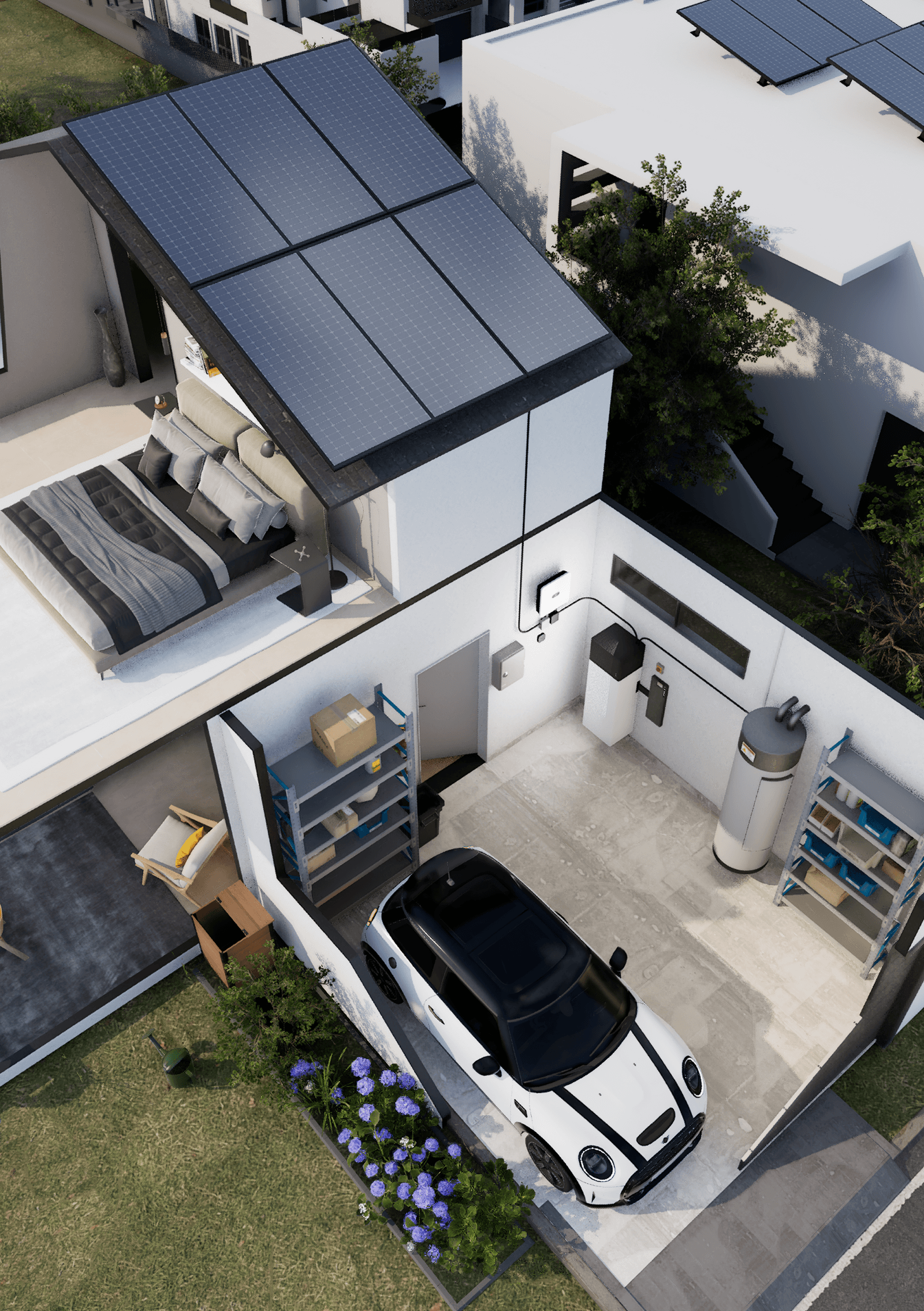
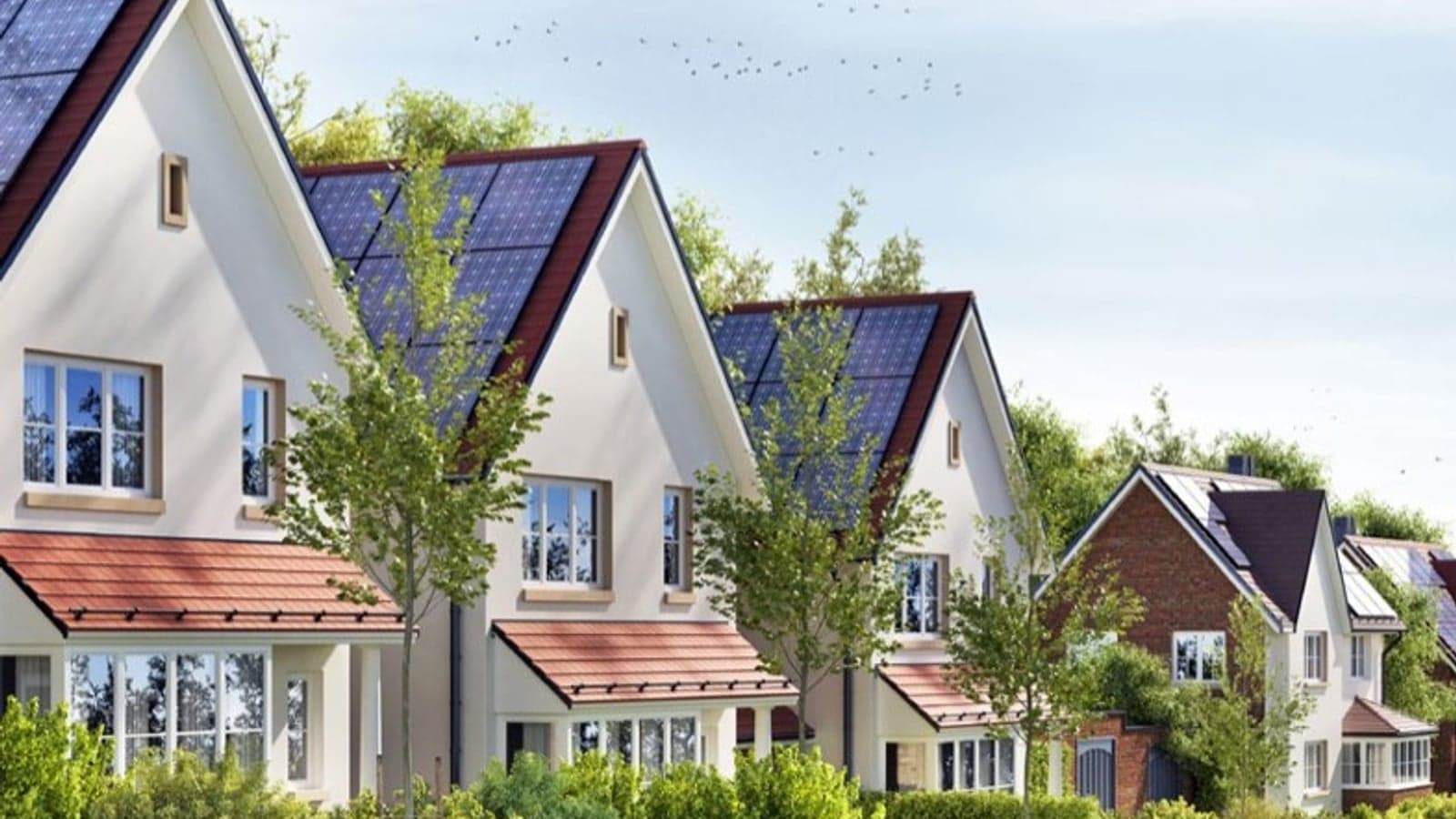
Distributed energy resources such as solar PV, batteries, electric vehicles and heat pumps are turning homes into decentralised energy hubs that can deliver flexibility to the grid.
However, despite much progress and the prospect of an estimated €50+ billion annual market by 2030 in Europe, it is apparent that utilities and OEMs still face challenges in installing, connecting and controlling these assets.
So how can energy players move from scattered and complex installations to simple, intelligent and orchestrated home systems?
What’s at stake
With a consumer DER market of this scale, with estimated annual installations of more than 3 million PV systems, 1.5 million energy storage units and 6 million heat pumps, there is clear value in tackling this opportunity, both for market players and for the consumers themselves.
For example, utilities and OEMs can benefit from accelerated DER asset sales, new service-based revenues, e.g. for optimisation, monitoring and maintenance, and speedier progress towards net zero targets.
For EPCs and integrators, there will be faster technology deployment and fewer post-sale issues.
Households will benefit from the convenience of curated technology offers and the higher levels of self-sufficiency and lower energy bills that will result.
“Capturing this value turns residential electrification from a hardware race into a data-driven, service-led opportunity,” says José Dias, Product Manager at Portuguese energy solution provider Smart Energy Lab.
Why integration remains tricky
Dias explains that multiple pain points are blocking the wider adoption of DERs.
Among these are installation barriers, such as the physical site conditions, which complicate multi-asset integration and raise costs.
There are also restricted OEM interfaces, with proprietary APIs limiting access and control, and multi-asset interoperability hurdles, particularly when legacy equipment without open or even any protocols must coexist with new smart and connected assets.
There is regulatory fragmentation, with varying national rules slowing standardisation and deployment, and untapped flexibility potential, due to lack of efficient optimisation algorithms, that leave significant savings and revenue opportunities unrealised.
Role of new edge-cloud architectures
Dias continues that new hybrid platforms can accelerate the development of innovative energy management use cases for the energy transition, merging data and energy flows to embed intelligence and control, while solving multiple practical implementation challenges.
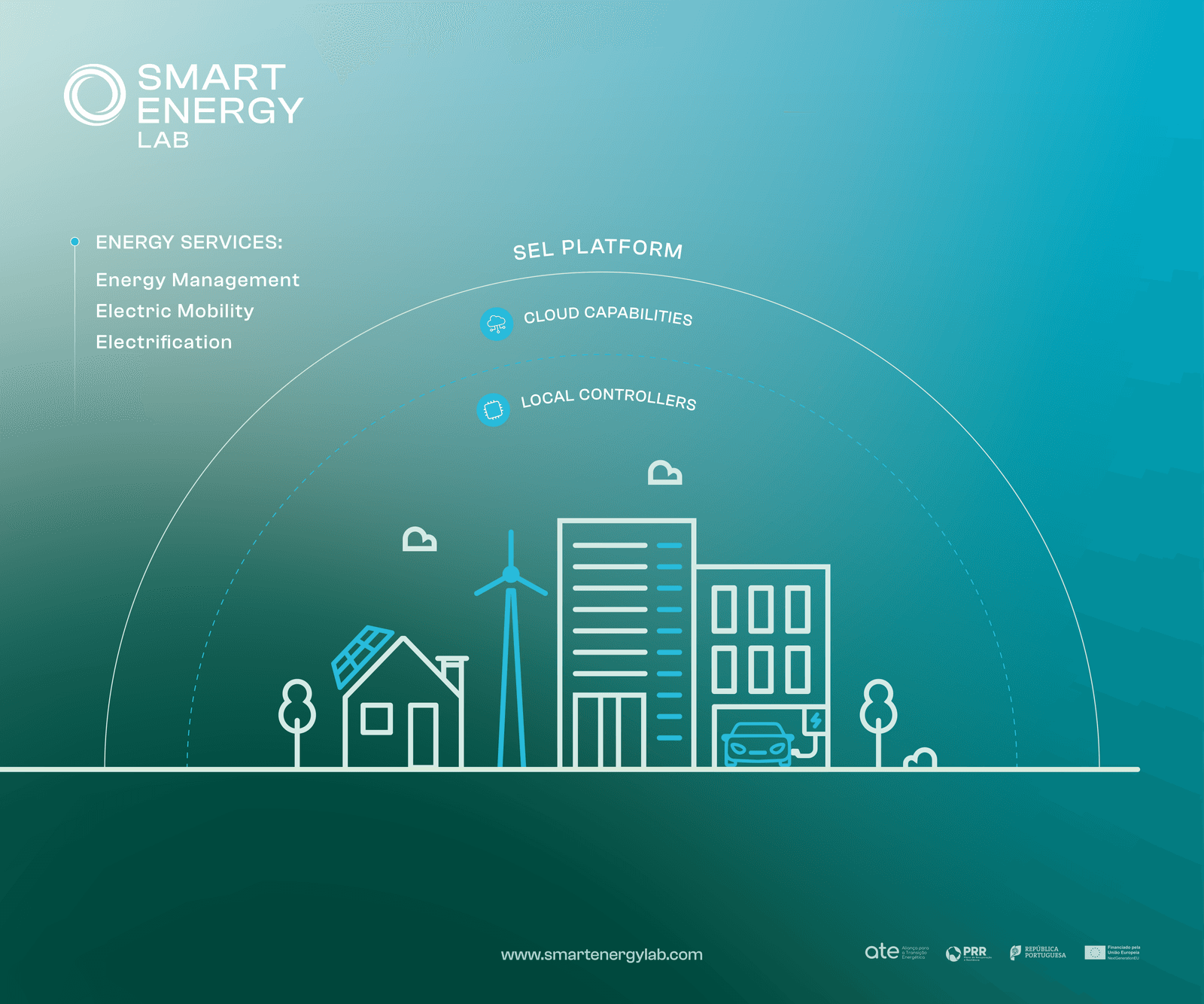
Technologies behind these edge-cloud platforms include digital features such as tailormade use cases, IoT 3rd party integrations, energy management algorithms, tariff arbitrage and self-surplus optimisation among others. Cybersecurity, GDPR and local standards compliance are some of its baseline features.
At the local level, these are complemented with local processors for real-time autonomous operation and embedded algorithms optimising power flows among the various DERs. This layer of local systems ensures reliable operation even in challenging conditions or during network outages.
“Platforms must dynamically combine local integrations for reliability and resilience with API-based cloud integrations for speed and scale,” says Dias.
“This flexible architecture allows utilities, OEMs and service providers to expand rapidly across regions or customer segments without redesigning core architectures.”
REEF Energy Management
The hybrid edge-cloud architecture that is the basis for Smart Energy Lab’s REEF solution leverages SEL platform technology, an energy management use case technical development suite.
REEF EM is designed to transform fragmented assets such as solar PV, batteries, EVs and heat pumps into unified, service-ready ecosystems by simplifying their orchestration, regardless of manufacturer.
Developed to tackle integration, communication and operational barriers with easy setup with a controller and single accessible operator portal, REEF enables local intelligence and cloud coordination to deliver proven results across three complementary solutions: ‘Connect’, ‘Easy Pairing’ and ‘Home Manager’, Dias comments.
With more than 1,000 REEF users, some key insights gleaned are as follows.
REEF Connect, designed for reliability at scale, has achieved >99 % uptime across an entire portfolio, with stable communication and remote visibility. It enables reduced support tickets and improves operational reliability and individual asset optimisation for utilities managing large DER fleets.
REEF Easy Pairing, designed to accelerate deployments, has delivered up to 10% increase in solar PV-battery sales and 20% faster installation workflows thanks to simplified non-wire inverter to meter setups and reduced technical restrictions.
REEF Home Manager, designed to deliver tangible value to end users, has delivered up to 10% energy bill savings through intelligent cloud optimisation and local control of flexible home assets.
Empowering the energy transition of European homes
As the energy transition deepens the home energy revolution is here – but the winners will be those who turn complexity into simplicity, integrating multi-brand assets under one intelligent control layer.
“Platforms like REEF Energy Management exemplify how edge-cloud architectures can transform business potential into operational reality,” says Dias.
“The future of energy isn’t just renewable – it’s flexible, with consumers in their homes and businesses at the forefront.”
Explore how Smart Energy Lab is enabling the next generation of connected energy homes.
Related tags
Latest content
+4
Enhancing energy management and planning through interoperability
The ELEXIA project is demonstrating digitised energy system integration across sectors enhancing flexibility and resilience towards an efficient, sustainable, cost-optimised, affordable, secure and stable energy supply.
- Guest/partner contributor
- 19/09/2025