Digital transformation: Turning policies into practice
Areti Ntaradimou
Posted on: 5 February 2025
Ray Pinto tells Areti Ntaradimou why energy sector digitalisation continues to be a hot topic in Brussels.
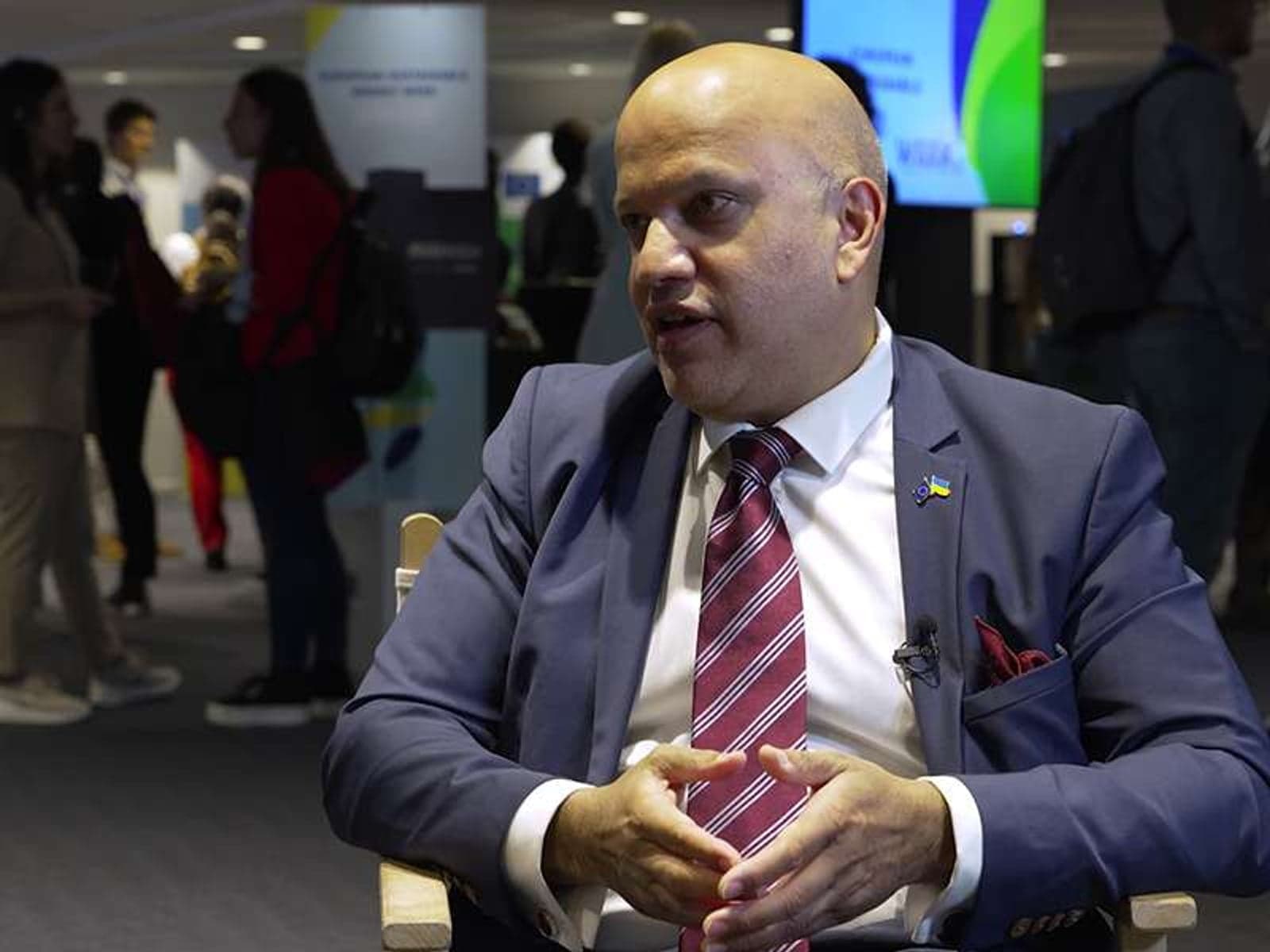
Ray Pinto tells Areti Ntaradimou why energy sector digitalisation continues to be a hot topic in Brussels.
As the Senior Director for Digital Transformation Policy at DIGITALEUROPE, the trade association representing the digital transformation of Europe’s industries, it is safe to say that Ray Pinto knows a thing or two about all things digital.
His primary focus is on steering digitalisation across various verticals, with particular emphasis on energy, healthcare, manufacturing, buildings and mobility. Pinto believes that these areas are intertwined and that energy is a pivotal factor in each one.
I talked to him about his goal of ensuring that this transformation not only drives innovation, but also aligns with European values and strategic priorities, and ultimately creates a cohesive digital ecosystem that supports growth, sustainability, and resilience across the continent.
Do you agree with the digital strategy that the EU Commission has adopted so far? Does it align with the strategic priorities for Europe and our European values?
There are parts of the digital strategy where the intentions were good, but the outcomes differed. When you consider AI, cybersecurity resilience, and data protection within the single market and internationally, the goal was to create harmonisation. However, the single market, especially digitally, is still highly fragmented. The digital single market doesn’t fully exist due to these barriers.
It seems like the Commission is attempting to harmonise things through the Digital Act. Are we close to achieving that?
We’re perhaps a step closer, but the problem is how regulations are defined. They’re meant to force harmonisation, which in theory is good, but in reality member states often negotiate and weaken regulations, leading to more barriers. For example, with the health data space, we’ve seen increased fragmentation and barriers postregulation. The same could happen in the energy sector if we’re not careful.
How does DIGITALEUROPE help steer things in the right direction?
One powerful role we play is bringing stakeholders together for crucial discussions. ‘Digital’ is a broad term, and few can define it clearly. In the energy context, it’s about taking the data generated from power production plants to consumers’ homes, and about requiring analytical power through AI to manage this data efficiently.
Have you read?
The good, the bad and the safety: AI and data in the energy sector
Dan Jørgensen takes up role as Europe’s new commissioner for energy
Are Italy’s renewable energy policies delaying development?
The grid’s readiness for this influx of data and energy, and the data itself, especially when coming from smart meters, are significant challenges. How do you address these?
I agree there are challenges, but I believe digital technologies will start modulating these demands on the grid. Technologies like AI are already reducing the energy required from the grid, even as the number of devices and users increases. This is driving efficiency across industries, which ultimately reduces the burden on the grid.
How secure is our digital transformation, especially with the war in Ukraine and the increased cyberattacks?
We need to be optimistic, but the enemy is also very advanced. Even before the current conflicts, we faced sophisticated cyber threats. As Europeans, we must continue investing in critical technologies like quantum computing to stay ahead. It’s a nonstop race.
What is the role of the private sector in this cybersecurity landscape?
Cybersecurity requires collaboration between the public and private sectors. Public funds need to be accessible, and private sectors need proper incentives. We also need a larger ecosystem that includes research institutes, academics, SMEs and startups, all working together.
Are we giving companies the right incentives to thrive in Europe?
Unfortunately, with the current digital rules, it seems like we might be pushing them away. However, we have a small window of opportunity to get these rules right and make Europe a more open and welcoming environment for innovation.
Are you optimistic that with the Green Deal, RePowerEU, the Digital Act and all other initiatives, we will achieve our goals by 2030 or 2050 while remaining competitive and true to our values?
I’m cautiously optimistic. The energy ecosystem in the EU is already ahead globally, and this is our race to lose. But the next mandate will be critical, and it’s not just up to the Commission; member states must cooperate, work together, and realise they cannot do it alone.