E.ON, EDF and Endesa earnings show impact of policy and pricing on bottom line
Yusuf Latief
Posted on: 28 February 2025
In the Power Playbook: European utility majors EDF, E.ON and Endesa are among the many who have released their results over the last two weeks.
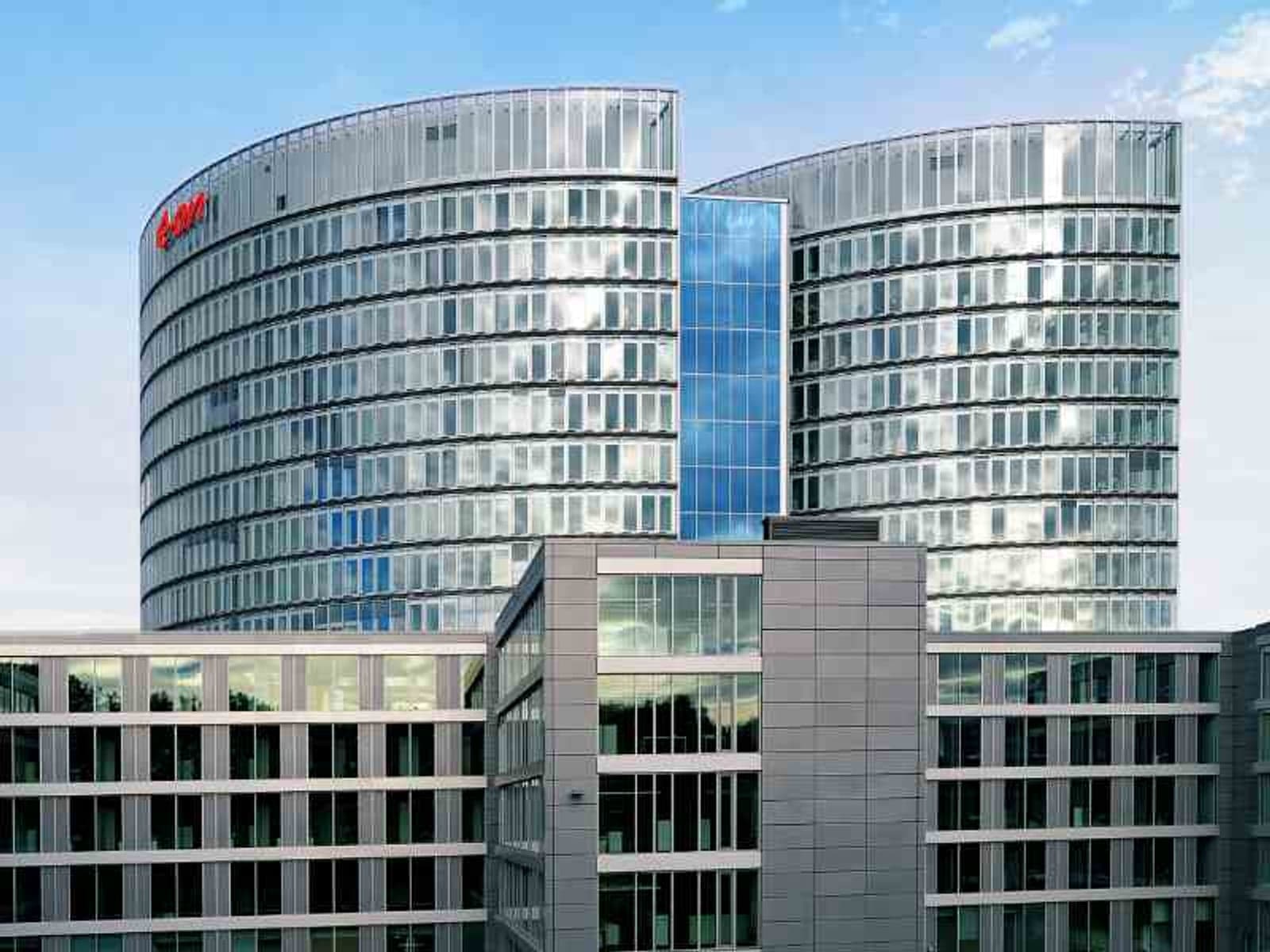
In the Power Playbook: European utility majors EDF, E.ON and Endesa are among the many who have released their earnings over the last two weeks. Their earnings demonstrate the potential impact of a shifting energy landscape.
It’s that time of year when operators review the year that was and release their results to the public, demonstrating their performance in the sector.
Three companies in particular stand out so far – Germany’s largest DSO E.ON, Spain’s largest DSO Endesa and French power company EDF – as their profits are being effected by changing power policy and investment landscapes, as well as falling power prices.
E.ON & Germany’s uncertain regulatory future
E.ON’s Group EBITDA came down to €9 billion ($9.4 billion) from €9.4 billion ($9.8 billion), although still hitting the upper range of its earnings guidance (€8.8 to €9 billion), with its networks business bringing in the highest performance at €6.9 billion ($7.2 billion), up by €300 million ($312 million) from the year prior.
E.ON – the largest operator of energy networks in Europe – said it would not raise investments in its next plan due to a lack of visibility on Germany’s future regulatory framework.
The company’s updated investment programme sees them plan to invest a total of €43 billion ($44.7 billion) in the energy transition for the period 2024 to 2028, of which €35 billion ($36.4 billion) will go toward network infrastructure.
The previous plan was for €42 billion ($43.7 billion), of which €34 billion ($35.4 billion) was to go towards the network.
The relatively minor increase is due to the faster depreciation of the gas network.
More from the Power Playbook:
Is Poland’s €1.8bn grid financing win a lighthouse for the EU?
EU vs US e-mobility: Policy shifts and moving markets
CEO Leonhard Birnbaum said in a release: “Like any company that operates sustainably…we never invest at any price.
“The prerequisite for this in Germany is a return on our network investments that‘s competitive by international standards. Whether this will be the case for the new electricity regulatory period starting in 2029 is not foreseeable for us today.
“Therefore, we have decided not to expand our investment programme for the time being and to stick to the period of 2024 to 2028 for our outlook.”
Endesa more than doubles profit
Enel-owned power company Endesa told investors yesterday that their net profit more than doubled in 2024, helped by the recovery in its gas business.
Specifically, net income came to €1.9 billion ($1.9 billion), up 2.5 times from the year prior. Results for the 2023 fiscal year came to €742 million ($770.7 million) after a supply contract dispute over LNG hit its profit, reported Reuters.
EBITDA came to €5.3 billion ($5.5 billion) for the company, up 40% from the previous year, with the highest performance again in its networks business, up from €1.7 billion ($1.8 billion) to €2 billion ($2.1 billion).
The company says it has the means to continue financing investments into the energy transition, dependent on a favourable policy environment; a timely statement as Europe’s Clean Industrial Plan dominates discourse regarding how Europe’s energy landscape is set to change.
EDF – a lowering power price environment
EDFs EBITDA fell to €36.5 billion ($38 billion) from €39.9 billion ($41.5 billion) the year prior, despite the company claiming very good operational performance reflected in substantially higher nuclear output in France, increasing by 41.3TWh, and hydropower output in Europe increasing by 12.7TWh.
Rather, the drop in EBITDA they say comes from falling power prices due to more renewable power reaching the power grid alongside lowering power demand.
The company’s outlook for 2025 is similarly negative, expected to retreat against this backdrop of falling prices.
E.ON, Endesa and EDF are each operating in very different environments, although a similarity can be seen – changing policy and pricing tides.
Germany’s new conservative government and currently unfavourable grid regulations mean potential changes in the country’s approach to its energy regulation while EDF’s falling EBITDA may signal a different strategy from the company on the road ahead.
What do you think? Will we see 2025 yield policy changes that positively impact the bottom lines of European energy companies? Will energy companies and utilities be agile enough to respond to the policy and pricing fluctuations?
Reach out and let me know your thoughts so that we can feature them on the Power Playbook.
Cheers,
Yusuf Latief
Content Producer
Smart Energy International

Follow me on LinkedIn