EU Energy Projects Podcast: How space data is advancing offshore wind in BLUE-X
Jonathan Spencer Jones
Posted on: 1 July 2026
The BLUE-X project is using space data to support the deployment of offshore wind and other 'blue' renewables.
A growing number of projects are drawing on space-based data, with its potential to deliver near real time mapping and monitoring of the Earth and support the development of more and more use cases.
One of the early projects is BLUE-X – the ‘Blue energy offshore installation accelerator’ – which is focussed on accelerating offshore renewable energy deployment.
“The idea is to bring together Earth observation data, high resolution environmental datasets and analytics into one web based decision support tool,” explains project manager Simone Zepp, project manager at EOMAP.
“This allows stakeholders to make informed decisions across the entire life cycle of offshore energy projects, from site selection all the way to decommissioning.”
With land area limitations and objections from citizens for nearby land-based renewables, the thinking behind the project was to support their expansion offshore, where the potential is significant and largely unexplored.
Specifically BLUE-X draws on the EU Space Agency’s Copernicus programme with its cluster of ‘Sentinel’ satellites, each designed to deliver specific data sets.
Among these BLUE-X is utilising data from its marine and climate services including wave and sea states, irradiance levels, oil spill detections and even phytoplankton levels, this latter as a proxy for fish and marine mammal population.
“With these, users can explore environmental conditions, run analyses like heat maps to support site selection, monitor trends and quickly access near-real-time and forecast information.”
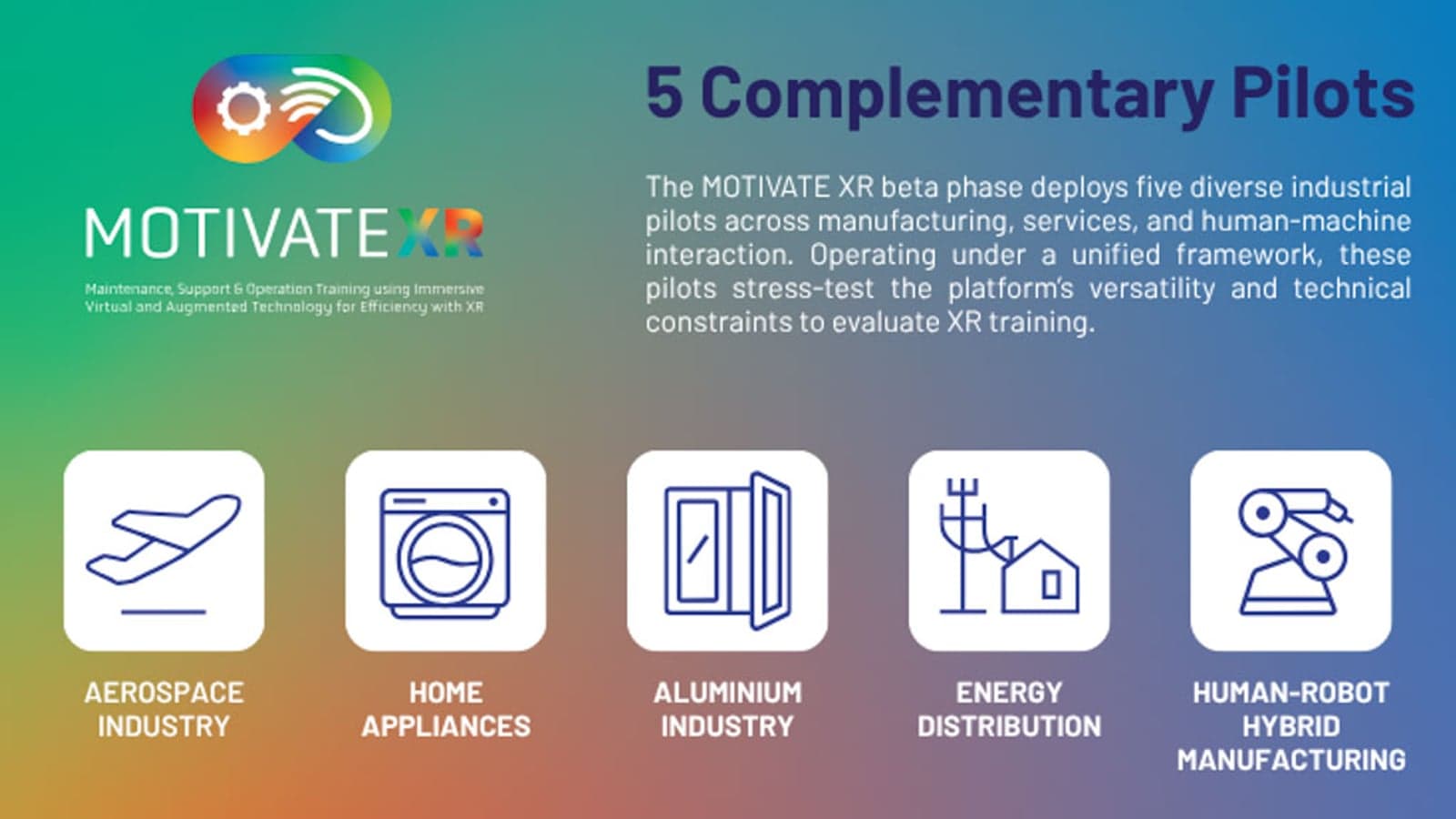
An additional component is extended reality (XR) with the combination of data, analytics and visualisation considered essential for managing the complexity of modern offshore projects across their lifecycle.
BLUE-X was launched in December 2023 and was due to end in May 2026 but has secured a four month extension which is enabling the platform features and data to be further refined.
As a Horizon Europe project, BLUE-X has obviously been developed around the Europe’s seas but Simone says that any area of the world could be integrated.
The intent is that once the initial product testing is completed, it will evolve into a long term operational and planning tool, potentially with new features and new datasets from the next generation of Sentinels as they are launched.
“Overall, Blue X makes it much easier to understand complex offshore environments, which ultimately helps reduce costs, save time, and improve decision making.”
LISTEN NOW
Listen to previous episodes
How space data is advancing the energy sector