Electrification hinges on doubling renewables says IRENA
Pamela Largue
Posted on: 15 July 2026
IRENA's latest report highlights the need for renewables to grow 2.5 times faster in order to meet global electrification targets.
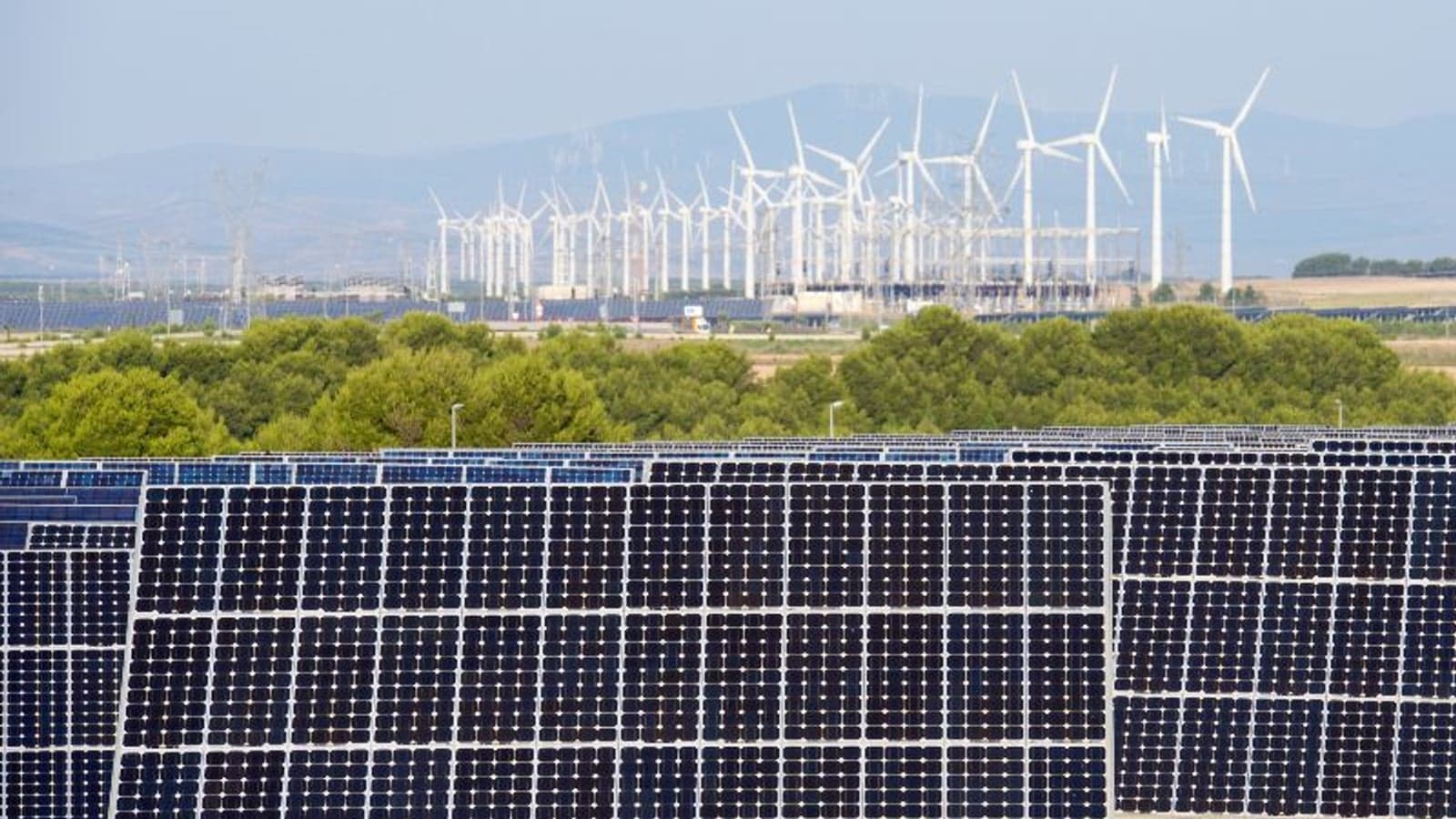
While renewable electricity generation is accelerating at unprecedented levels, new data from the International Renewable Energy Agency (IRENA) suggests the pace must increase dramatically to deliver on emerging global electrification ambitions.
According to IRENA's latest report, Renewable Energy Statistics 2026, renewable electricity generation grew by 9.8% in 2024, significantly outpacing non-renewable generation, which increased by just 1.4%.
The figure is promising and arrives as electrification continues to be highlighted in international climate policy.
Building on IRENA's energy transition roadmap, the incoming COP31 Presidency of Türkiye has proposed a global target for electricity to meet 35% of final energy demand by 2035.
However, IRENA's latest analysis highlights that to achieve that level of electrification, renewables must supply around 78% of global electricity by 2035, approximately two and a half times today's share.
Read more renewable energy news
IRENA Director-General Francesco La Camera, commented in a statement: "The world is rallying behind electrification as a cornerstone of the energy transition, with renewable electricity as its driving force.
"Technologies are available, the economics are compelling. Now we must swiftly shift from fossil fuels to clean electricity across buildings, transport and industry."
Record growth
The latest figures from IRENA reinforce the widening gap between renewable and conventional power generation, with solar and wind continuing to dominate new electricity production worldwide.
Asia remained the largest renewable electricity producer, generating 4,589TWh in 2024. Europe generated 1,758TWh, up 7.2%, and North America produced 1,535TWh, an increase of 5.8%.
The Middle East recorded the fastest regional growth rate at 17.3%, although from a smaller base, while Africa's renewable generation increased by 5.7%.
IRENA also published revised renewable capacity figures for 2025, showing that annual additions reached a record 693GW.
Global renewable capacity stood at 5.2TW by the end of 2025, representing 49.5% of total installed generation capacity worldwide.
Have you read?
World Bank helps fast-track India's rooftop solar ambitions
Polish offshore wind milestone as Baltic Power comes online
Although renewables accounted for 85.7% of total capacity additions in 2025, down from 92.7% the previous year, the agency says the overall trend of renewables growth is undeniable.
UN Climate Change Executive Secretary Simon Stiell said the latest figures reinforce the increasing pace of the global energy transition, although he added a warning that deployment remains uneven and insufficient to meet climate goals.
“Every nation at COP30 agreed unanimously that the global transition is now ‘irreversible’ and this new data is powerful new evidence," said Stiell.
"With renewable power generation clocking its fastest growth ever, the shift to clean energy is charging ahead, because it’s now cheaper, safer and faster-to-market, in stark contrast to this year’s ongoing fossil fuel cost chaos – driving inflation painfully higher for every economy, millions of businesses and billions of households.”
“Despite this vast progress, the shift to clean energy is still far from fast or inclusive enough.”
Demonstrating Stiell’s point was evidence from the report highlighting disparities between nations and regions, with certain parts of South America, Africa and the Caribbean lagging behind.
Related tags
Most popular
Join the community for freeAnd get access to all content