Partner content
Elevion Group CEO tackles the energy economics of sustainable decarbonisation
Enlit Editorial Team
Posted on: 18 October 2024
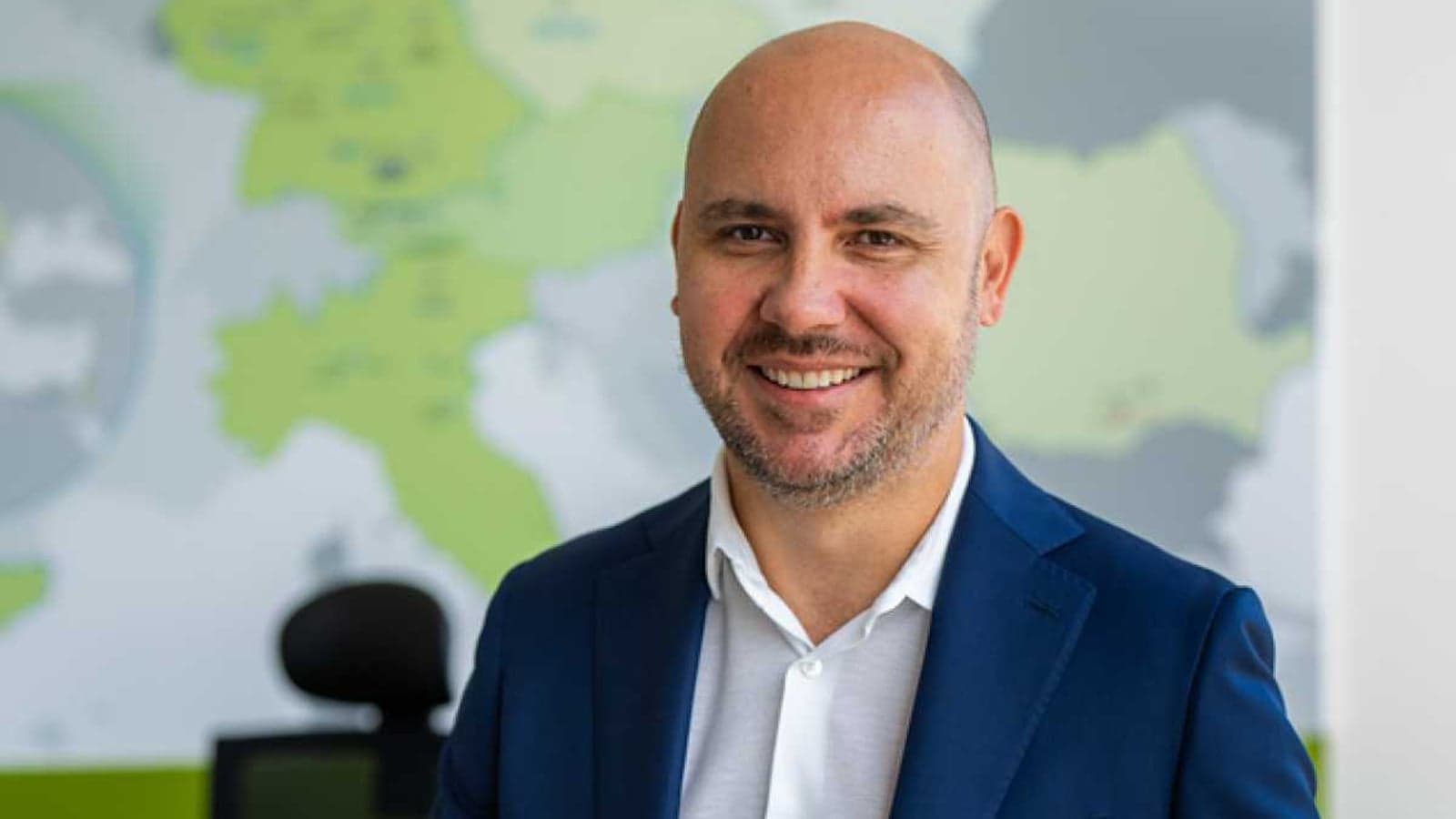
"If we cannot ensure that energy costs are a reasonably low component of production costs for European companies, Europe will struggle to compete at a global level", says Jaroslav Macek, Chief Executive Officer at Elevion Group B.V.
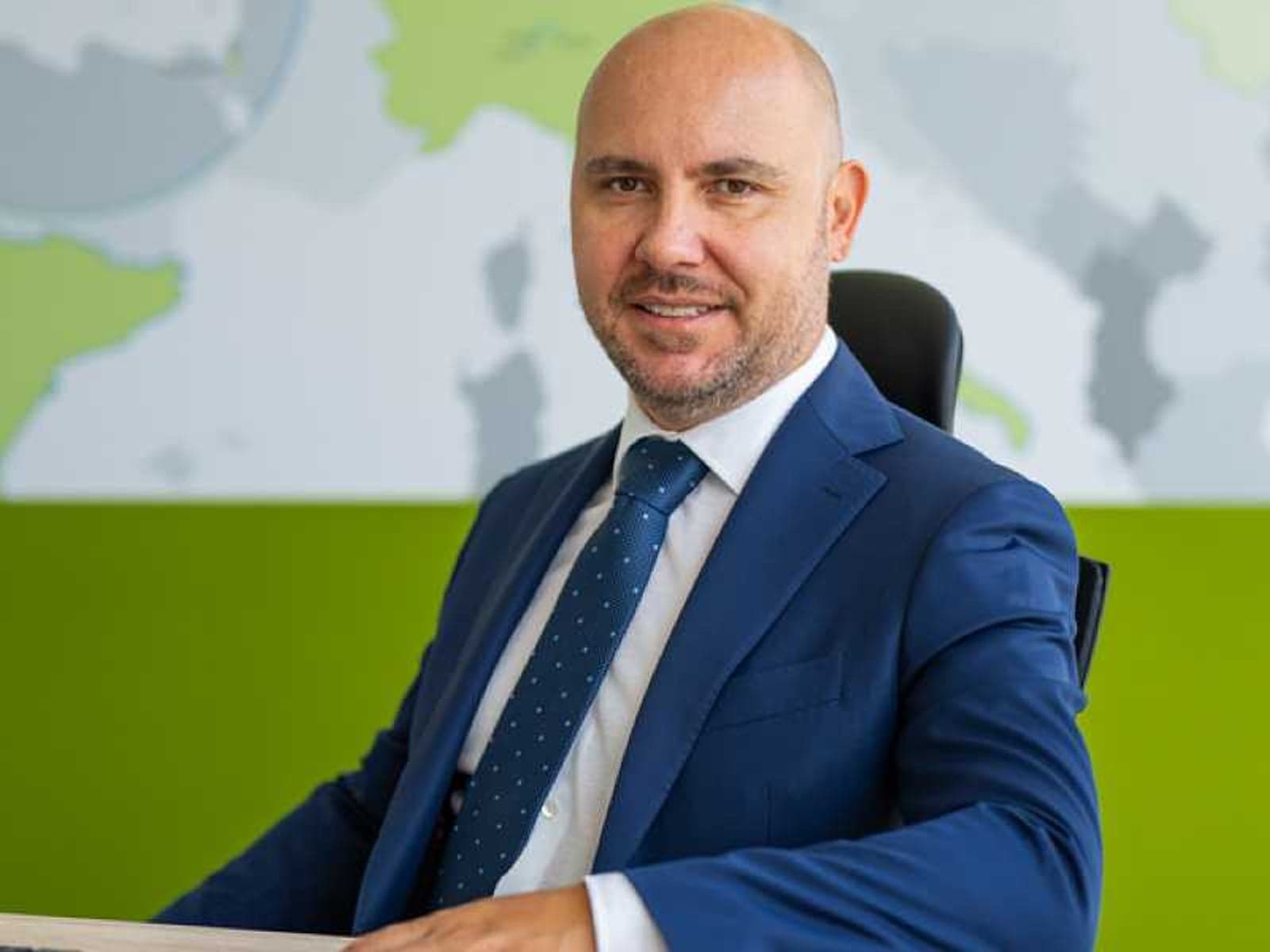
"If we cannot ensure that energy costs are a reasonably low component of production costs for European companies, Europe will struggle to compete at a global level", says Jaroslav Macek, Chief Executive Officer at Elevion Group B.V.
In an Enlit exclusive, Macek expresses how sustainable decarbonisation is only possible if economic factors are seriously considered. Coupled with advancements in technologies, he spotlights the critical role that AI plays in 'simplifying' a very complex system for customers, optimising the management of assets while saving time and money.
How will AI accelerate the energy transition?
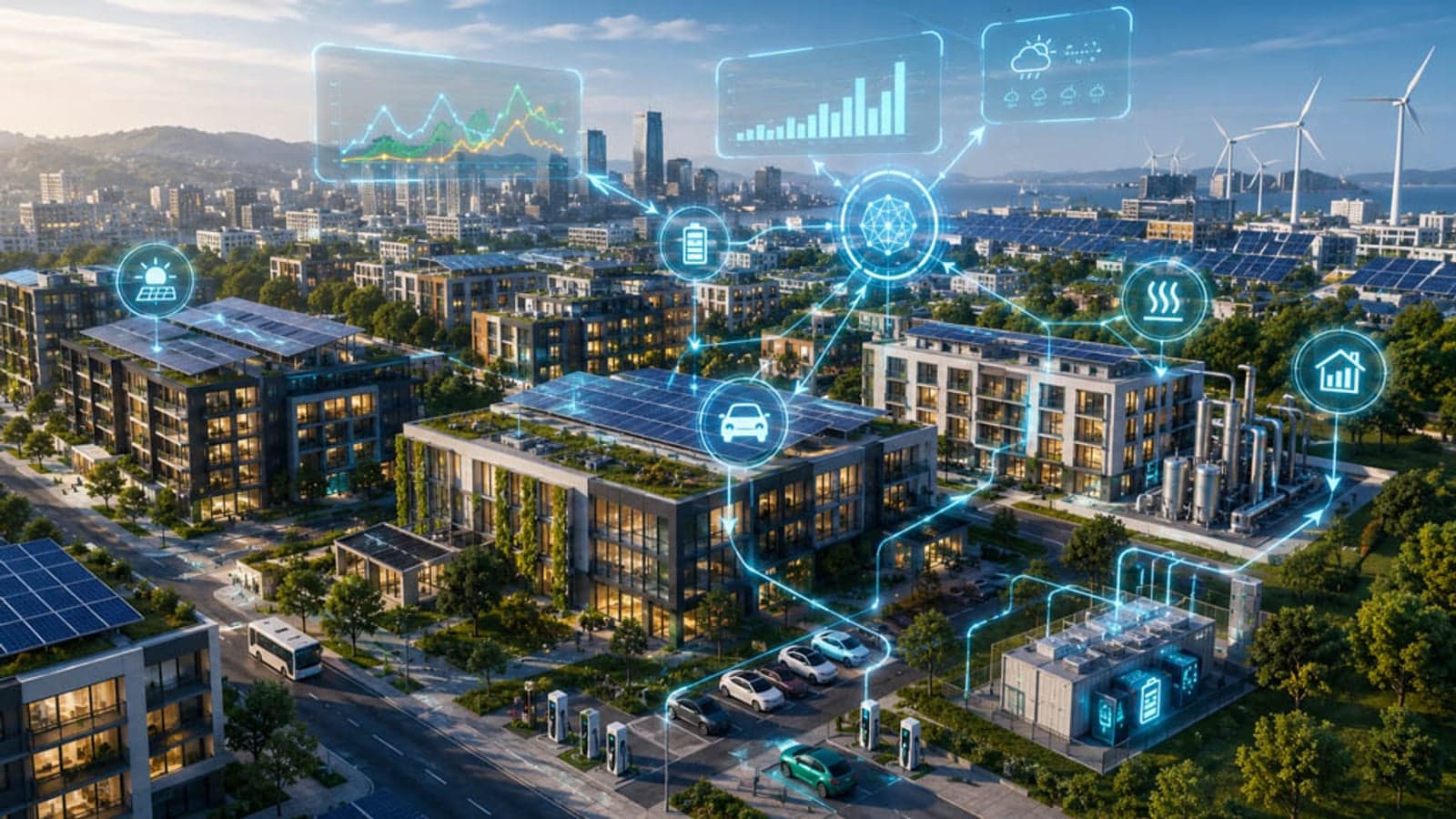
At Elevion Group, we view AI as one of the key tools for accelerating the energy transition. Being active across the entire energy value chain, we see a broad range of AI applications, from use cases throughout the customer journey and back-office operations to complex energy management and optimisation solutions. As the complexity of the energy system increases, so does the management of power generation, consumption, and interaction with energy networks; therefore, I see AI’s greatest contribution in managing this complexity.
We are very pragmatic about AI and view it as a tool that must provide added value to our customers, particularly in cost and time savings. Our group portfolio companies are already embedding AI into their products and services. For example, where we are looking at how to help our customers manage the complexity of their energy systems and related processes.
Other use cases focus on customer interaction, where AI chatbots allow our customers to quickly access complex advice during the decision-making process or while using our services. For example, we are preparing to launch a tailor-made intelligent chatbot, that will enable our clients instant access to information about our green energy products, their business impact in their specific case and related regulation. It will be available 24/7, without needing to interact with our team. Digital products, including AI, form a clear strategic pillar for the growth of our group in the coming years.
Europe needs a strong industrial strategy to ensure its global competitiveness. What role must the energy sector play in this strategy?
Europe must play a decisive role in ensuring the region's global competitiveness is conditioned by securing an affordable and secure energy supply. For us, as a leading European provider of decarbonisation services, the third element of the “energy trilemma” – sustainability – forms an integral part of the solution. However, from our interactions with clients, it is clear that sustainable decarbonisation is impossible without focusing on economic factors. In short, if we cannot ensure that energy costs are a reasonably low component of production costs for European companies, Europe will struggle to compete globally with their peers from other continents.
Given the complexity of our operations, from operating renewable energy assets to delivering technological solutions for energy management and decarbonisation for Europe’s leading industrial companies, I see several critical dimensions where the energy sector must play a role in European industrial strategy.
Firstly, we must maintain expertise in the renewable energy sector itself. This is crucial not only because it’s an innovative, high-value industry, but without the ability to produce components for the renewable value chain domestically, we risk shifting our dependency from fossil fuels to a reliance on components from other continents.
Secondly, we need to create a predictable and supportive environment that encourages decarbonisation investments. To a significant extent, Decarbonisation is financed by private capital. Our clients across various industries need confidence that capital allocated to decarbonisation projects will generate financial returns. This requires a regulatory environment where legislation is adopted swiftly, administrative burdens are reduced, and innovative projects are incentivised through tax policies, support mechanisms, and other benefits.
Lastly, the economic transformation will further increase electricity demand, and all efforts in other sectors rely on an adequate energy supply—whether for data centres, electric vehicles, or electrolysers producing green hydrogen. Simply put, we must ensure that we have sufficient generation capacity. There should be no ideological barriers against the development of any electricity generation source that fits into our long-term strategy and helps keep energy costs low in Europe.
You might be interested in:
European Industrial Energy Days
How important is community buy-in in accelerating the European energy transition?
Community buy-in is crucial, as the energy transition ultimately relies on individual decisions made by each of us. This is often overlooked, leading to challenges such as difficulties in securing land for renewable projects, reluctance to adopt new technologies like smart meters, resistance to changing energy consumption habits, or biased perceptions of emerging technologies and even old carbon-free technologies like nuclear. A significant part of this hesitation stems from the fact that the benefits of these technologies, the financing options, and the broader transition objectives have not been effectively communicated and shared with communities.
Business leaders in the energy sector should focus on securing community buy-in through clear communication of benefits and proactive agenda-setting in political and public discussions. However, in certain areas, the role of politics is indispensable, as only policymakers have the mandate to make legislative changes necessary to facilitate community buy-in. It is essential to ensure that businesses, politicians, and communities work closely together, sharing the decarbonisation goal with the buy-in of the majority. Only then can we effectively accelerate the energy transition.
COP28 committed to tripling global renewables by 2030. What are the top three challenges for Europe to achieve this goal?
Firstly, we must ensure that we can decarbonise the European generation portfolio while maintaining competitive prices compared to the rest of the world. Secondly, we must establish a predictable environment for decarbonisation investments, giving investors the confidence to allocate their capital. Lastly, we must ensure the ability to manage the power grid flexibly, integrating both decentralised solutions and centralised power generation alongside energy storage systems.
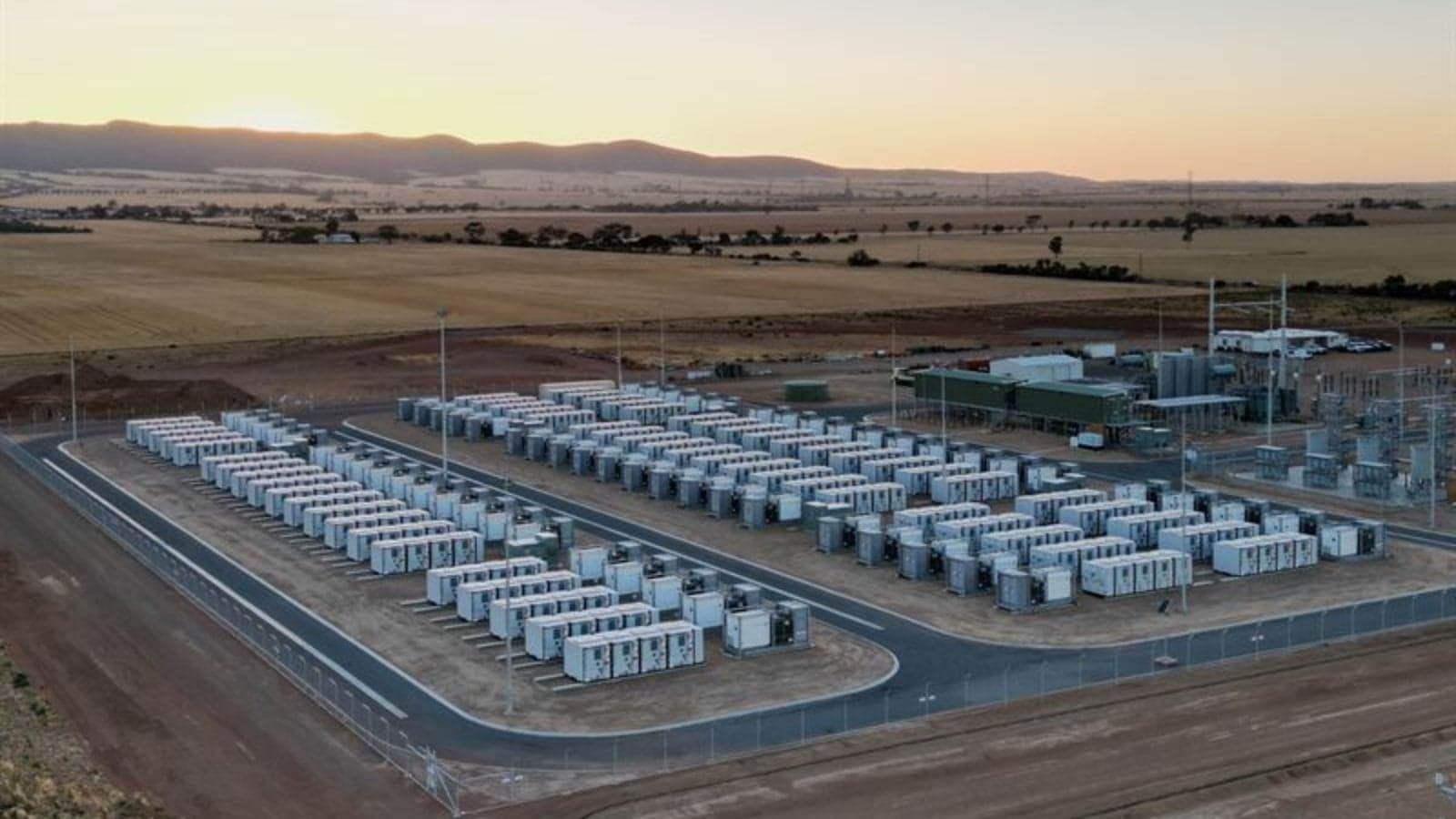
I am happy that Elevion Group is addressing all of these challenges and is actively contributing to the European decarbonisation objectives. To name a few examples: our company BELECTRIC, one of the global leaders in the photovoltaic and energy storage space, developing hundreds of megawatts of solar power plants and battery energy storage systems each year and recently reached 5GWp of constructed solar power plans.
In terms of financial challenges, we offer clients a contracting model that replaces large one-off CAPEX payments with manageable regular payments for generation assets such as PV systems, batteries, heat pumps or cogeneration units. This model makes decarbonisation more accessible to clients who may lack the capital for immediate investment. The third challenge is addressed through our projects in energy management systems, with HERMOS, our subsidiary, providing energy management solutions for various industries and large buildings like Frankfurt Airport.
Additionally, BELECTRIC offers clients large energy storage systems that provide flexibility to the grid, ensuring the stability of the European energy system. This demonstrates that we have solutions to these challenges and are ready to overcome them.
Is the European power and energy sector focusing enough on the workforce of tomorrow?
Elevion Group employs more than five thousand people across Europe where our competitiveness is dependent on us being an attractive employer, drawing in talented individuals across all positions and supporting their growth. Workforce-related matters are a strategic priority for us with the most pressing challenge in the recruitment of skilled blue-collar workers, where shortages are currently evident across the sector.
We have taken a proactive approach by forming an internal team focused on securing a workforce from abroad. We see the benefit of communicating directly with blue-collar workers or the companies, without the intervention of an intermediary.
In terms of retention and reskilling, we invest significant resources and effort into continuously educating, training, and developing our people, with dedicated career development programs for each employee category, focusing on both general and expert competencies. We have already launched programmes for students which enrol more than 330 apprentices a year.
We have observed that when we create an environment where employees—whether electricians, on-field project managers, middle management, or top managers in individual companies—can grow, it boosts the entrepreneurial and innovative spirit and fosters the overall growth of our group. This approach enhances our resilience by enabling the workforce to adapt to the challenges of tomorrow.
Latest content
+6
The energy sector must lead Europe's industrial strategy says head of Enel Grids
"The energy sector is not just another industry within Europe’s industrial strategy; it is the enabler that underpins the entire European economy," says Gianni Vittorio Armani, Head of Enel Grids and Innovability.
- Enlit Editorial Team
- 15/10/2024
+4
Why Europe needs collaboration, not just ambition
Jaroslav Macek from Elevion Group shares why Europe’s energy transition needs orchestration, not just ambition and how collaboration, digitalisation, and investment in skills can drive a resilient, cost-effective energy future.
- Enlit Editorial Team
- 17/11/2025