Enapter receives largest single electrolyser order from Europe
Enlit Editorial Team
Posted on: 9 May 2024
Enapter has received their largest single order from Europe for electrolysers in the megawatt range.
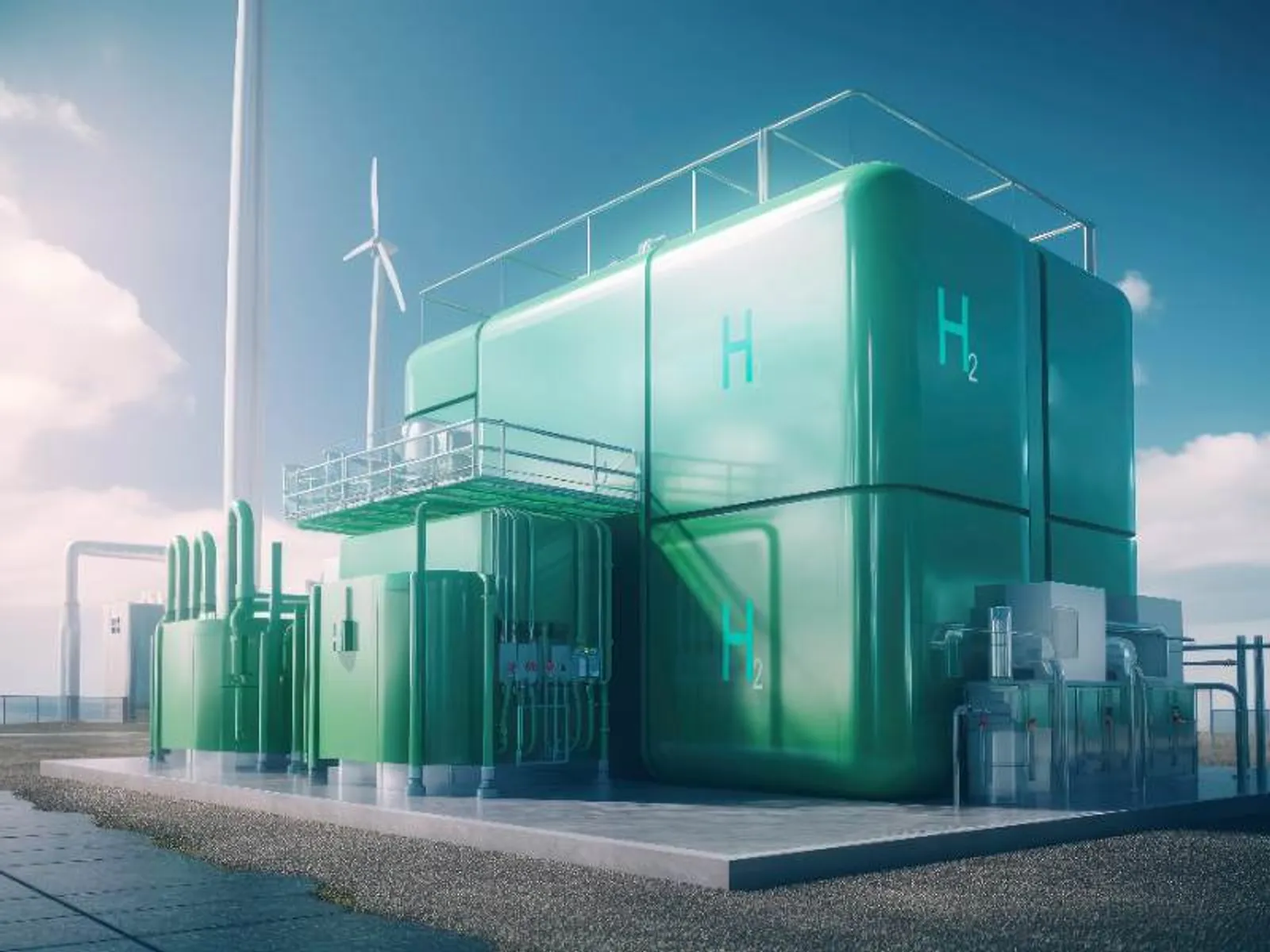
Enapter has received its largest single order from Europe for electrolysers in the megawatt range, with a total production capacity of 4MW.
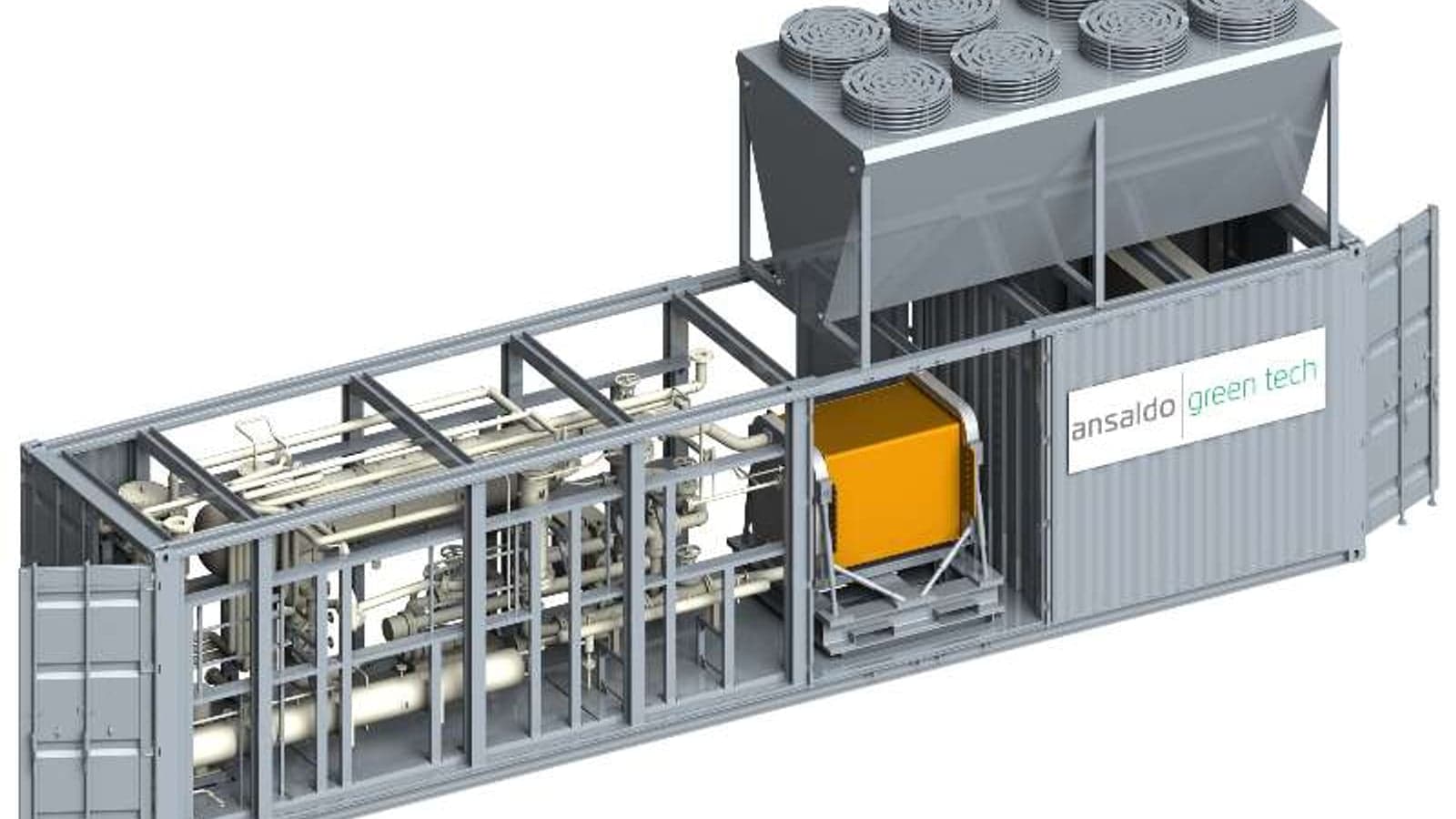
Enapter will supply 3 multicore-class units, each with 1MW, to the logistics company CFFT SpA, which among other things, operates a harbour near Rome.
There, the Enapter electrolysers will be used in a hydrogen refuelling system and operated with sustainably generated electricity. The order from CFFT is the largest single order from Europe in Enapter's history to date.
Also in Italy:
RENergetic: Community-empowered multi-vector energy islands
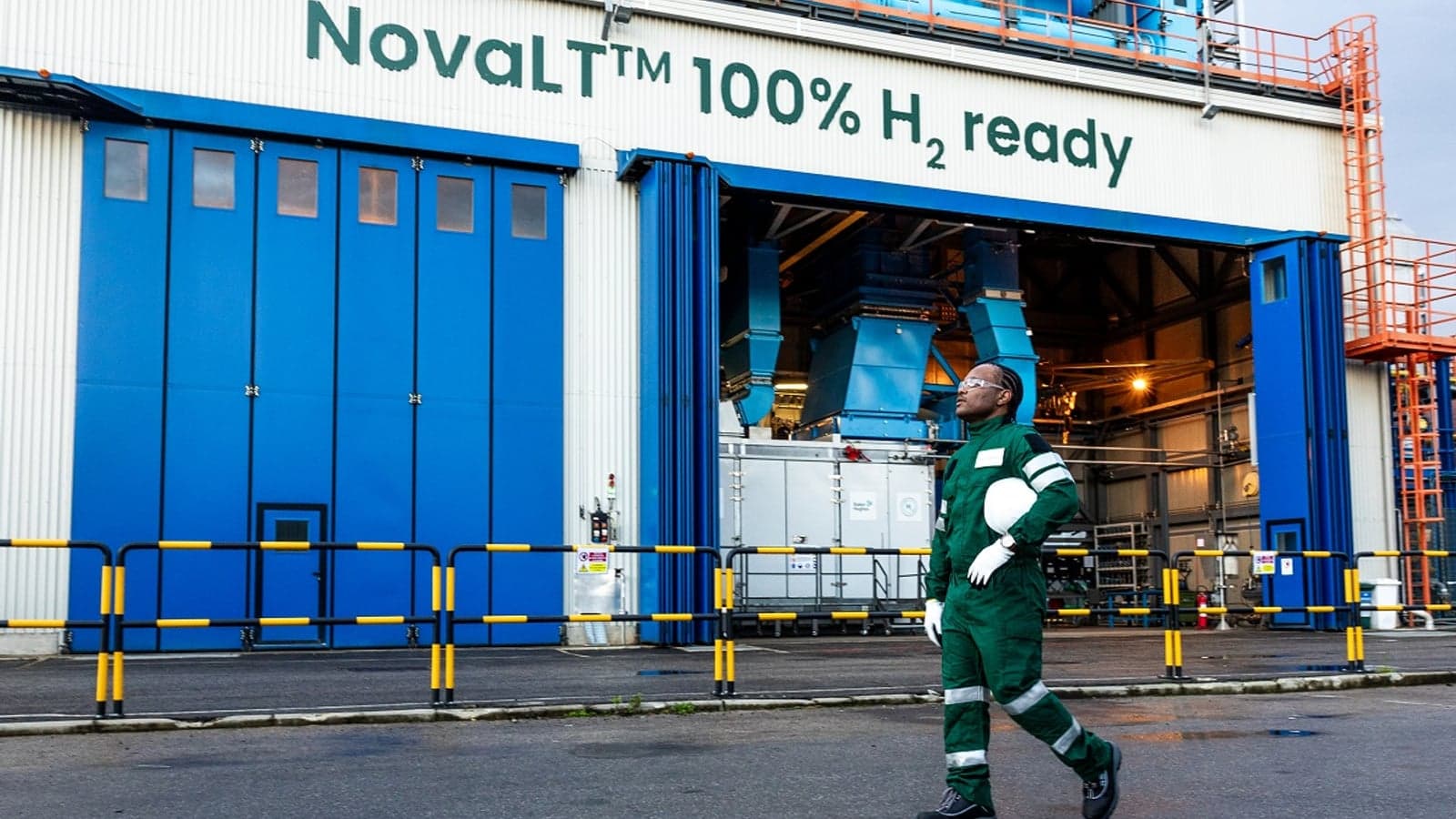
Baker Hughes unveils landmark hydrogen test centre for gas turbines
In addition, F.i.l.m.s SpA - also from Italy - has ordered an Enapter electrolyser in the multicore-class with 1MW. The metalworking company from the OMCD Group specialises in hard metal parts and uses conventional hydrogen in its production processes, which was previously bought in.
With the Enapter electrolyser, the company will be able to produce green hydrogen from renewable energy and feed it directly into its gas mix for the furnaces. F.i.l.m.s' medium-term goal is to gradually replace climate-damaging natural gas and switch to green hydrogen as completely as possible.
Jürgen Laakmann, CEO of Enapter said, "More and more companies are focusing on their own energy production from wind and sun. Customers are increasingly opting for scalable, iridium-free electrolysers to ensure that they can plan for further expansion. With our iridium-free AEM technology, we can offer the flexibility required for operation and expansion with renewable energies. Our success in the Italian market shows that we are ideally positioned to support industrial companies in providing important impetus for the energy transition."
Listen to this episode of the Energy Transitions podcast to gain insights into how to effectively build a hydrogen economy as efforts to decabronise increase
Originally published on Power Engineering International.