Enedis and ABB partner on SF6-free switchgear
Guest/partner contributor
Posted on: 18 November 2025
The partners co-developed a completely SF6-free switchgear system tailored to the French market.

In 2017, of its own initiative, Enedis, France’s largest distribution network operator, made a pivotal decision: it committed to phasing out sulphur hexafluoride (SF6), a greenhouse gas over 24,000 times more potent than CO₂, from its medium-voltage (MV) switchgear.
At the time, SF6 was still the dominant insulation and interruption medium across Europe’s MV infrastructure. Alternatives existed, but few had been proven at scale — and none met the unique dimensional and integration requirements of Enedis’ 20 kV network.
Over the next four years, as part of a public procurement contract, ABB and Enedis co-developed a completely SF6-free switchgear system tailored to the French market. The result was a reliable, regulation-ready solution deployed by Enedis — and a long-term partnership built on a shared innovation approach.
A voluntary action to reduce environmental impact
The climate impact of SF6 is well documented. While SF6 has long been valued for its arc-quenching stability and compactness, its high global warming potential (GWP 24,300) raised concern and fostered new regulations.
In February 2024, the European Union adopted Regulation (EU) 2024/573, setting clear phase-out dates for the use of SF6 in electrical equipment. Under the regulation, new MV switchgear rated up to and including 24 kV using SF6 will be banned from 1 January 2026, with a further deadline of 1 January 2030 for equipment rated between 24 kV and 52 kV. After 2035, only recycled SF6 will be permitted for maintenance, ending the use of virgin gas entirely.
The partnership between Enedis and ABB launched in 2017, anticipating the upcoming shift, ensuring any challenges could be overcome well in advance.
Efficient co-development at the heart of optimising performance
ABB’s technical and R&D teams engaged directly with Enedis engineers from day one. Together, they conducted testing campaigns, defined mechanical constraints, and set performance expectations based not on ideal laboratory conditions, but on the realities of installation and operation across France’s 1.4 million kilometres distribution network.
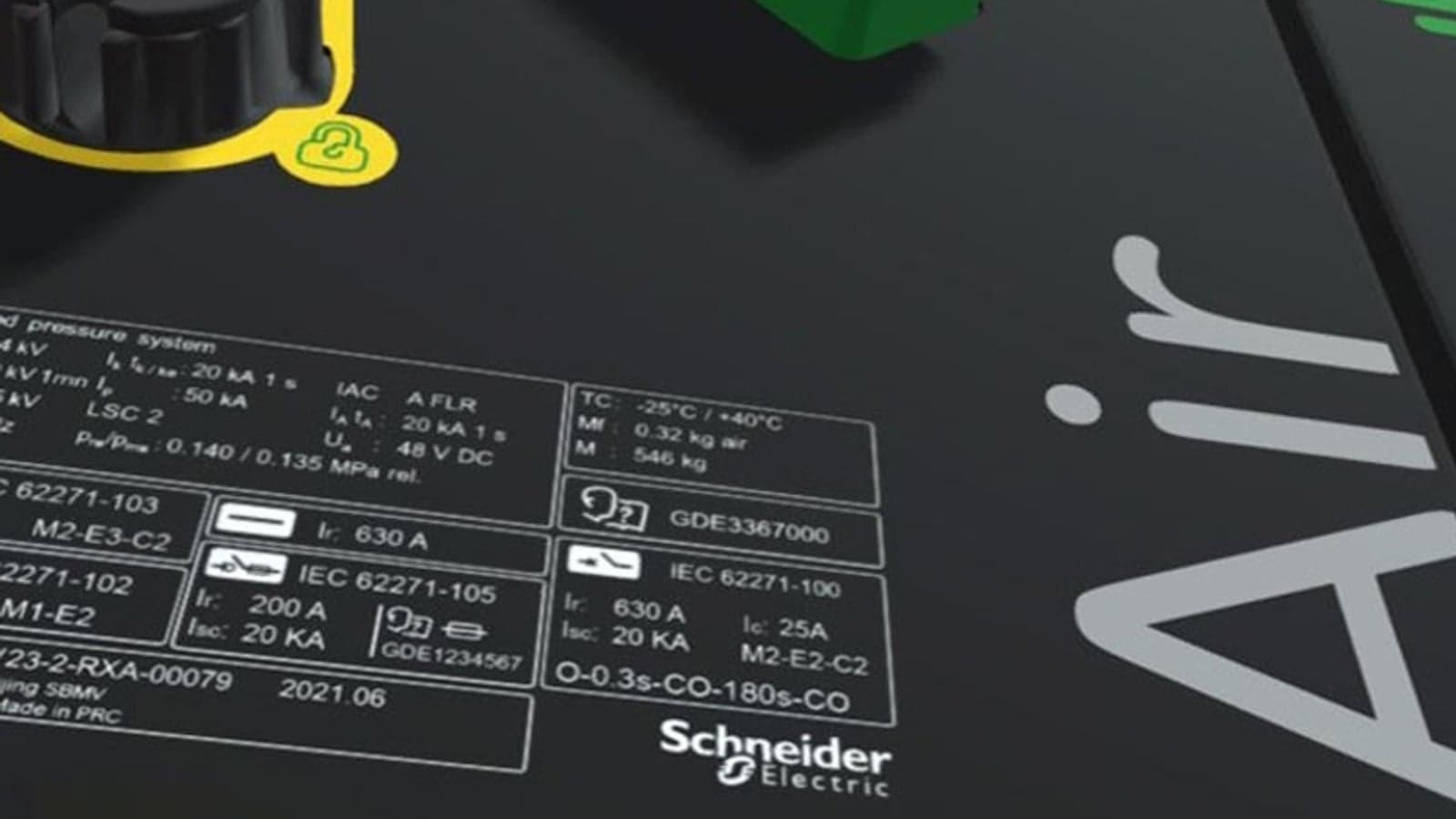
This was not a case of retrofitting an existing product. ABB developed a custom platform from the ground up: a new generation of air-insulated switchgear with vacuum-interruption and entirely free of SF6. Known as UniSec V500 (a customised UniSec Air configuration), the system had to maintain arc-interruption performance under higher internal pressure, match the footprint of existing Enedis bays, and comply with the operator’s specific low-voltage wiring and interface requirements.
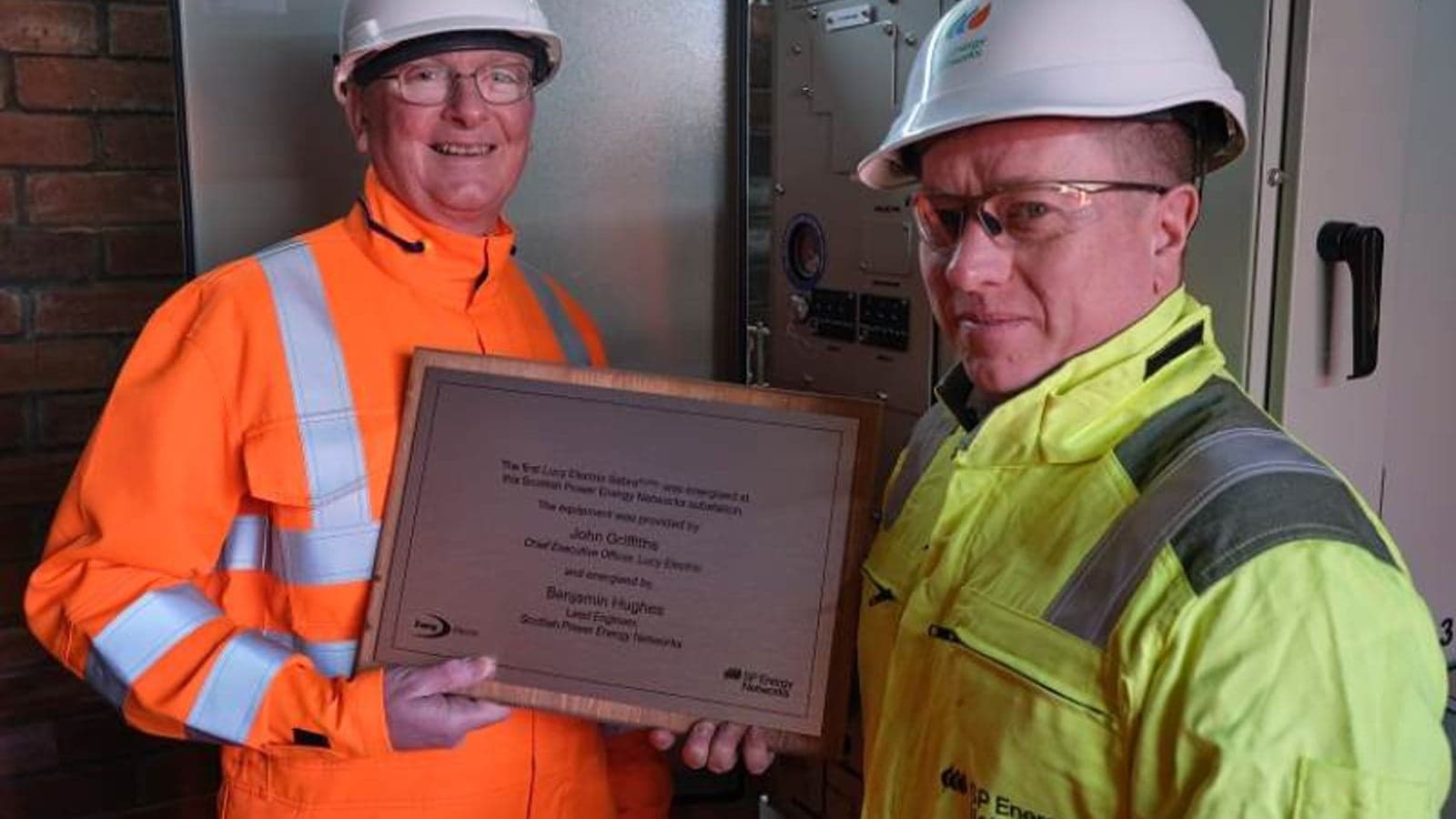
The first panel was energised at the Châtillon-sur-Indre HV/MV substation in May 2021. It marked the transition from theory to practice — a live deployment of fully SF6-free switchgear on one of France’s regulated networks. Performance matched expectations, and with the core design validated, Enedis moved forward with a broader rollout.
Over the next four years, ABB delivered customised units for substations across multiple regions, under a framework agreement that emphasised both technical continuity and delivery flexibility. Thanks to early design alignment, the new panels were drop-in compatible with existing infrastructure — avoiding costly civil works and reducing installation time.
Just as importantly, the collaboration didn’t end after the first units were installed. Enedis site teams shared practical feedback from the field, and ABB used that input to make incremental design improvements, helping future units fit even more smoothly into real-world sites. This continuous exchange helped keep the solution evolving and demonstrated ABB’s commitment to supporting the project as a long-term partner, not just a supplier.
Ahead of the curve
With regulatory deadlines about to enter into force, Enedis’ early investment has already borne fruit. It now operates one of the most advanced SF6-free MV fleets in Europe, backed by validated field performance and a strong technology roadmap.
By acting early, Enedis has de-risked its asset strategy, reduced future retrofit costs, and positioned itself as a leading voice in grid decarbonisation.
For ABB, the project reinforces a core principle: innovation does not begin with a specification — it starts with partnership. From joint R&D through to product qualification, ABB worked not just to deliver a switchgear solution, but to shape it alongside the customer, matching industrial ambition with technical commitment. The result is a mature, field-proven platform that is now ready to support other DSOs seeking SF6-free alternatives.
The collaboration with Enedis demonstrates what’s possible when both parties are willing to take a long-term view. In a sector often driven by procurement cycles, it stands as a quiet but powerful example of what truly collaborative engineering can achieve.
The fact that Enedis renewed its framework agreement with ABB in October 2025 to continue modernising the country’s electricity networks is a further testament to this. The five-year deal, which can be extended to eight years, reflects the strength of the long-standing partnership between the two companies and Enedis’ ambition to reduce greenhouse gas emissions from its medium-voltage network infrastructure. The contract was signed and initiated in the third quarter of 2025. Financial terms were not disclosed.
Andrea Estrada Hein, Executive Vice President of Switchgear Business Line, Distribution Solutions, at ABB, said: “As electrification accelerates and demand on the grid grows, partnerships like this will be essential to ensure Europe’s energy transition is both reliable and sustainable.”