Enedis unveils €250m climate resilience plan for Marseille grid
Yusuf Latief
Posted on: 3 November 2025
Grid resilience to climate change, transport decarbonisation and urban and industrial development are core priorities in a five year plan.
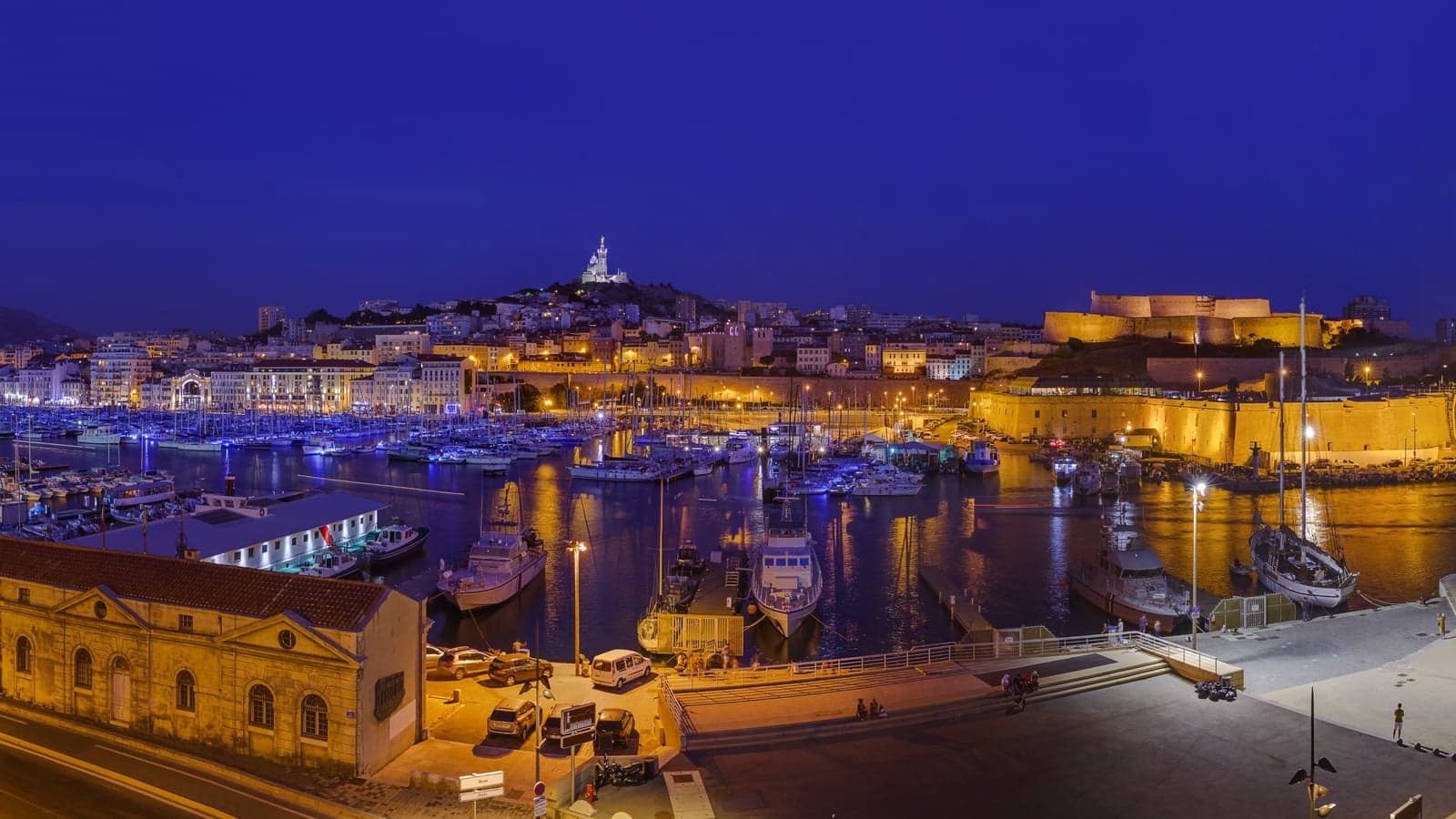
France's largest DSO, Enedis, has launched the Marseille Network programme, a €250 million ($287.9m) investment and maintenance plan to accelerate the modernisation of Marseilles’ public electricity distribution network by 2030.
The plan addresses three priorities: strengthening the grid’s resilience to the effects of climate change; supporting the decarbonisation of transport, particularly in the maritime sector; and supporting the urban and industrial development of a rapidly transforming region.
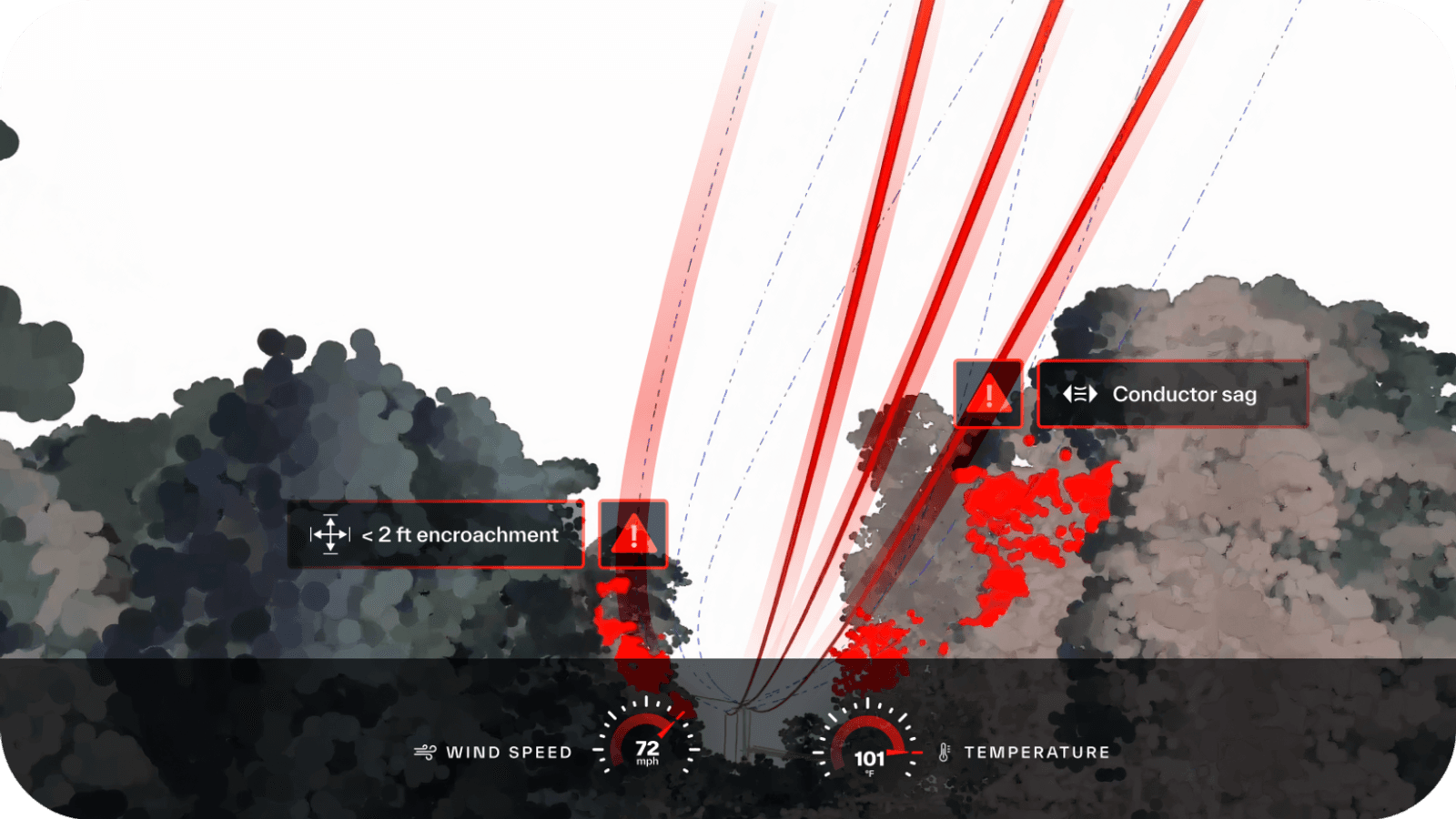
Enedis says increasingly frequent weather events are driving the need for grid adaptation. This summer, Europe saw several records for extreme heat broken, with France experiencing multiple warnings of power reductions as a result.
The Enedis programme has a goal of reducing power outage times in the metropolitan area to national standards by 2030, averaging 40 minutes per year.
According to the DSO, this time is currently estimated at around 75 minutes in Marseille, due in particular to heatwaves that can impact the grid in a dense urban environment.
Extreme weather cables
One of the key levers for this resilience is the replacement of more than 40km of heat-impregnated paper (HIP) cables each year, which are susceptible to high temperatures, with more reliable synthetic-insulated cables better suited to extreme weather conditions.
In the city, the underground medium-voltage network (20,000 volts) still includes 160km of HIP cables. Lessons learned from the heatwaves between 2015 and 2023, particularly in 2022, show that replacing overhead power lines reduces the number of incidents during hot periods by a factor of 33, especially in large cities like Marseille.
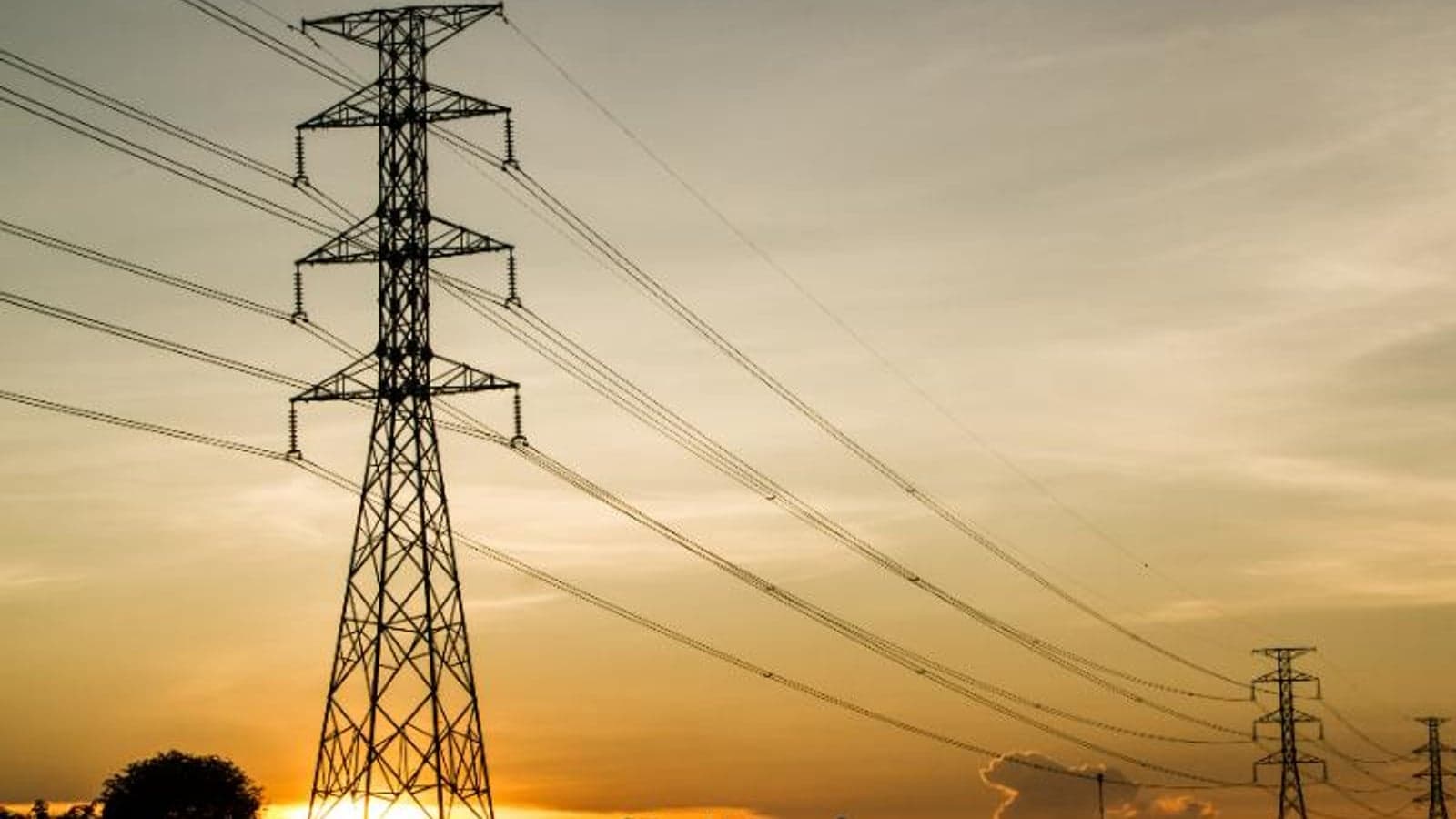
Enedis plans to eliminate 85% of medium-voltage overhead power lines nationwide by 2040, with their near-complete removal by 2050. In the Marseille area, the goal is to eliminate 100% of the cables by 2030.
Enedis said that Marseille, a dense, coastal city with a high concentration of electricity, is experiencing a surge in electricity consumption driven by strong urban, industrial and digital growth.
Decarbonising maritime transport
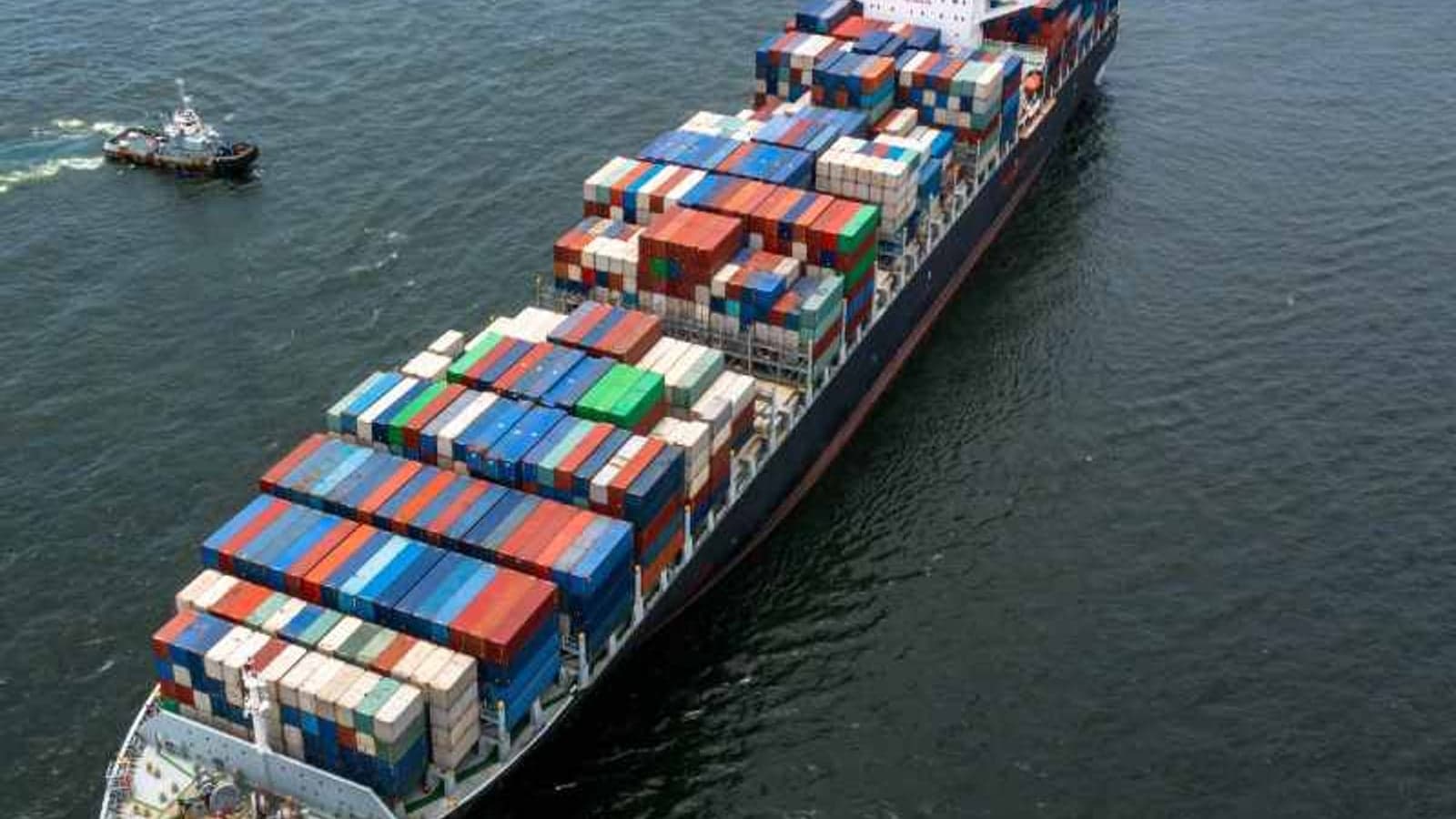
The Marseille Network programme is also part of a broader effort to decarbonise maritime transport. Enedis is collaborating with the Port of Marseille Fos on the ‘Zero Smoke Stopovers’ project, aiming to connect 100% of ferries to electricity by the end of this year.
In May 2025, Enedis created a new 20MW delivery point dedicated to the port and plans to eventually establish five port charging points, for a total capacity of 160MW.
To minimise the impact of surface work, 1.5km of excavation was avoided by using an underground utility tunnel. This electrification will reduce CO₂ emissions by up to 300 tons per ship per year, said Enedis, while also improving air quality for local residents.
In June 2025, an ABB-led consortium announced completion of France’s largest-ever shore power solution at the Port of Toulon, a project which forms a key part of Zero Smoke Stopovers. The Toulon facility now offers connections at 11kV and 6.6kV voltage levels and frequencies of 50Hz or 60Hz, supporting both cruise and ferry formats.
According to ABB, this allows supporting port calls by three ferries simultaneously, or one cruise ship. In addition, the port is equipped with the necessary technology to connect a 1MW hydrogen fuel cell system.
At the time, ABB said it is the only operational solution in France capable of simultaneously supplying multiple vessels – ferries and cruise ships alike – from a single conversion station, thanks to a digitalised smart grid network architecture.
The system, designed by Toulon Provence Méditerranée Metropolis, integrates ABB equipment that can store energy ashore, helping to smooth out peak energy demand from vessels and balancing loads dynamically.
This allows the system to work with emerging renewable energy sources, with solar power and batteries already integrated, and helps to optimise the cost of energy delivered from the 20kV Enedis grid line.
Related tags
Latest content
+1
Advancing sustainability: The EU's drive for cleaner maritime operations
This article highlights the strategies of the European Union (EU) aimed at achieving decarbonization within the maritime industry| primarily through the widespread adoption of onshore power supply (OPS) systems.
- Guest/partner contributor
- 28/08/2023