Energy knows no bias: The role of diversity in a just transition
Guest/partner contributor
Posted on: 9 July 2024
The need for a diverse energy mix is as important as ensuring a diverse workforce, writes Sharon Ilsley at Xoserve.

The UK's energy sector will require thorough upskilling, as energy professionals take on new roles to help bring about decarbonisation, writes Sharon Ilsley, head of people at Xoserve, and although some will use existing skill sets, a large proportion will need to be recruited into the sector.
The need for a diverse energy mix, combining renewable sources and low-carbon gas in one energy system, is something Xoserve and the gas industry advocate for achieving a successful transition. Yet, it’s not just power and heat that need diversification to operate efficiently: the energy industry’s workforce also needs to become more inclusive.
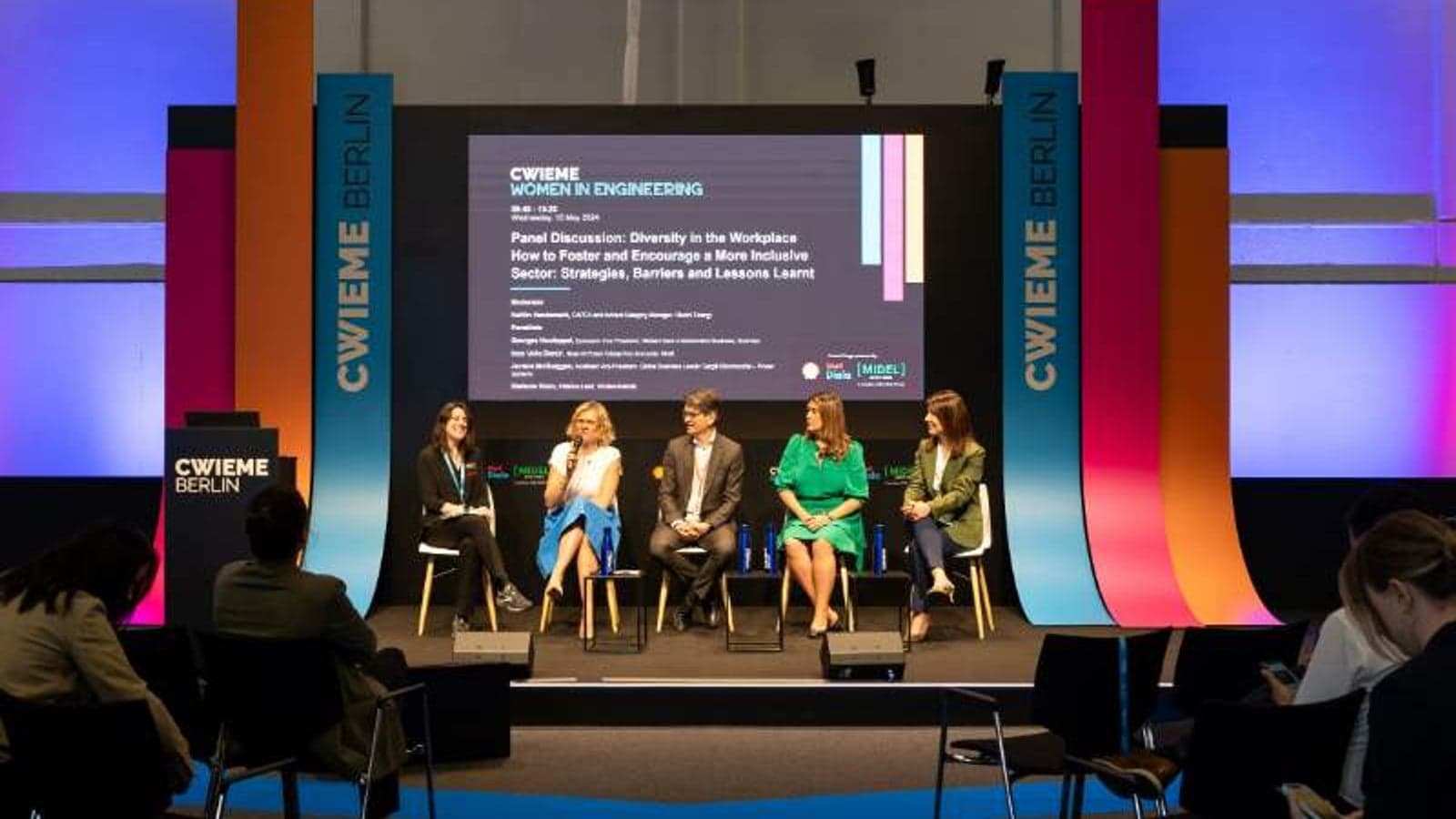
A hard truth about the energy sector is that it is indisputably unequal. 2023 statistics from the Office for National Statistics reveal that women occupy just over 114,000 jobs in electricity, gas, steam and air conditioning.
This is the lowest number within this sector since 2008.
Have you read?
Engineering a change in perception over energy sector diversity
Women in energy: ‘We have to tap into the potential of that 50 per cent of the planet.’
Confidence through authenticity
Womens Utilities Network (WUN), in collaboration with The Marketing Pod, recently conducted a study into unconscious bias towards women in the sector. The report found that 46% of the women who responded often hesitate to give their opinions or share ideas at work, even though they know that what they have to say is valuable.
As part of Xoserve’s podcast, Decarb Discussions, women from the energy and utility industry were asked to reflect on their careers and offer advice to those considering a similar one.
"I think that it is very common amongst all of us, but especially women, to focus on what we don't know," said Sophie Dooley, consultant at Engage Consulting.
Della Newton, global energy management and sales at ENGIE added, "I used to try to be more serious, which sounds ridiculous looking back. Now, I can bring my whole self to work, and that enthusiasm to meetings actually helps."
These testimonials reinforce our belief that firms within the energy and utilities sector should empower existing employees by fostering a culture that encourages not only skills and knowledge but also differences in personalities, perceptions and ideas.
Supporting employees during moments of insecurity or vulnerability is also beneficial to achieving a more inclusive workplace. Establishing an internal support network will allow new recruits to see and experience this first-hand, perpetuating a positive cycle.
Energy knows no bias
In the podcast, guests were asked what advice they would give to their younger selves, which resulted in a common theme: don’t dim your light to fit in. Another theme that emerged is the importance of not being overwhelmed by the complexity of the industry and not being afraid to ask questions.
A compelling point made by Melissa Giordano, deputy director of retail systems and processes at Ofgem, is that “particles and electrons don’t care about who we are as people – male, female or non-binary. It's important to keep hold of that.”
The decarbonisation of heat and power will impact everyone, and industries that are crucial to net zero must consider employing staff with different experiences, attitudes and backgrounds to deliver a broad range of innovative solutions needed for a successful transition.
This will be challenging without engaging people from a wide range of cultures and backgrounds, and demonstrating how the energy sector can be an attractive and fulfilling place to develop a career.
Recognising and combating unconscious bias
Within the science, research, engineering and technology professions, there are 600,000 women compared to 2,000,000 men. Amongst chief executives and senior officials, only 32% are women. These figures prove that across the sectors most likely to influence Great Britain’s journey towards net zero, such as decision-making and the STEM industry, the numbers are significantly weighted towards men.
Xoserve, like many organisations in the energy sector, has a male CEO. But diversity and inclusion are not merely gender problems – race, sexual orientation, family dependencies and other identity markers also need to be considered.
Speaking about bringing diversity to the company, Xoserve’s CEO, Steve Brittain, said: “We must keep impressing upon everyone that we welcome people from all backgrounds to come and join us.”
Brittain also emphasised flexible working: “Xoserve acknowledges that every person is unique and has different needs. To provide a better working environment, we offer flexible and hybrid working options. We also aim to create an inclusive work culture without bias. In line with this, our recruitment process now includes the use of anonymous CVs, removing names and places of education as standard practice to ensure that unconscious bias does not affect candidates' chances of joining us.”
In an ideal world
The importance of nurturing staff from different backgrounds and experiences is becoming more widely understood. Yet, equity, diversity and inclusion (ED&I) initiatives shouldn’t be limited to the workplace but should extend to policy considerations that affect the wider public.
With reaching net zero being arguably the toughest challenge of this century, diversity could hold the key to making positive change - as well as being a critical consideration for a just transition.
If we don't take action, there's a risk that the future energy system will be unjust and won't represent the people who rely on it the most, such as vulnerable customers.
Energy leaders and decision-makers in the energy transition must consider how the current state of the sector will affect potential workers entering the industry over the next two decades. They should also reflect on how we can best support energy workers in a holistic way – empowering them to bring their whole selves to work, and not just the skills they possess.
To truly understand the extent of the issue and how to resolve it, it's important to address existing biases – whether conscious or unconscious – ingrained in our supply chains.
Originally published on powerengineeringint.com