EU-DREAM: The power of AI meets the energy consumer
Guest/partner contributor
Posted on: 8 October 2025
The EU-DREAM project aims to have a consumer-centred approach by transforming how they engage with energy systems.
According to a recent study, nearly 80% of Europeans are not actively participating in the energy transition. Europe’s shift from fossil fuels to renewable sources and the electrification of sectors like mobility and heat calls for a new market dynamic. Consumers are now expected to take on a more active role producing, storing and managing their energy while helping grid operators balancing more complex systems.
While research and development have made remarkable progress in advancing enabling technologies like smart appliances, electric vehicles, batteries, solar PV and digital tools, a critical challenge remains: consumer adoption.
That’s where the EU-DREAM project comes in. Many consumers lack the digital literacy needed to navigate the complexities of modern energy systems. Concepts like dynamic tariffs, self-consumption, energy trading and load shifting can be daunting, leaving individuals ill-equipped to make informed decisions. Without widespread consumer understanding and participation, the energy transition cannot succeed.
Empowering consumers
At its core, EU-DREAM aims to empower individuals – including those who are currently disengaged or vulnerable – by making energy management intuitive, accessible and actionable. Through AI-powered technologies, consumers using EU-DREAM solutions will be able to understand and control their energy usage without needing technical expertise.
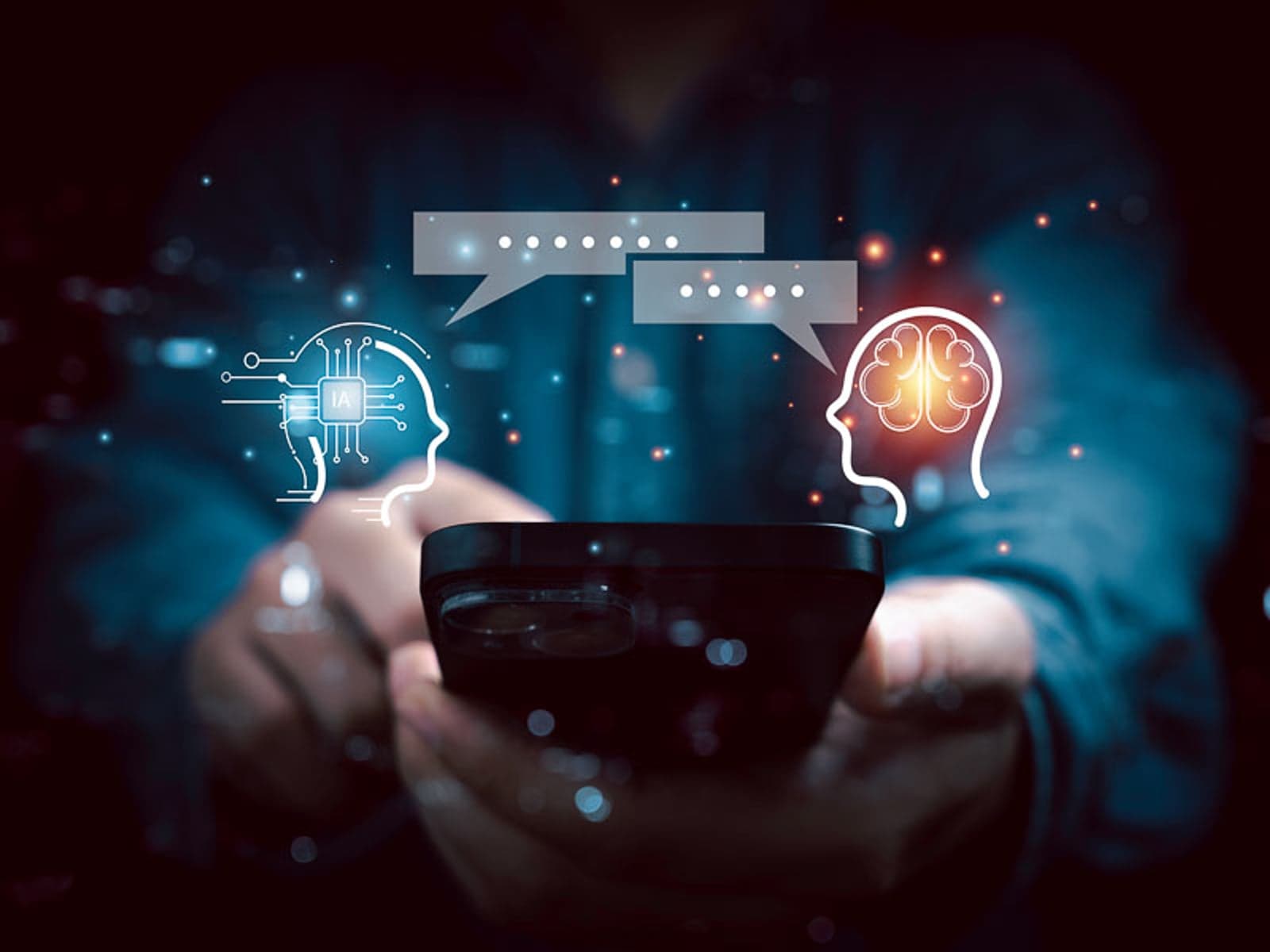
Specifically, EU-DREAM tools will harness the power of conversational AI to guide users through the complexities of the energy market with a friendly, approachable assistant. The EU-DREAM assistant will use natural language processing (NLP) techniques to translate technical concepts into everyday terms, making energy information more accessible and enhancing customer support.
For consumers navigating the energy transition, clarity and guidance are essential. This perspective is echoed by João Catalão, the project coordinator: “AI and natural language processing are not just tools for grid operators and policymakers – they also provide significant advantages for consumers by making energy more accessible and understandable.”
AI will be also used to develop digital twins that create virtual replicas of households, enabling the collection of data from appliances to uncover patterns in energy usage. This data-driven approach empowers smarter decisions around energy production, distribution and consumption, while AI and natural language processing work together to deliver personalised recommendations that help users improve efficiency, reduce costs and actively participate in the energy market.
As Niccolò Bertozzi of Fondazione Links puts it: “Optimising energy consumption starts with understanding user habits, using a digital twin of the communities they belong to. The EU-DREAM digital twin, with its integrated blockchain trust layer, empowers a data-driven approach, guiding consumers effortlessly through their energy transition."
Living labs
Living labs across six European countries will test these innovations in real-world settings, focusing on diverse needs: from real-time energy optimisation in Ireland to empowering vulnerable communities in Belgium. By translating complex energy concepts into everyday language and offering personalised insights, EU-DREAM enables energy literacy and builds trust in digital tools.
The long-term impact is a more inclusive energy ecosystem where citizens are active participants, not passive users, driving demand side flexibility, reducing carbon emissions and supporting Europe’s net zero goals.
By the end of the project, the EU-DREAM project expects:
- 39% increase in self-consumption, allowing households to better utilise locally generated renewable energy,
- 35% reduction in CO₂ emissions, supporting the EU’s climate objectives,
- 36% higher user engagement,
- 33% reduction in overall energy costs,
- 25% gains in energy efficiency,
- 20% improvement in flexibility potential, enabling users to adapt more effectively to grid demands,
- 32% increase in grid support,
- 25% boost in market efficiency.
The EU DREAM project is reimagining the energy transition by putting people at the centre of innovation. By blending social science with high-tech development, the project tackles the human side of energy, exploring what motivates people, what holds them back and how to make complex systems easier to understand.
Its mission is to empower citizens to actively engage in the energy transition by bridging the knowledge gap and making energy systems more accessible, transparent and user-friendly.
About the author
Mariana Jiménez is a Technical Leader at EPRI Europe, contributing to research efforts in EU projects focused on advanced buildings and energy communities and as representative in key European research platforms. Her experience also includes advising regulatory bodies, consulting for multilateral organisations and teaching in sustainable energy bachelor’s and master’s programmes.
Most popular
Join the community for freeAnd get access to all content
Related projects
EU-DREAM
+1
1 July 2024 - 31 December 2027
View project