EU grid action plan: a lighthouse for European DSOs
Enlit Editorial Team
Posted on: 21 February 2024
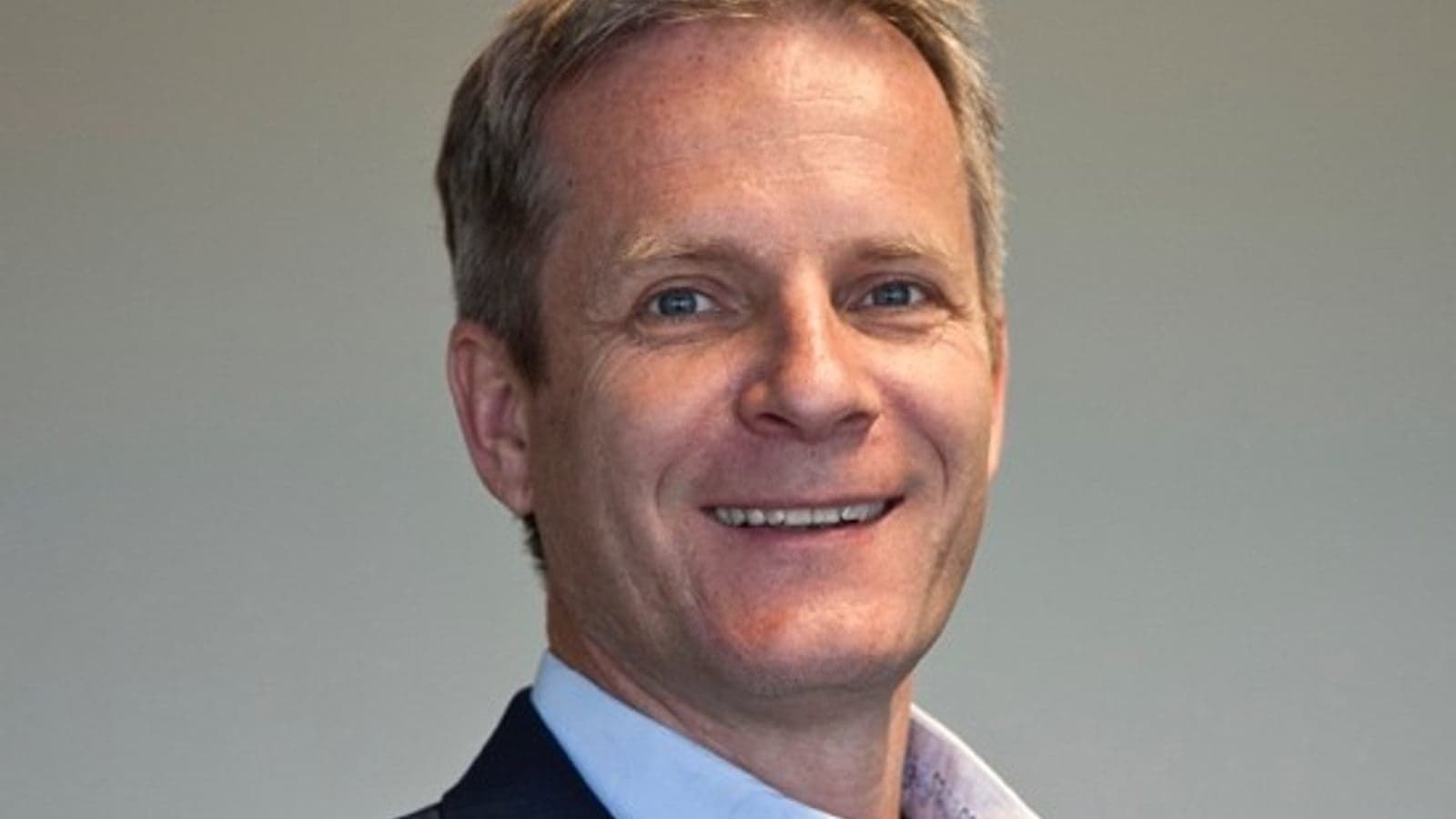
EU DSO Secretary General Peter Vermaat discusses the release of the grid plan, providing insights into key priorities for European nations.
The European Commission has recently unveiled the EU Grid Action Plan, marking a significant milestone in efforts to enhance grid infrastructure and monitoring systems across member states. During an exclusive interview at Enlit Europe 2023, EU DSO Secretary General Peter Vermaat discusses the release of the plan, providing insights into key priorities for European nations.
Vermaat states how the release of the plan illustrates the grids as centre stage for the next steps in the energy transition, providing guidance on which priorities to work on for a stable and reliable power grid system, particularly for distribution system operators (DSOs).
“Everybody is aware we need to invest heavily in the grids. For instance, for DSOs only in the 10 years to come it will be €400 billion ($439 billion).
“One of the priorities in the framework of the action plan is to work on smoothening regulation to have anticipatory investments and to have good revenue systems for the investments.”
Vermaat adds that, additionally, there is a need to expedite permitting processes, ensuring the timely execution of projects. Access to funding is identified as another key consideration, urging concerted efforts to secure financial resources for grid development.
Equally significant is the optimization of existing grids, by “having further insights into capacity to make sure that we optimise the use of the grids for both servicing demand and supply.”
The release of the EU grid action plan signals the criticality of grid stability for net zero, begging the question of whether or not the EU’s distribution grid is ready for a net zero scenario.
According to Vermaat, although a difficult question to answer, “if you look into it, DSOs are truly in action mode.
“Many of our members, from very small to very large, have already doubled their investments in the past few years but there is more to come.
“To the current situation and current conditions, we are working to the maximum effort to expand and smarten the grid; to optimise utilisation. But more is needed (…) and further optimising conditions will encourage and accelerate investment by DSOs.”
Have you read:
We don't know what the future of the grid looks like... yet
Grid resilience lessons from the frontline of climate change
When it comes to encouraging DSOs to invest in grid modernisation, Vermaat cites a multi-faceted approach.
Strategies include fostering knowledge exchange among DSOs across Europe, enabling them to learn from each other's experiences towards developing the grid of the future that will enable a carbon-neutral energy system.
Also important, he states, is working on regulatory conditions, aligning with the guidelines provided by the EU grid action plan and participating in initiatives like the development of network codes for demand response.
“It’s a combination of sharing knowledge and ideas and putting things into action in new regulation while stimulating DSOs to operationalise that in their respective countries. ‘
Grid of the future
When it comes to the grid of the future, one of the most anticipated developments has been that of a digital twin coordinated jointly by EU DSO and ENTSO-E, the respective associations of Europe’s distribution and transmission system operators.
Commenting on its development, Vermaat states how the digital twin “is a true cooperation between TSOs and DSOs, which is important because we always need and integrated view.
“The project has a focus on two tracks (…) the digital twin as a model, a virtual representation of the grid to be developed, and it will develop a set of smart grid indicators, as we call them, to encourage DSOs to invest in the digitisation of the grid.
“The grid indicators precede in a way the further development of the digitisation of the digital twin, because we have a wide variety of positions where DSOs are - some are very advanced; some are in starting mode.
“It's important to encourage with guidance from the indicators, together with regulators, to do good investments. And once the investments are there and we are able to collect old data, we can build further to the digital twin, which will have various levels of maturity, (including) a simple representation of the grid, but you can also go all the way to automatically evaluating scenarios, to test the best investments.
“So (there is) a lot of work to do, but we are happy to start on that and work on it in the years to come.”
Watch the rest of the interview with Peter Vermaat for his insights into the recently-announced Joint Working Group on Data Interoperability, what their role will be going forward, as well as the challenges that yet persist against grid stability.