Europe Energy Briefs: Cross-border interconnections to underpin energy union
Jonathan Spencer Jones
Posted on: 15 September 2025
New cross-border renewables projects and funding are set to strengthen Europe’s energy security and the achievement of the ‘energy union’ to meet the 2030 climate targets.
New cross-border renewables projects and funding are set to strengthen Europe’s energy security and the achievement of the ‘energy union’ to meet the 2030 climate targets.
Cross-border interconnections in continental energy systems have been in use for over 100 years – the first was introduced between France, Switzerland and Italy in 1921 – enabling electricity to flow according to the patterns of supply and demand and its pricing.
In Europe their introduction grew in the latter part of the 20th century and was accelerated with initiatives such as the ‘projects of common interest’ (PCI). As an example of their benefit recovery after the April blackout in Iberia was accelerated with the availability of electricity through the interconnections with France and Morocco.
The PCI/PMI listing is significant in opening up the potential for a range of benefits, including special funding.
Also of interest
EU Energy Projects Podcast: Flexibility is the quiet superpower of Europe’s energy transition
Another lesser known initiative with similar funding benefits is the ‘cross border renewables’ (CB-RES) programme, with three projects named in 2022, two in 2023 and three in 2024.
Now another five projects have been added to the list, opening the way for funding support.
The Liivi Bay offshore wind farm project aims to deliver a 1GW offshore wind farm in the Baltic Sea. To be built in Estonian waters in the Gulf of Riga, it will be radially connected to the Estonian national grid with electricity generation expected to start from 2031.
The Utilitas Eleja-Jonišķis wind park spanning across the Latvian-Lithuanian border will reach 200MW of installed capacity from 2028, offering a strong boost to renewable energy supply in both countries. The project is strategically located to connect to the 330kV Viskaļi–Mūša transmission line.
The ‘Comprehensive Offshore Renewable Energy Studies’ (CORES) project is planned to pave the way towards unlocking up to 10GW of floating offshore wind capacity in Portugal in a cooperation with Luxembourg. It will assess offshore wind zones, grid reinforcements and auction models as well as fostering collaboration around green hydrogen, port infrastructure and energy system planning.
The Medlink renewable generation (MedGen) project aims to install 10GW of solar and wind capacity in Algeria and Tunisia, with dedicated battery storage systems. The intent (outside the scope of the CB RES project) is for two 2GW HVDC interconnectors to export up to 22.8TWh/year of clean electricity to Italy.
The ‘Twin Heat’ project will decarbonise the district heating systems of the twin cities Słubice in Poland and Frankfurt in Germany through the installation of renewable-based heating infrastructure, including biomass boilers and cross-border heat exchange. The project is an example of thermal energy integration, contributing to lower emissions, cleaner air and increased energy efficiency in urban heating systems.
Bornholm Energy Island
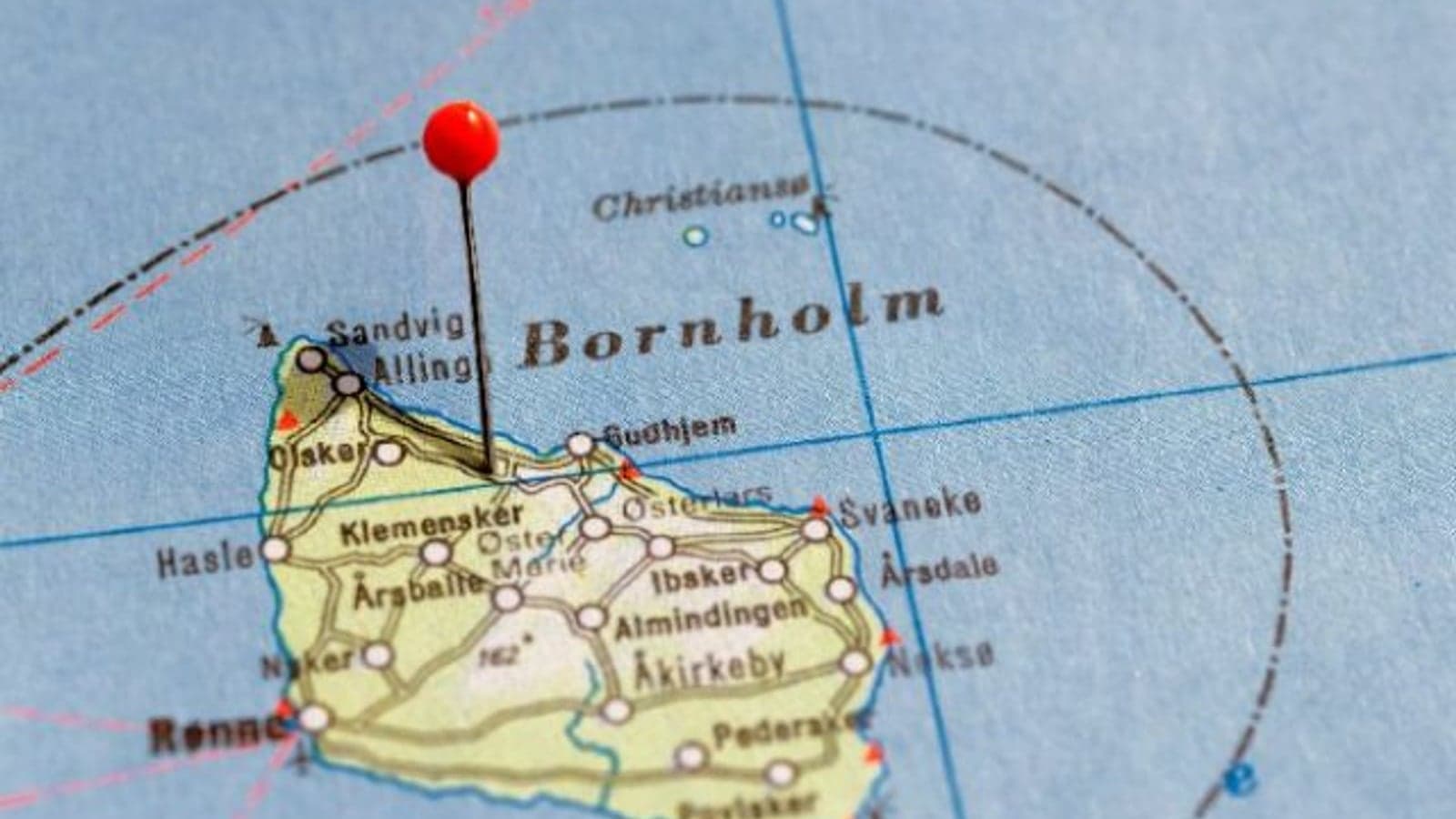
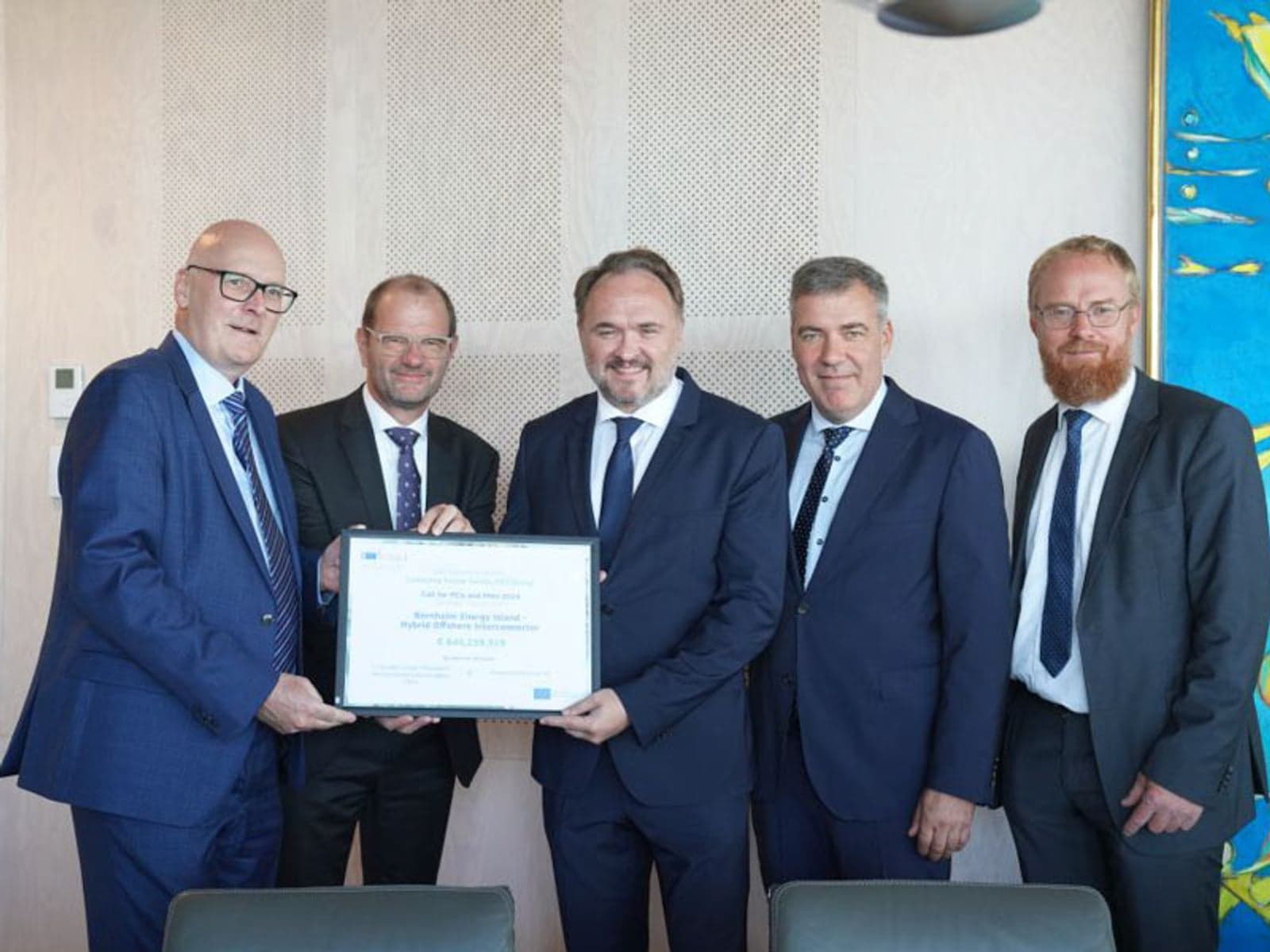
As an example of these initiatives in action, Bornholm Energy Island – a PCI in the 2023 list and one of the CB RES projects named in 2024 – has been awarded €645 million ($752 million) in funding from the EU’s Connecting Europe Facility.
Bornholm Energy Island is a joint project between the Danish TSO Energinet and German TSO 50Hertz to establish a power hub on the island of Bornholm, centralising electricity generated from two offshore wind farms in the Baltic sea for supply of a planned 3GW to the two countries and beyond into Europe more widely.
The funding, which was awarded to Energinet, is intended for the construction of two new HV substations, one on Bornholm and one in Zealand, and the installation of an approximately 200km submarine cable system complemented by a 17km onshore connection between Zealand and Bornholm.
The suppliers are Siemens Energy for the two substations as well as for four HVDC and one HVAC station and NKT for the cable connections, with the two companies also supplying the complementary equipment for the 165km connection from Bornholm to northern Germany.
Commissioner for Energy and Housing, Dan Jørgensen, who was a participant in the signing of the CEF funding, described the project as a blueprint for future offshore power development in the EU.
“Not only will it help integrate renewable energy and decarbonise our system. Crucially, it will boost the competitiveness of the sector while providing cleaner and cheaper energy to millions of European consumers across borders.”
He also committed the Commission to keep doing its utmost to support innovative infrastructure projects “that make the energy transition happen on the ground”.
The Bornholm Energy Island project is slated as the world’s first hybrid DC interconnector.
Other energy islands are planned, particularly artificial islands in the North Sea, where numerous wind farms are in various stages of development. Construction has started on the first, Princess Elisabeth Island in the Belgian North Sea.