Europe has ‘lost clean energy leader status to emerging markets’
Kelvin Ross
Posted on: 7 October 2025
A report into global electricity trends is a wake-up call to Europe that it has lost its clean energy first-mover status to emerging markets.
A new report examining global electricity trends is a wake-up call to Europe that it has lost its clean energy first-mover status to emerging markets.
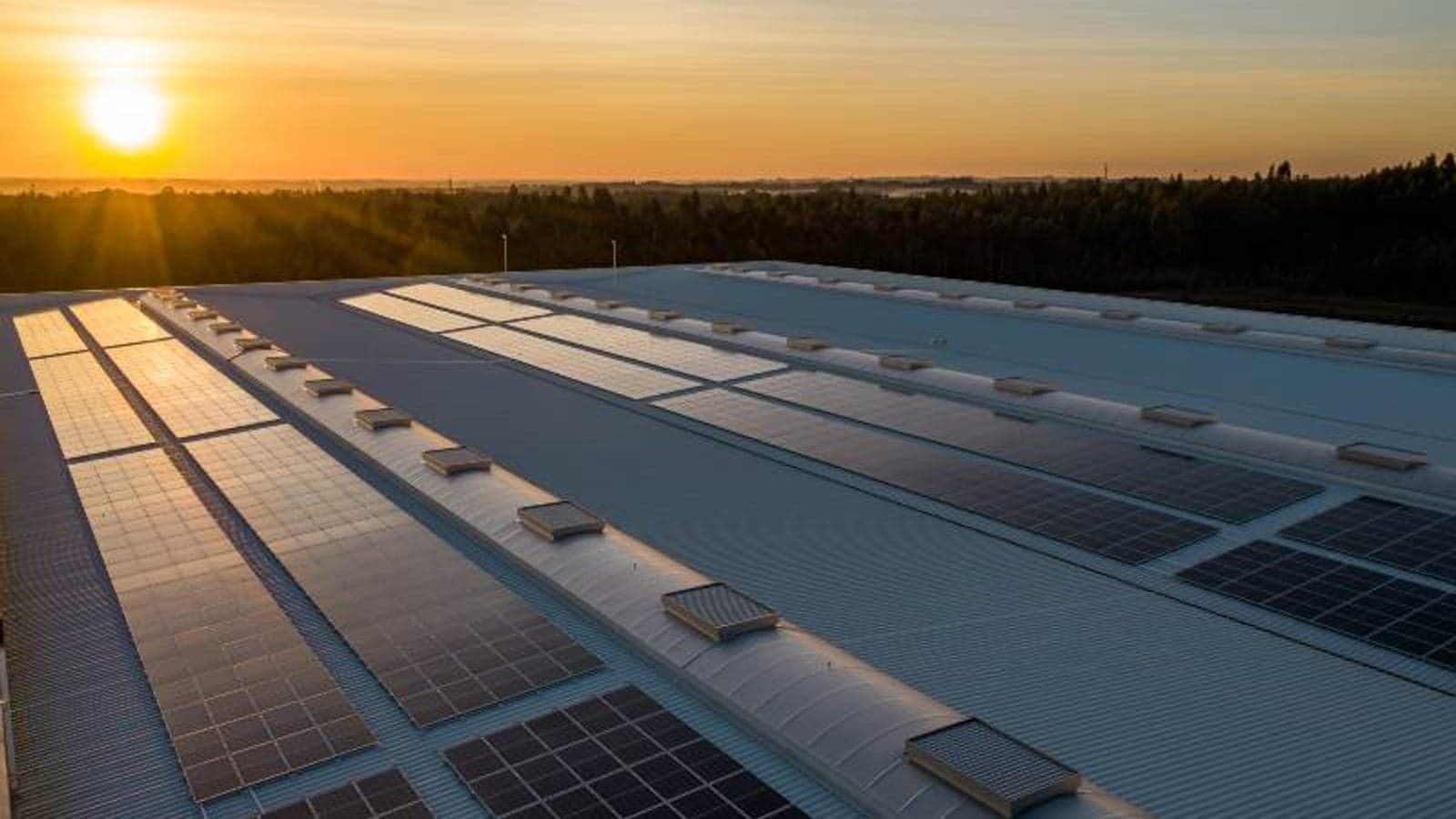
The study from Ember reveals solar and wind outpaced the growth in global electricity demand in the first half of 2025, resulting in a small decline in both coal and gas, compared to the same period last year.
Renewables supplied 5,072 TWh of global electricity, up from 4,709 TWh in the same period in 2024, overtaking coal at 4,896 TWh, down 31 TWh year-on-year.
China and India both saw renewable energy capacity boom, resulting in a knock-on effect of cutting fossil fuel generation.
Ember research highlights Spain’s gas reliance for grid services post-blackout
Geothermal boom will see capacity triple by 2030 says IEA
Grid bottlenecks keeping 1700GW of renewables ‘in the queue’
But despite growth from solar, the EU did not see the same effect, with weaker wind and hydro output leading to higher gas and coal generation.
''The EU, once a leader in clean electricity deployment, now loses to the emerging markets,” Kostantsa Rangelova, global electricity analyst at Ember told me.
Enlit Insights:
Report: Why Europe risks losing energy transition first-mover advantage
“The small rise in EU emissions, while a decline in emerging markets like China and India, is a reminder that this is now a global race for cheap, clean power.
“Solar power is surging across emerging economies, from China, India to Africa, and Europe must accelerate or risk falling behind.”
EU demand decrease
Ember found that the EU generated 8.8% (1,303 TWh) of global electricity and 4% (293 MtCO2) of the world’s power sector emissions in the first half of 2025.
In the same period, electricity demand increased slightly by 9 TWh (+0.7%), following a similarly low increase of 14 TWh (+1.1%) last year.
Solar generation grew by 37 TWh (+24%) in the first half of this year, compared with a 26 TWh (+21%) rise recorded last year. This lifted solar’s share of the electricity mix to 14%, up from 12%.
In June, solar was the single largest source of electricity, accounting for 22% of the bloc’s electricity mix.
However, wind generation fell by 21 TWh (-8.5%), compared with the 21 TWh (+9.3%) gain seen in the first half of 2024.
Poor wind conditions between January and April reduced its share of the electricity mix to 17%, down from 19% last year.
Hydro generation also fell by 33 TWh (-17%), compared with a 34 TWh (+21%) increase in the first six months of 2024. In the first half of 2025, droughts and heatwaves pushed hydro’s share down to 12%, from 15%. Bioenergy output dropped by 1.7 TWh (-3.2%), following a smaller decline of 0.8 TWh (-1.5%) last year.
Nuclear growth
Nuclear grew by 3 TWh (+1%), slightly lifting its share from 23.4% to 23.5% of the electricity mix. This was below the 9 TWh (+3%) growth recorded in the 2024 period, following two years of decline.
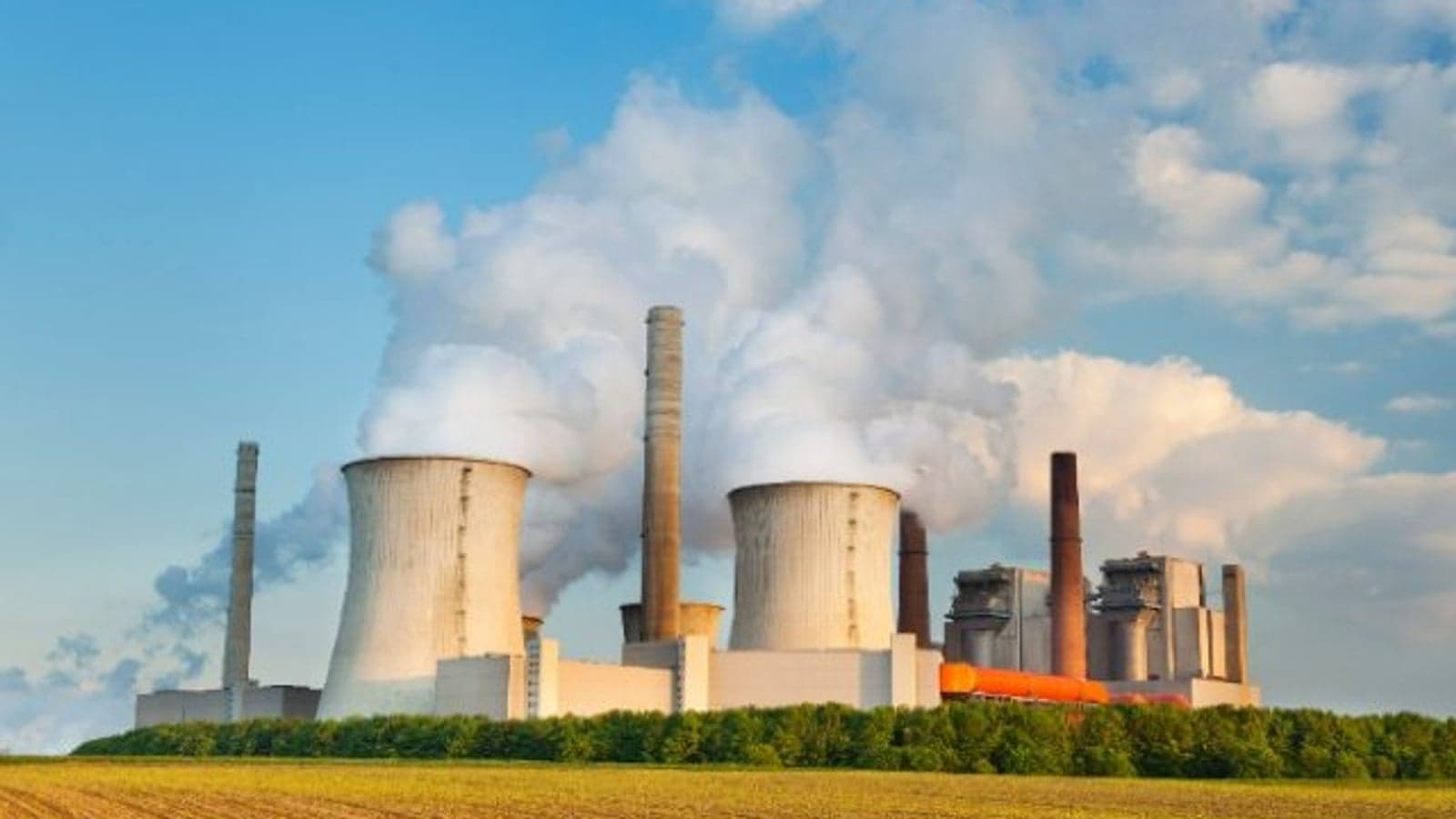
And as hydro and wind output fell, fossil fuel generation grew. Gas-fired generation increased by 25 TWh (+14%), compared with a 29 TWh (–14%) decline last year, raising its share of the mix to 16%, from 14% in the first half of 2024.
Coal maintained its share of 9.7% in the mix, growing by 1.4 TWh (+1.1%), in contrast to last year when it fell by 39 TWh (-24%). Other fossil fuels fell by 1.1 TWh (-3%), similar to a decline last year of 1.9 TWh (5.2%), slightly reducing their share of the electricity mix, from 2.7% to 2.6%.
As a result, the EU’s power sector emissions increased by 13 MtCO2 (+4.8%) in the first half of 2025.
Looking globally, however, Ember finds the results of its study to be a cause for optimism.
“We are seeing the first signs of a crucial turning point,” said senior electricity analyst Małgorzata Wiatros-Motyka.
“Solar and wind are now growing fast enough to meet the world’s growing appetite for electricity. This marks the beginning of a shift where clean power is keeping pace with demand growth.”
She added that Europe “already has what it needs to move forward: more renewables, batteries and smarter grids. Acting faster will bring bigger economic and environmental gains.”