Fervo taps Baker Hughes equipment for Cape Station geothermal project
Power Engineering International
Posted on: 4 September 2025
Fervo Energy has selected Baker Hughes to design and deliver equipment for five Organic Rankine Cycle power plants at the Cape Station project.
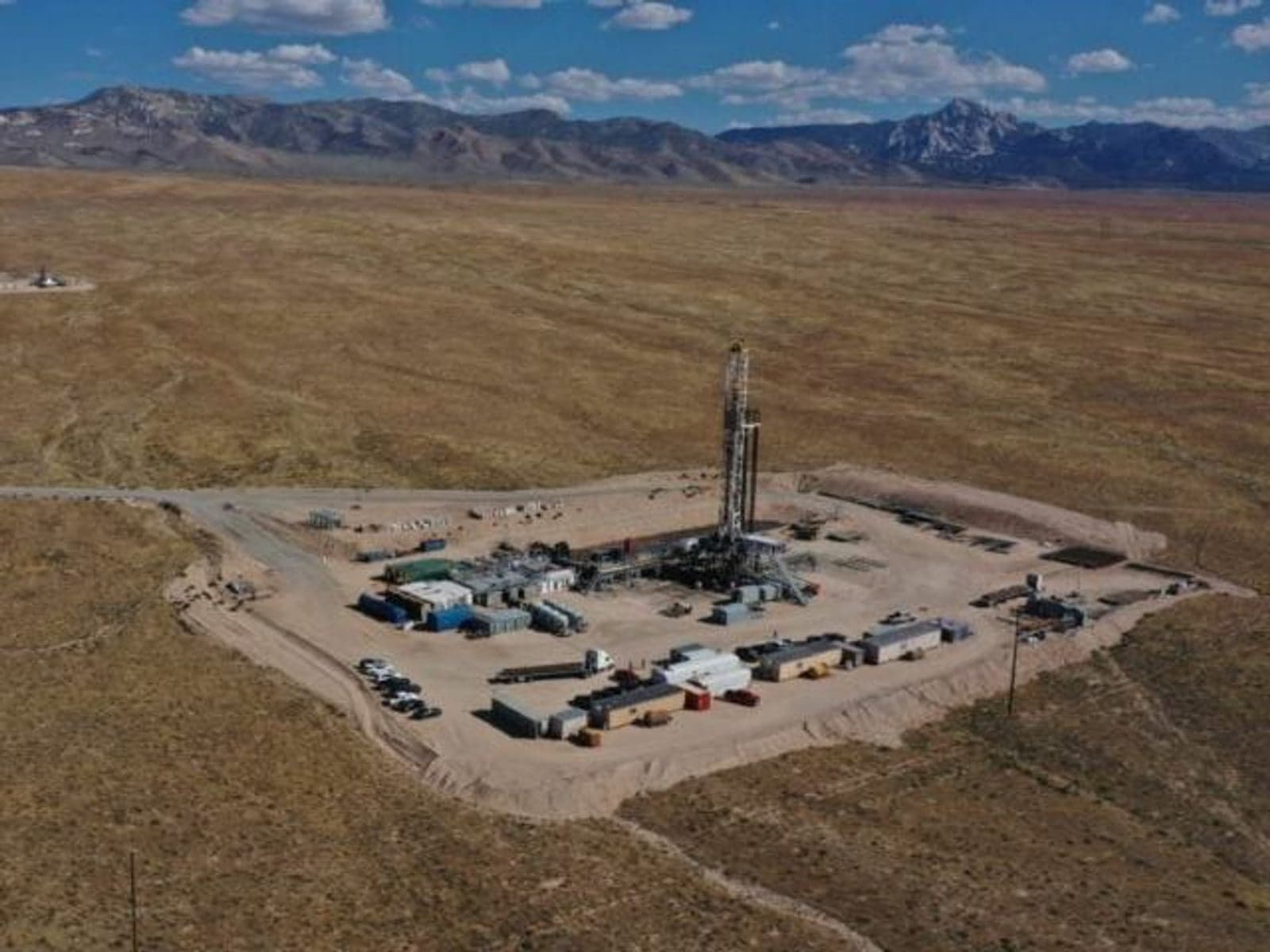
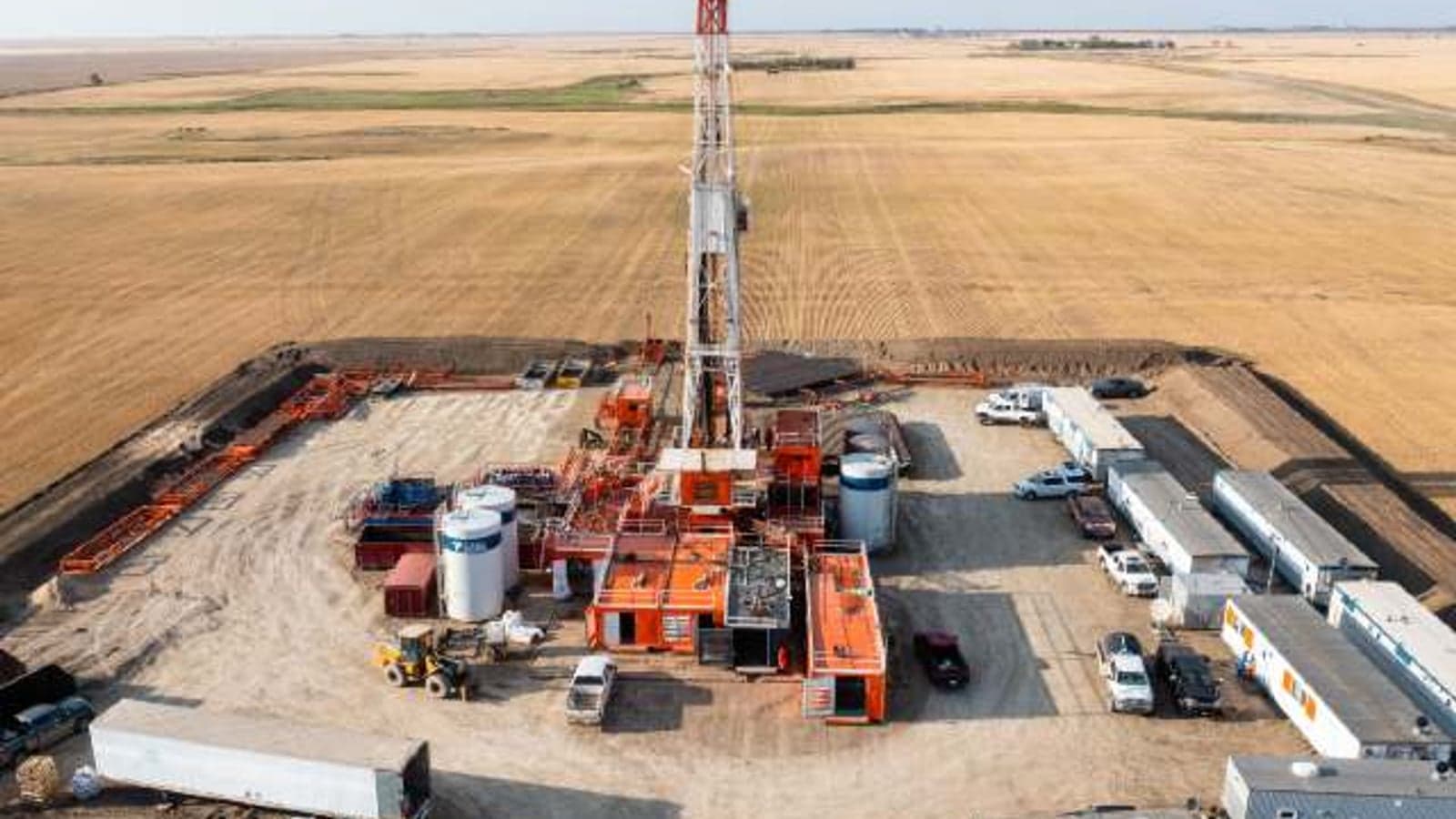
The next-gen geothermal team at Fervo Energy Company has selected energy technology company Baker Hughes to design and deliver equipment for five Organic Rankine Cycle (ORC) power plants at Fervo’s Cape Station power generation project near Milford, Utah in the US.
Once operational, the five Cape Phase II ORC plants will generate approximately 300MW of energy.
Baker Hughes’ equipment is designed to operate with Fervo’s enhanced geothermal systems (EGS), which the company argues results in a “fully integrated power plant.” The award is for Fervo-exclusive surface power generation equipment leveraging Baker Hughes’ geothermal solutions portfolio, which spans subsurface and production technology through to power generation solutions.
“Baker Hughes’ expertise and technology are ideal complements to the ongoing progress at Cape Station, which has been under construction and successfully meeting project milestones for almost two years,” said Tim Latimer, CEO and co-founder of Fervo Energy. “Fervo designed Cape Station to be a flagship development that’s scalable, repeatable, and a proof point that geothermal is ready to become a major source of reliable, carbon-free power in the U.S.”
Have you read?
University of York launches geothermal ‘living lab’ project
Google Cloud partnership to scale geothermal globally
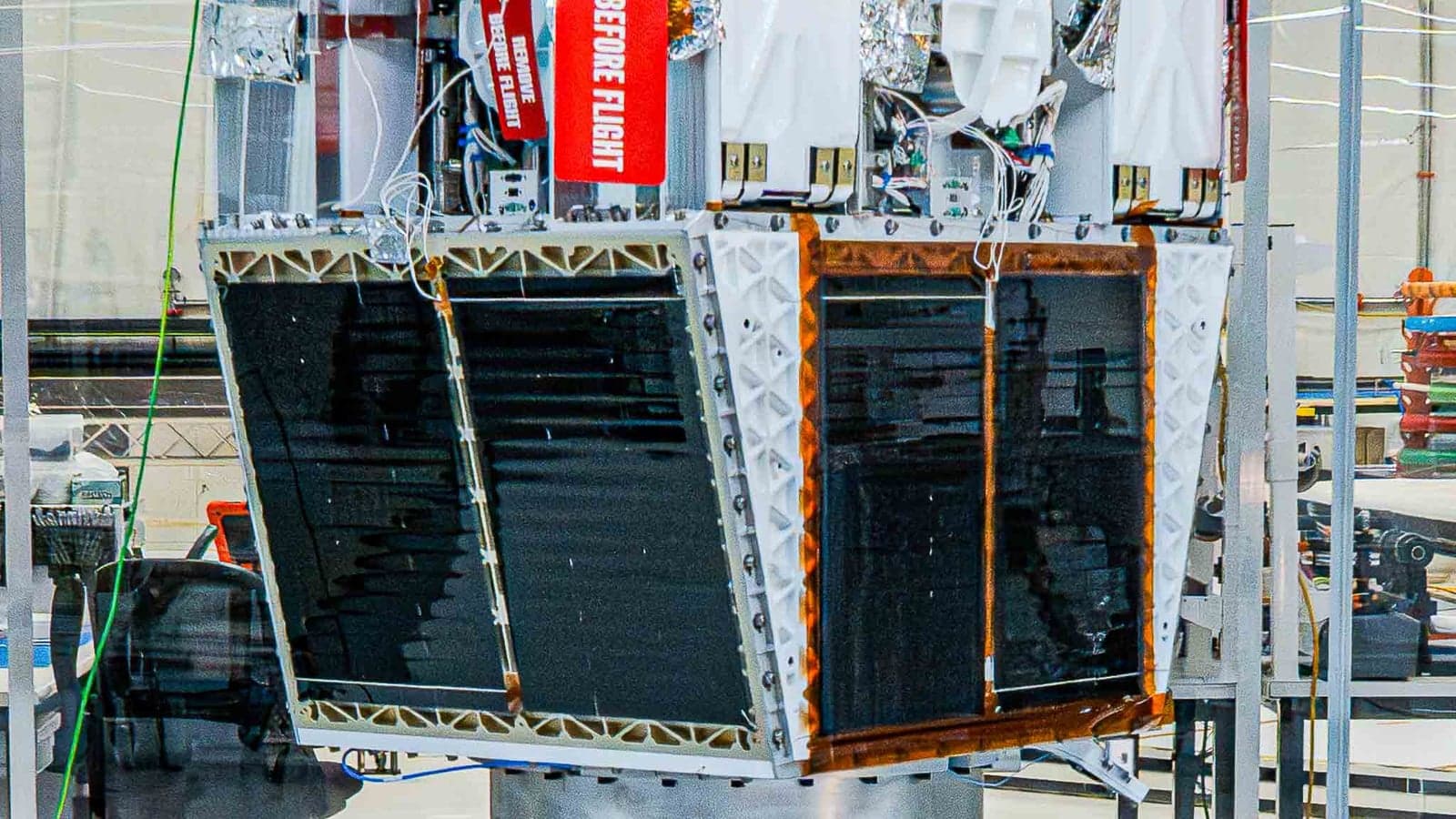
Baker Hughes’ engineering and equipment scope for the project includes design and delivery of equipment for five 60MWe ORC units, including the engineering, manufacturing, and supply of turboexpanders and the BRUSH Power Generation generator.
The order, to be booked under the Industrial & Energy Technology segment of Baker Hughes, follows previous awards from Fervo Energy for subsurface drilling and production technologies from the company’s Oilfield Services & Equipment business.
“Geothermal power is one of several renewable energy sources expanding globally and proving to be a vital contributor to advancing sustainable energy development,” stated Baker Hughes chairman and CEO Lorenzo Simonelli. “By working with a leader like Fervo Energy and leveraging our comprehensive portfolio of technology solutions, we are supporting the scaling of lower-carbon power solutions that are integral to meet growing global energy demand.”
Cape Station is the world’s largest enhanced geothermal systems (EGS) development and is expected to begin delivering electricity to the grid in 2026. The project includes Cape Station Phase I, which is poised to deliver 100MW of baseload clean power to the grid beginning in 2026, as well as Cape Station Phase II, which will generate an additional 400MW and come online by 2028. The full Cape Station development has received permitting approval for up to 2GW of reliable and renewable energy.
The project is an enhanced geothermal system that produces energy by injecting water into hot subsurface rock formations and then extracting the heated water to generate electricity, rather than depending on naturally occurring underground hot water like traditional geothermal systems. If fully developed, the project will cover approximately 631 acres, including 148 acres on public lands.
Utah is home to immense geothermal potential. Researchers estimate that the southwest portion of the state contains more than 10GW of high-quality geothermal reserves. Additionally, Cape Station will benefit from the Department of Energy’s Frontier Observatory for Research in Geothermal Energy (FORGE). Over the last several years, FORGE has completed research that has advanced geothermal development in the region.
The United States boasts roughly 3,900MW of installed geothermal, about one-quarter of the world’s total capacity. Most of it is in California (66.6% of 2023 total US geothermal generation) and Nevada (26.1%), with smaller concentrations of development in Utah (3.2%), Hawai’i (2.1%), Oregon (1.3%), Idaho (.5%), and New Mexico (.2%).
Originally published in Factor This