US greenlights Fervo Cape Geothermal power project
Power Engineering International
Posted on: 22 October 2024
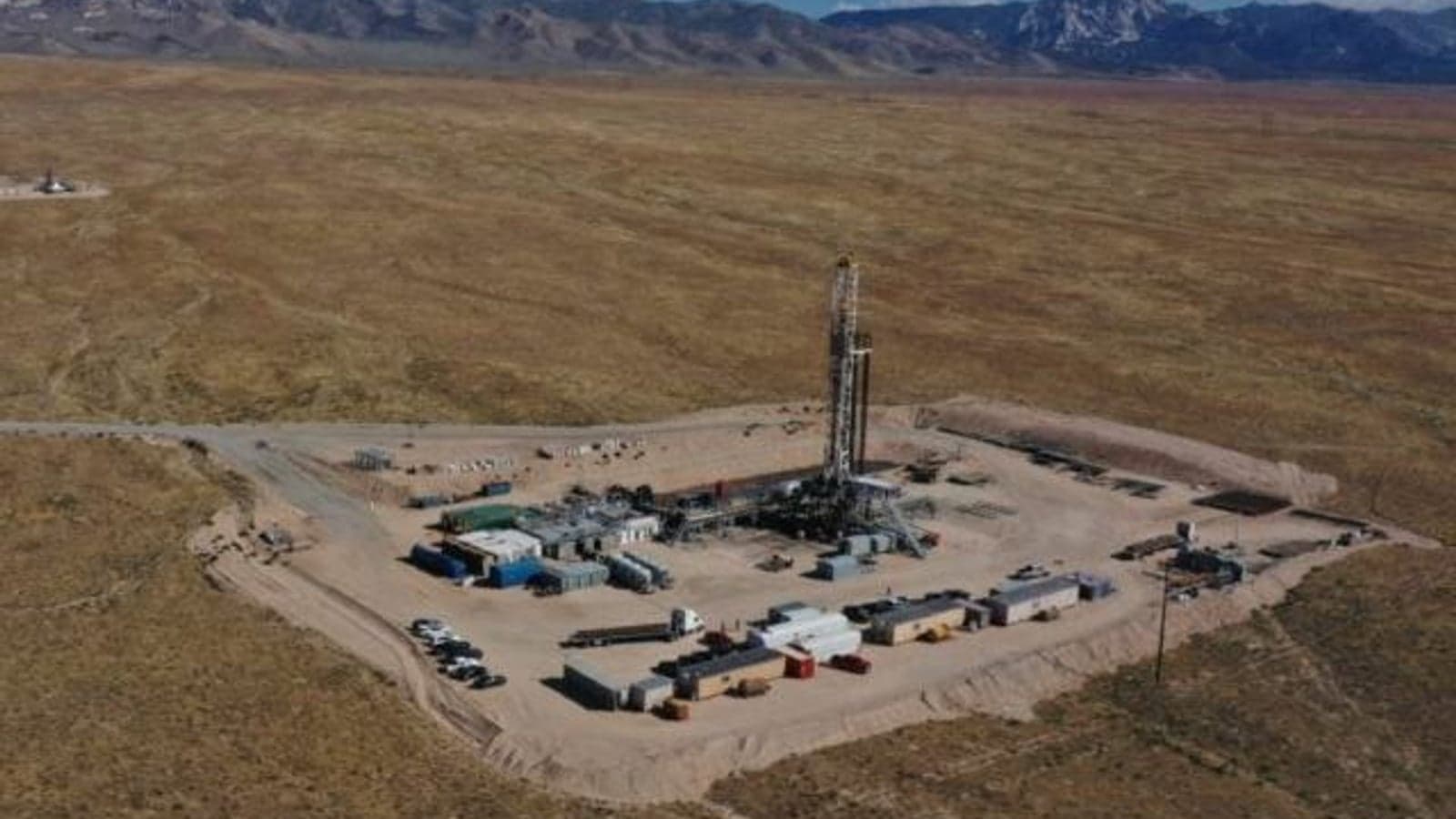
The US Bureau of Land Management (BLM) has approved the Fervo Cape Geothermal Power Project in Beaver County, Utah.
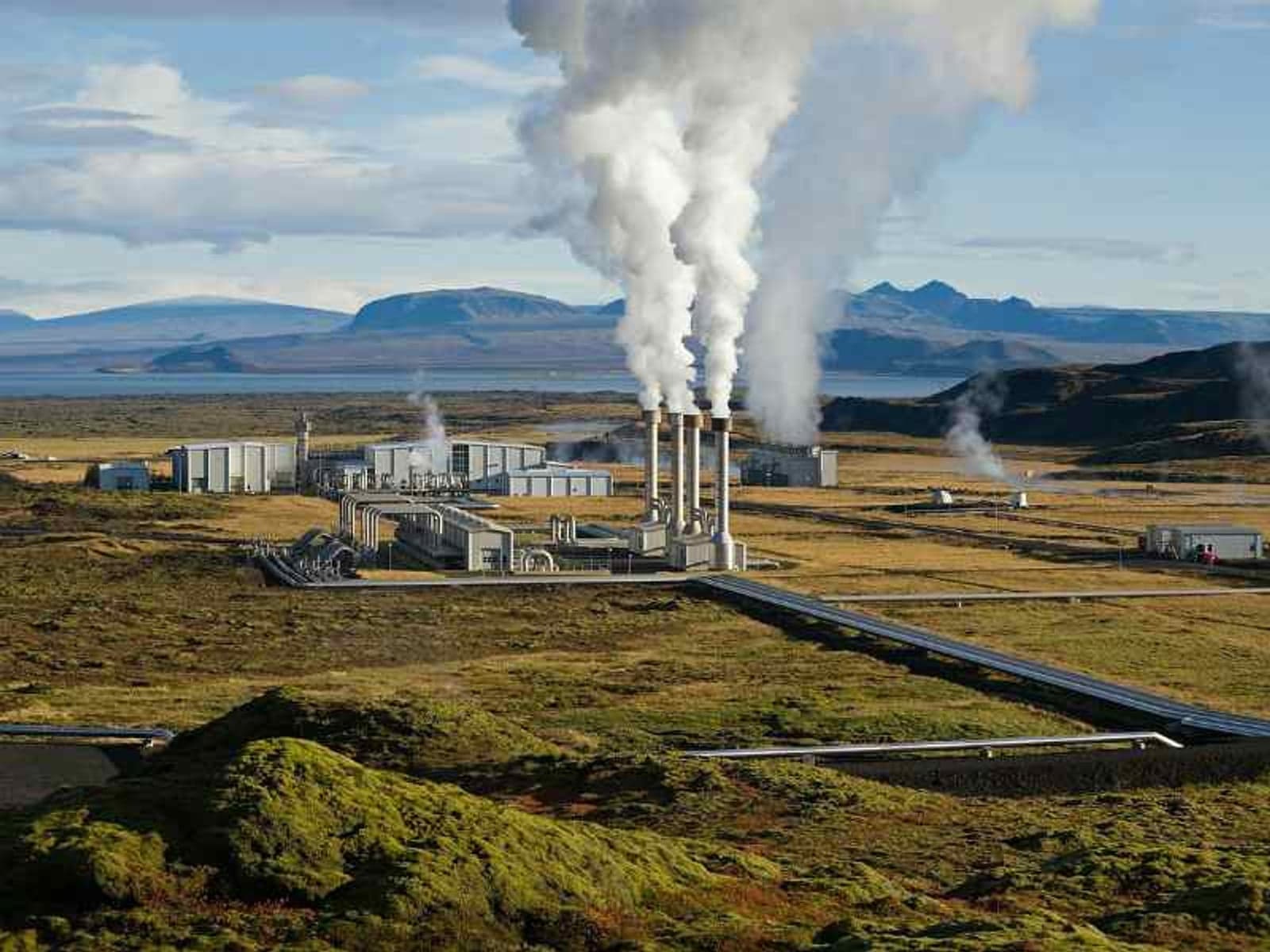
The US Department of the Interior has announced that the Bureau of Land Management (BLM) has approved the Fervo Cape Geothermal power project in Beaver County, Utah.
The project will generate up to 2GW of baseload power that, if fully developed, is enough to supply over 2 million homes.
The Fervo Cape Geothermal project uses an enhanced geothermal system that produces energy by injecting water into hot subsurface rock formations and then extracts the heated water to generate electricity.
With this approval, the BLM has approved nearly 32GW of clean energy projects on public lands.
“Geothermal energy is one of our greatest untapped clean energy resources on public lands,” said principal deputy assistant secretary for Land and Minerals Management Dr Steve Feldgus. “Today’s actions are part of the Department’s work to deliver on new opportunities, new technologies, and new solutions in geothermal energy that support the Biden-Harris administration’s commitment to create jobs, economic growth, and clean carbon-free electricity for communities throughout the West.”
Have you read?
Baseload Capital welcomes Kristín Vala Matthíasdóttir as new CTO
Meta and Sage team up to feed data centers with geothermal
Together with this announcement, the BLM is also proposing a new categorical exclusion (CX) that would help accelerate the discovery of new geothermal resources.
The CX would apply to geothermal resource confirmation operations plans of up to 20 acres, which can include drilling wells, such as core drilling, temperature gradient wells, and/or resource wells.
This would be to confirm the existence of a geothermal resource, to improve injection support, or to demonstrate connections between wells. It will be published in the Federal Register in the coming days to begin a 30-day public comment period.
The permitting proposal would help accelerate the discovery of new geothermal resources throughout the West, especially in states like Nevada, home to some of the largest undeveloped geothermal potential in the country.
Currently, geothermal developers must conduct two separate environmental reviews: one for initial exploration drilling and another to fully test the geothermal resource, even if both have similar environmental impacts. The proposal would apply only to geothermal resource confirmation operations on public lands and split estates.
Further geothermal development would still require additional environmental analysis. Based on previous DOE analysis, these permitting actions could significantly reduce permitting timelines and capital costs of geothermal deployment.