Gas and renewables combined hold the key to a faster energy transition
Power Engineering International
Posted on: 16 December 2020
Accelerated and strategic deployment of renewables and gas power can change the trajectory for climate change, enabling quick and substantive reductions in emissions, while continuing to advance the technologies for low carbon power generation.
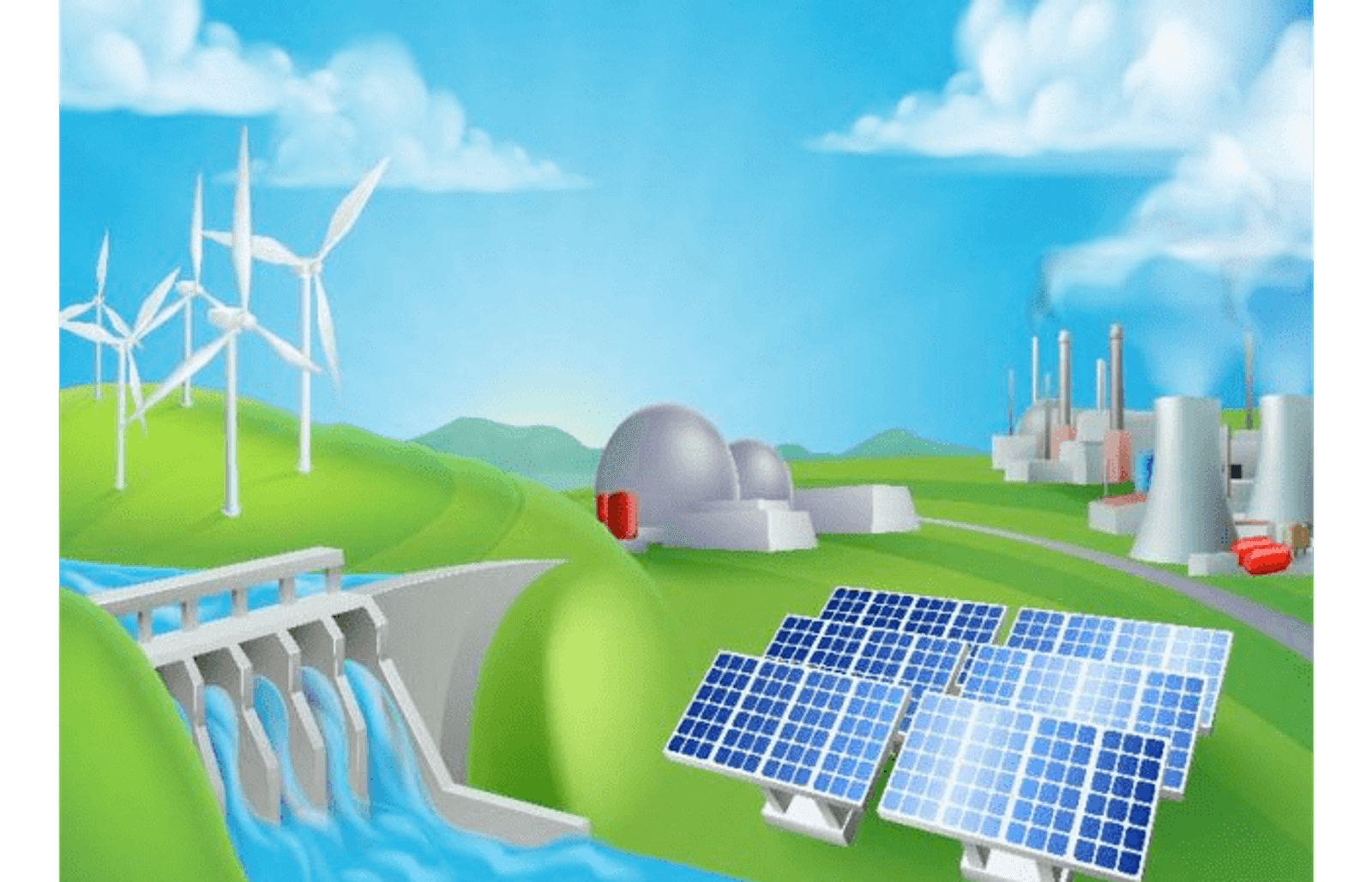
Accelerated and strategic deployment of renewables and gas power can change the trajectory for climate change, enabling quick and substantive reductions in emissions, while continuing to advance the technologies for low carbon power generation.
This is according to the latest white paper release by GE, entitled Accelerated Growth of Renewables and Gas Power Can Rapidly Change the Trajectory on Climate Change.
GE states that the power industry has a responsibility and the technical capability to take significant steps to quickly reduce greenhouse gas emissions and help address climate change at scale.
The solution for the power sector is not an either/or proposition between renewables and natural gas, but rather a multi-pronged approach to decarbonisation with renewables and natural gas power at its core.
The paper emphasises the following:
- Addressing climate change must be an urgent global priority, requiring global action
- Additional renewable energy with natural gas, which has the benefits of flexibility and dependable capacity, is the most effective near-term solution to reduce carbon emissions in the energy sector
- Even with rapid growth, renewable energy production is not occurring at a fast-enough pace or scale to deliver the CO2 reductions needed to fight climate change
- Gas power is an affordable, efficient and dispatchable means to complement renewables, with less than 50% of the CO2 emissions compared to coal
- To impact the trajectory of climate change globally, we need accelerated, strategic deployment of renewables and gas power.