GB’s CASSIOPeiA space-based solar concept validated
Jonathan Spencer Jones
Posted on: 9 February 2024
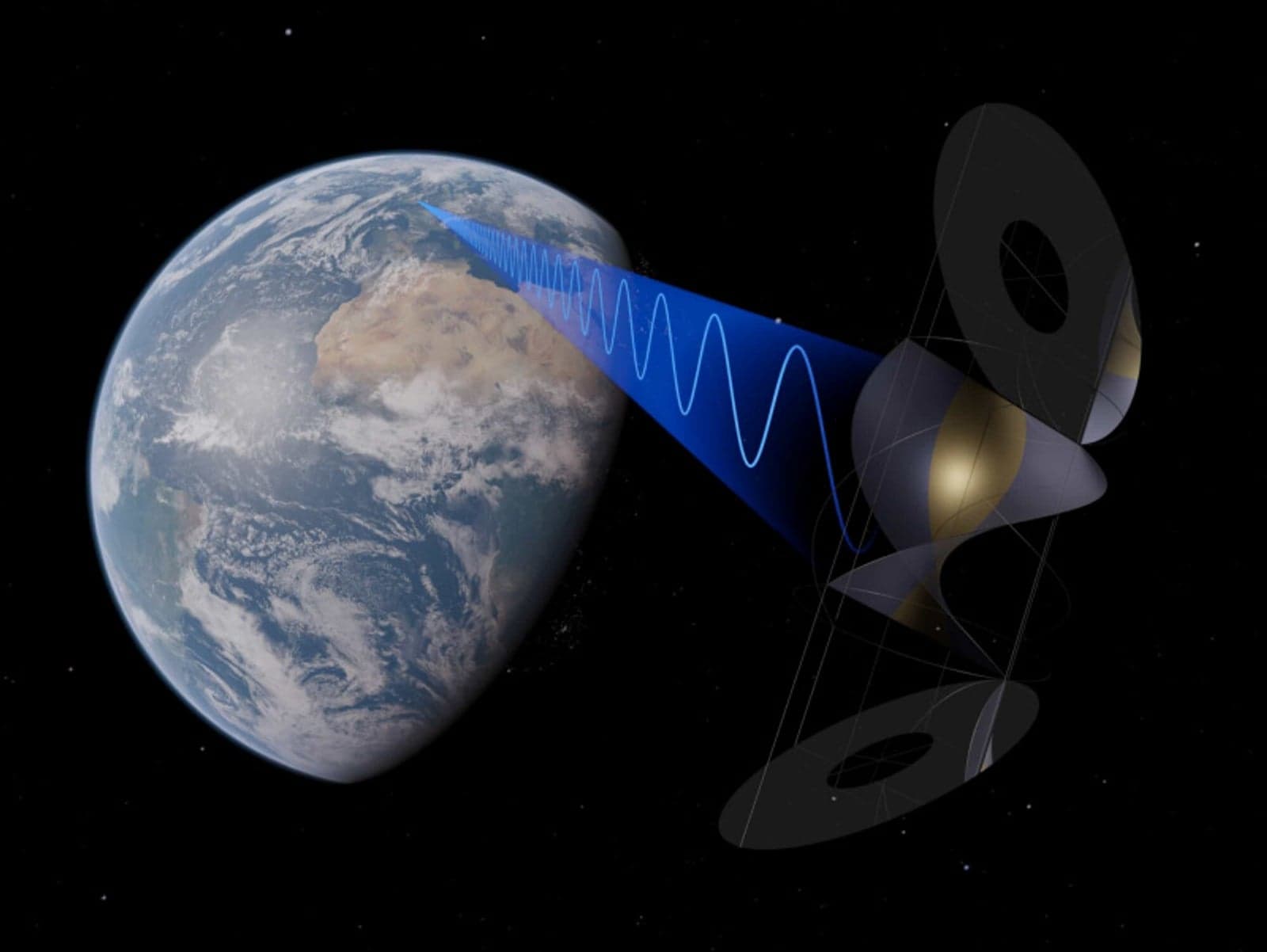
British space-based solar company Space Solar has announced the performance characteristics for its CASSIOPeiA concept have been confirmed in a new study.
British space-based solar company Space Solar has announced the performance characteristics for its CASSIOPeiA concept have been confirmed in a new study.
The study, which forms part of the ongoing development of CASSIOPeiA, was undertaken with Frazer-Nash Consultancy to further advance the design, both at the satellite and ground levels, and to confirm the priority areas for the next stage of development.
In particular, the study has established the baseline design in critical areas of structure, thermal management, attitude and orbit control, photovoltaics and light path, with the performance and mass targets met, Space Solar has reported.
“This study is a major step forward in the development of our space-based solar power system,” commented Sam Adlen, co-CEO at Space Solar.
Have you read?
Caltech’s space-based solar mission demonstrates potential of low cost PV cells
Energy Transitions Podcast: Time to humanise energy
“With our design validated, we are now focussed on the next stage – developing the system and demonstrating the technology at increasing scale.”
The targets are an in-orbit demonstration within three years and meaningful power delivery from space within six years.
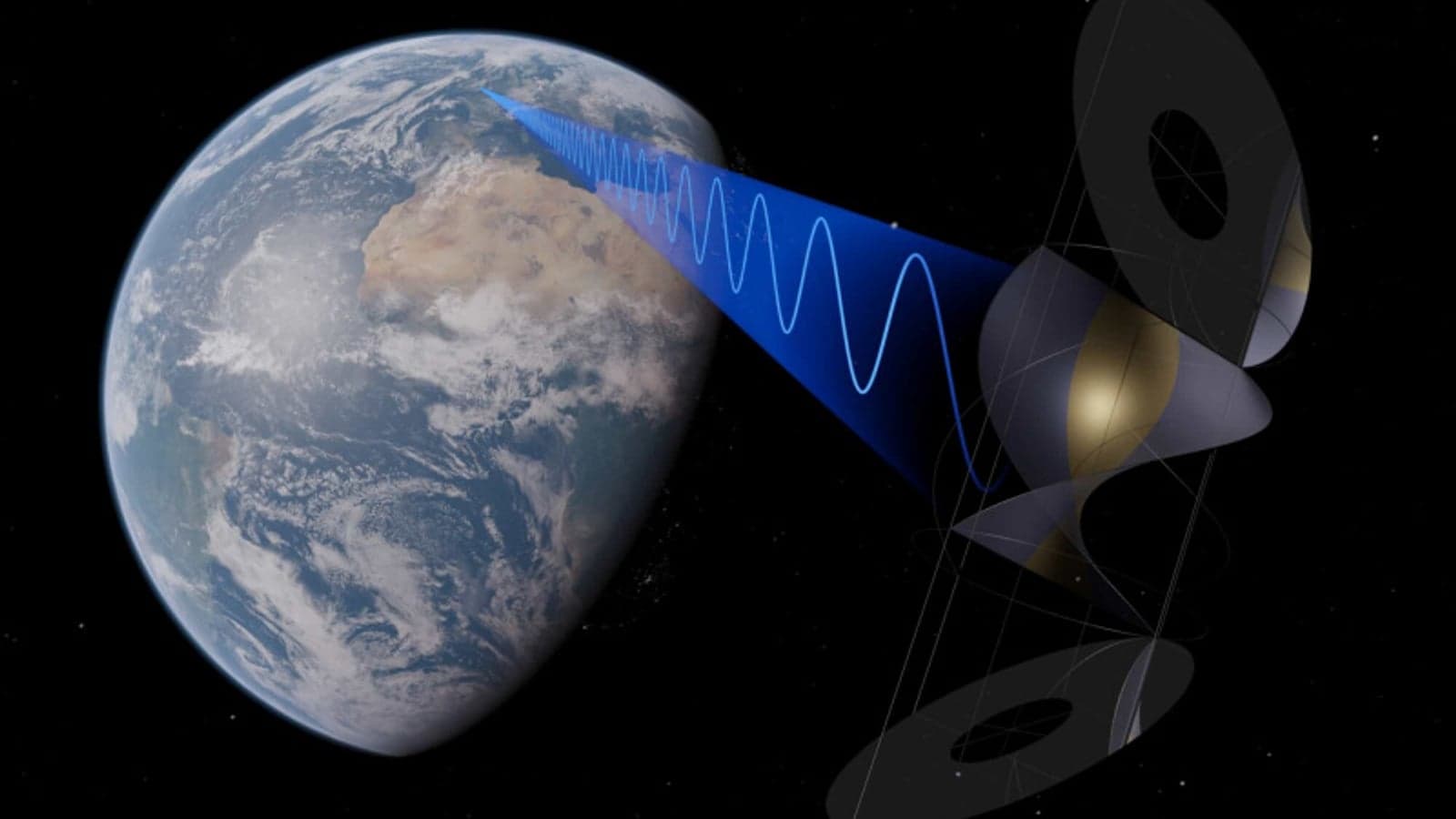
CASSIOPeiA, which was the subject of an initial feasibility study for the UK government by Frazer-Nash Consultancy, is a kilometre scale satellite in a geostationary orbit featuring lightweight solar panels and a system of mirrors to concentrate sunlight onto the helically arranged panels.
The electricity generated is converted into high frequency radio waves, which are beamed to a receiving antenna at a fixed point on the ground below, with an approximately 1.7km diameter satellite estimated to deliver 2GW to the grid.
Benefits of the design include the ability to deliver continuous power with control of the orientation of the satellite to the Sun and the ability to operate in a range of different orbits, as well as projected cost competitiveness with terrestrial renewables.
James Cornish, business manager at Frazer-Nash, which also has delivered studies for the European Space Agency’s Solaris concept, adds: “It is clear from out work that Space Solar’s solution is robust… We’re confident in Space Solar being able to start their development programme with good knowledge of the expected technical and economic performance of their products.”
Space Solar was established following the delivery of the feasibility study to the government to deliver the commercial development of space-based solar power.
In addition to Frazer-Nash, partnerships are in place with the Satellite Applications Catapult and the Thales-Leonardo JV Thales Alenia Space.