GE Vernova signs contract for solar plant in Turkey
Pamela Largue
Posted on: 28 May 2024
GE Vernova will supply its FLEXINVERTER solar power station| as well as design and engineering services| to Kalyon PV in Viranşehir| Turkey.
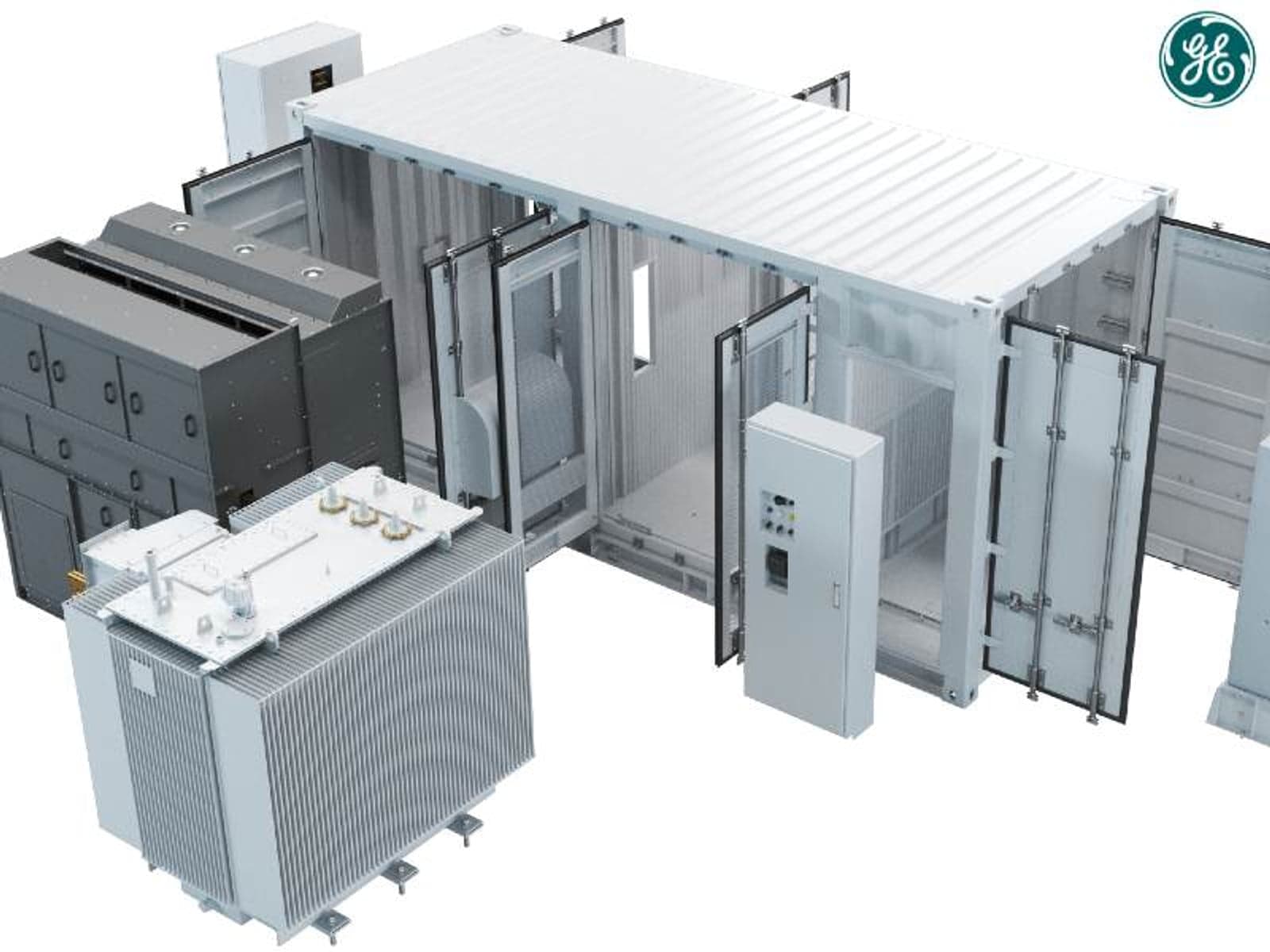
GE Vernova has signed a contract to supply its FLEXINVERTER solar power station, as well as design and engineering services, to Kalyon PV in Viranşehir, Turkey.
GE Vernova’s solar power station will power Kalyon Enerji’s 157MW solar PV factory, which has a 2GW annual production capacity.
According to a company statement, the deal will make Kalyon Enerji one of the first companies in Turkey to produce solar panels using 100% renewable electricity when commissioned.
Megi Gabriyel, region leader of solar & storage solutions, Middle East, Africa & Turkey at GE Vernova, commented on the announcement: "After having executed several Renewable Energy Resources Zones (YEKA) projects in Turkey, we are now focusing on industries that want to produce captive power at a utility scale for their self-consumption through PV projects, such as Kalyon PV’s solar power plant in Viranşehir, and renewable hybrid projects, including large scale storage."
Have you read?
Retired mining equipment gets second life in new solar plants
Solar as the key to achieving energy democracy in Africa
Inogen, GE Vernova’s regional solutions provider, will lead the construction and installation of the solar power station.
This is not the first collaboration between GE Vernoa and Kalyon Enerji. In 2023, the 1,347MWp Karapinar solar power plant in the Konya Karapinar province was commissioned. The plant, which also deployed the FLEXINVERTER solar technology, is Turkey’s largest single source of solar power to date according to GE Vernova.
According to the International Energy Agency, Turkey aims to commission 10GW of solar capacity between 2017 and 2027, with projections indicating a surge of approximately 500% to 52.9 GW by 2035.