GE Vernova to upgrade Rio Tinto’s Isle Maligne hydropower plant
Power Engineering International
Posted on: 26 June 2025
GE Vernova has secured an order from Rio Tinto to upgrade of eight turbine-alternator units at the Isle Maligne hydropower plant in Canada.
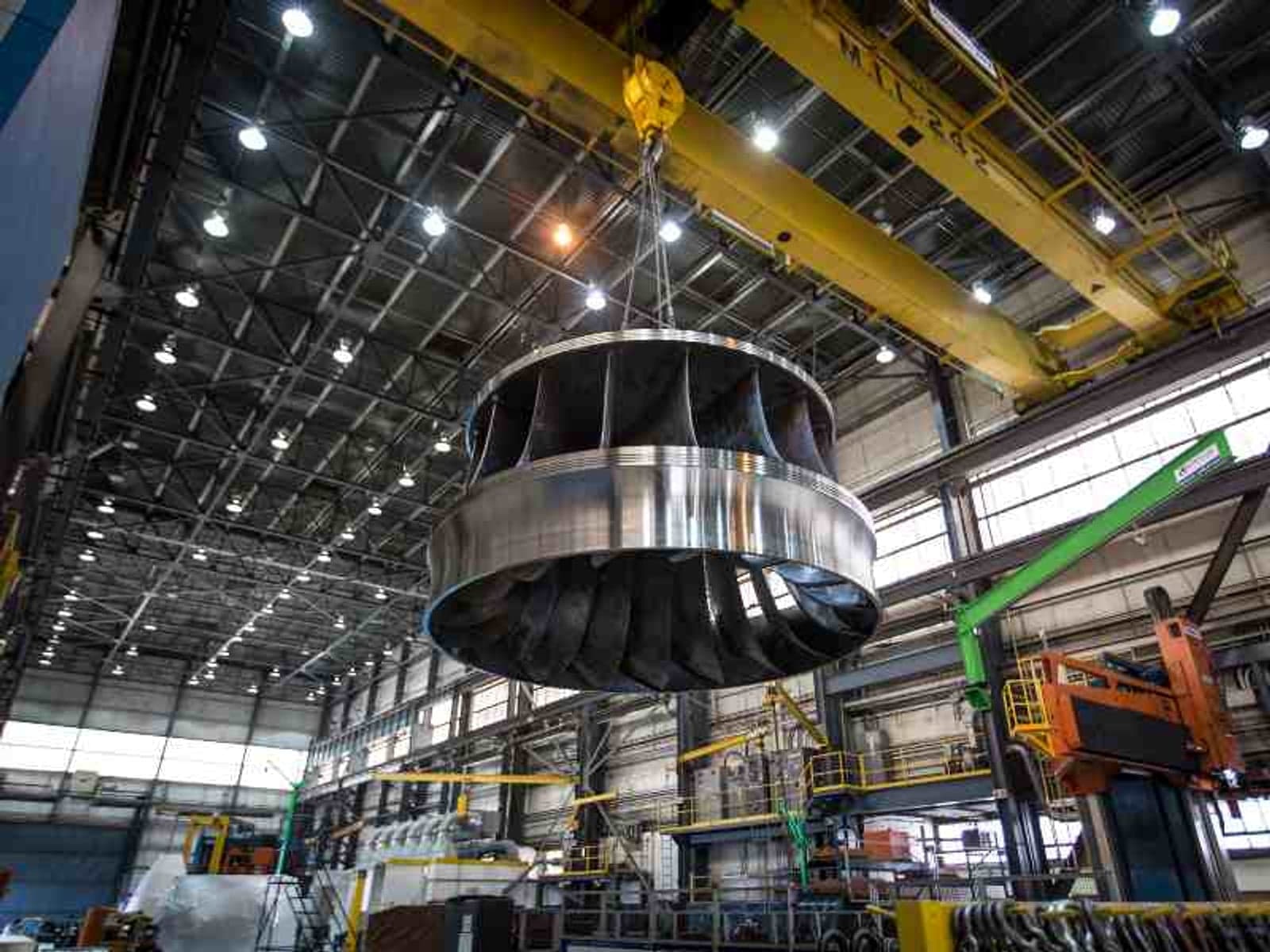
GE Vernova has secured an order from Rio Tinto for the upgrade of eight turbine-alternator units at the Isle Maligne hydropower plant in the Saguenay-Lac-Saint-Jean region of Quebec, Canada.
Rio Tinto, one of Canada's largest private producers of hydroelectricity, will use this project to help supply energy for its five low-carbon aluminum smelters facility in Saguenay – Lac-Saint-Jean.
The plant features twelve Francis hydropower units in total. The modernisation of this nearly 100-year-old hydropower plant is expected to enhance the performance of the units and their lifetime for decades to come.
Last year, under a previous agreement, GE Vernova modernised one generator at the Isle-Maligne plant. After that, a decision was made to modernise the remaining eight turbine-alternator units.
Have you read?
Maximising hydroelectric profitability with the UK’s Capacity Market
Voith wins contracts to modernise three hydro plants in Malaysia
The first unit modernisation is expected in 2026 and the last one by 2032.
The Isle Maligne hydropower plant project is the result of the longstanding collaboration between Rio Tinto and GE Vernova, which involved work on several hydropower plants located in the province of Quebec, Canada, such as Shipshaw.
Sébastien Ross, managing director for Atlantic Operations, Rio Tinto Aluminium commented in a statement: “The Isle-Maligne hydroelectric power plant has been a strategic asset for Rio Tinto for 100 years...This major investment to modernise our facilities will ensure the long-term future and competitivity of our low carbon aluminium production in Quebec for decades to come for our Canadian and American customers.’’
Frederic Ribieras, Hydro Power CEO, GE Vernova, added: “This modernisation project at the Isle Maligne plant is a testament of how we can achieve greater efficiency and performance without altering the core infrastructure. And, this long-term collaboration will be critical to help secure the supply chain in a capacity-constrained market, with pressure on the industry to execute on many projects.”
Hydropower supplies around 60% of Canada’s electricity needs, with the average age of hydropower plants in Canada being 53 years old.
By 2050, electricity demand is expected to double in the country. According to GE Vernova, modernising the existing hydropower fleet will be essential to meet that growing demand with clean and reliable power.