German smart metering start up gets funding boost from Octopus
Jonathan Spencer Jones
Posted on: 11 February 2026
Octopus Energy Generation has sunk €40 million into the Berlin-based smart metering point operator metiundo.
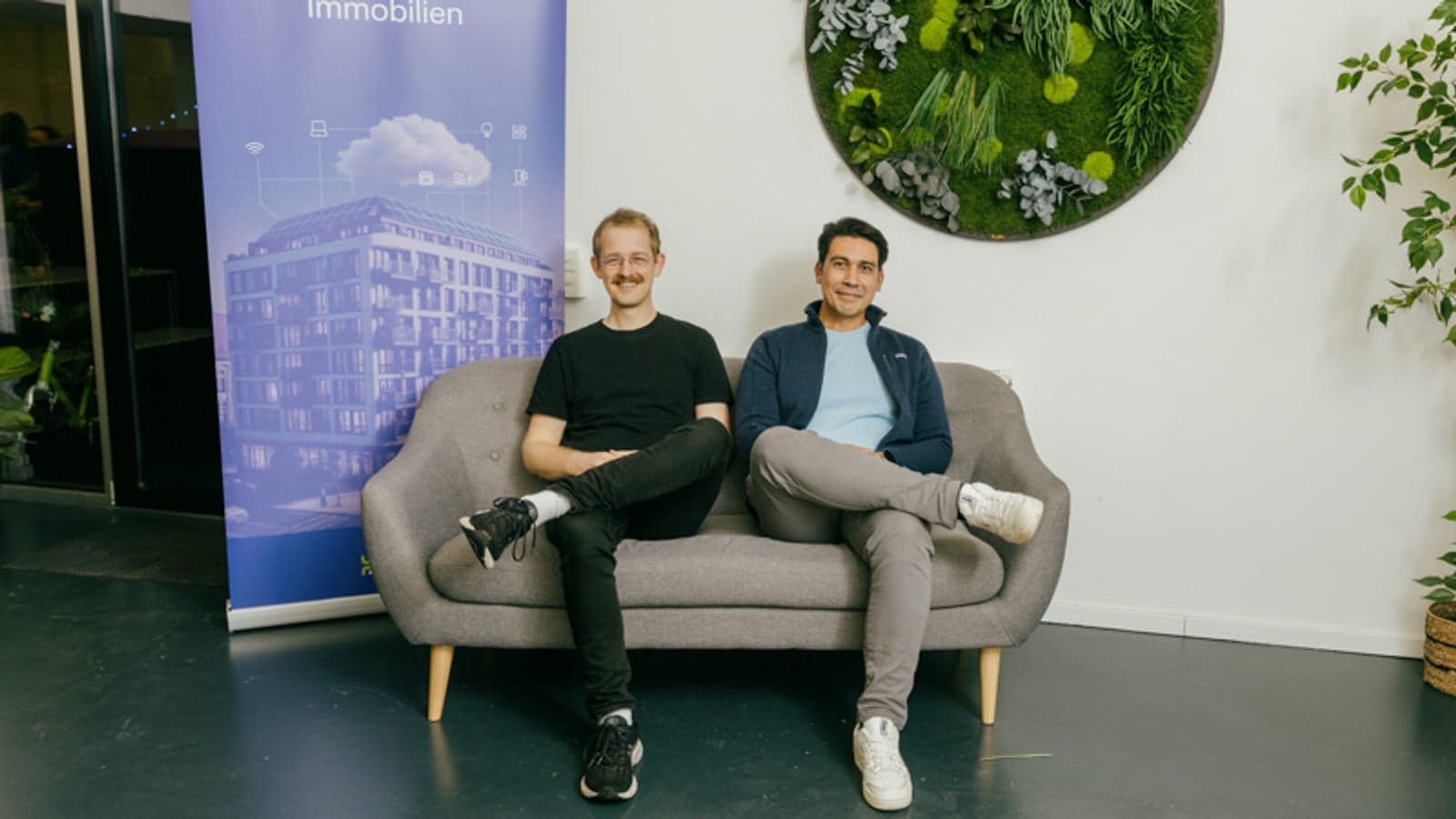
The series A funding, understood to be one of the largest such cleantech deals in recent months, is planned to enable energy scale-up metiundo to scale the rollout of its smart metering system with the further development of its proprietary software platform with data-driven solutions to boost the energy transition in the building sector.
This will include expansion of the installation and assembly team, with the recruitment of specialists, particularly for software development, installation and operations.
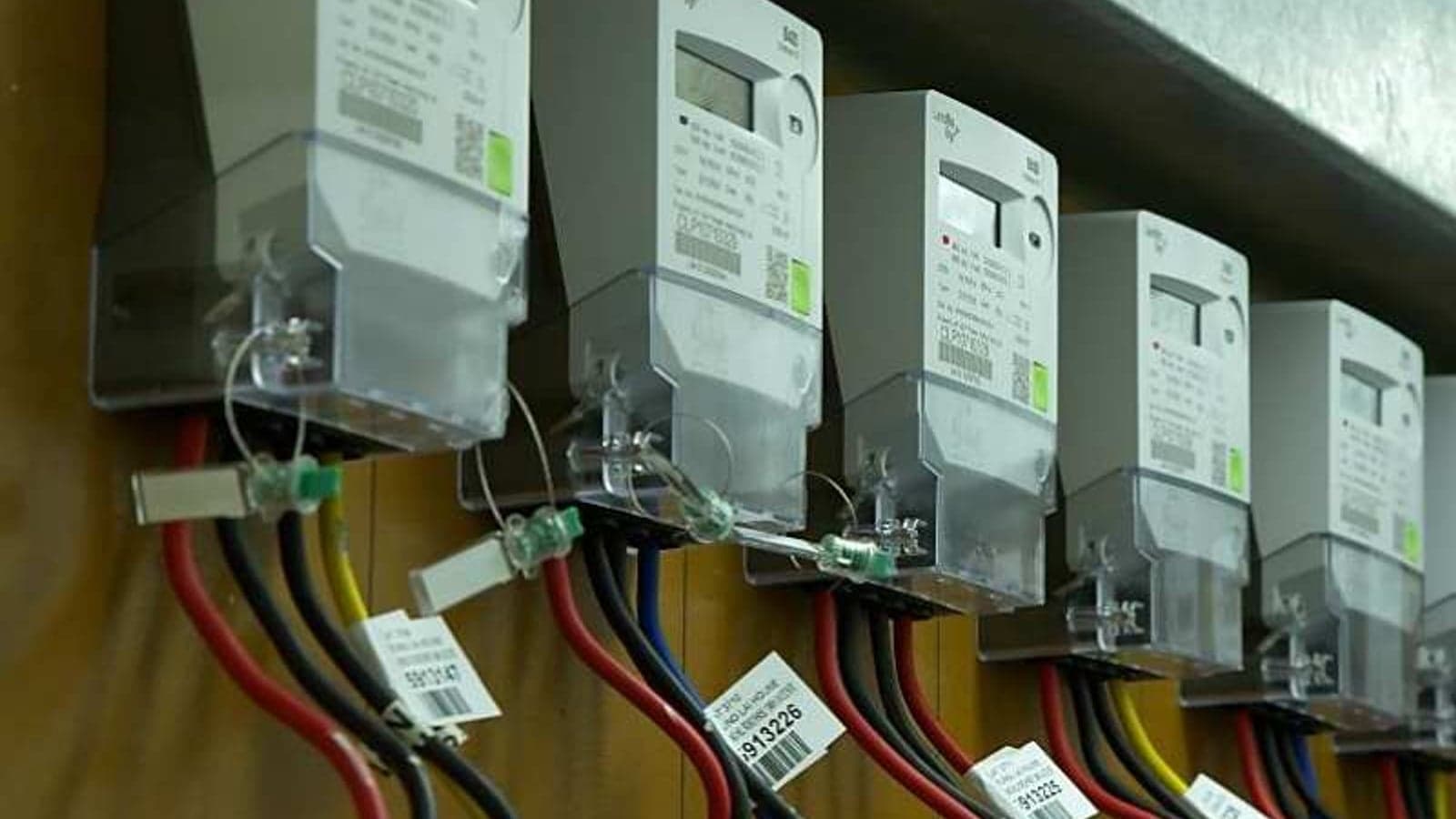
To date, metiundo, which specialises in the broader building sector with more complex metering set-ups and multi-utility energy management since 2021, has over 21,000 smart meters installed.
Dennis Nasrun, co-founder and CEO of metiundo, says the metering market is so dynamic precisely because competitive metering point operators are driving implementation.
“From the outset, we have consistently invested in our own software, achieving a level of quality and flexibility in our platform that sets us apart from the competition. With this new funding, we are now decisively moving towards further scaling: more installations, higher quality, and even greater speed in expanding our platform.”
metiundo offers ‘energy metering as a service’ and covers almost the entire value chain of energy metering systems in-house, from planning and installation to operation and market communication to software integration and processing of cross-sector measurement data from electricity, gas, heating and water use.
Alex Brierley, co-head of Octopus Energy Generation’s funds management business, notes that the buildings and heating sector is one of the largest CO2 emitters in Germany, responsible for around 30% of the country’s energy-related emissions.
“At the same time, the metering industry is racing ahead, rethinking how we measure, manage and connect energy systems. Scaling solutions like metiundo’s allows German homes and businesses to go green and cut costs by optimising the use of energy techlike solar and batteries on-site. We’re proud to support them as they drive this urgent transformation.”
Also of interest
ENTSO-E and DSO Entity propose new energy digital twin use cases for Europe
How AI security gaps in energy create high-consequence risks
Octopus Energy has been making inroads in the German market since its launch there in 2020. At the end of 2025, the company recorded over one million customers, making it one of the fastest-growing energy suppliers in the market.
The company has also been aggressively expanding its generation portfolio in Germany with a €1 billion investment goal in solar and wind by 2027.
Smart metering in Germany
Metering point operators are playing a key role in driving the rollout of smart metering in Germany, which began in earnest in 2025 with the target of achieving full coverage by 2032.
The default operator is the local network operator, but competitive metering point operators that install and manage the operation of the meters and provide data analytic services have also been advancing in the market.
Data quoted from the Federal Network Agency (Bundesnetzagentur) put the total number of smart meters installed as of 30 June 2025 at just over 1.6 million, with 760,000 of these mandatory installations that count towards the required target. With this, smart meters represented only around 3% of the total number of electricity meters in Germany.
Various reports have suggested that, at current rates, the rollout targets are unlikely to be met due to technical and other constraints and a statement is anticipated from the Ministry for Economic Affairs and Energy clarifying the future organisation of the rollout.
Related tags
Latest in Digitalisation
All articlesPartner content
+1
Digital water management: Empowering utilities with scientific decision-making
As urban water distribution networks continue to expand and water resource management becomes increasingly complex, water utilities are facing growing operational challenges.
- Guest/partner contributor
- 03/07/2026