Germany ‘back in the game’ on energy transition says renewables chief
Kelvin Ross
Posted on: 19 March 2024
Germany must be ‘driver’ of an inclusive energy transition says Dr Simone Peter at Berlin Energy Transition Dialogue.
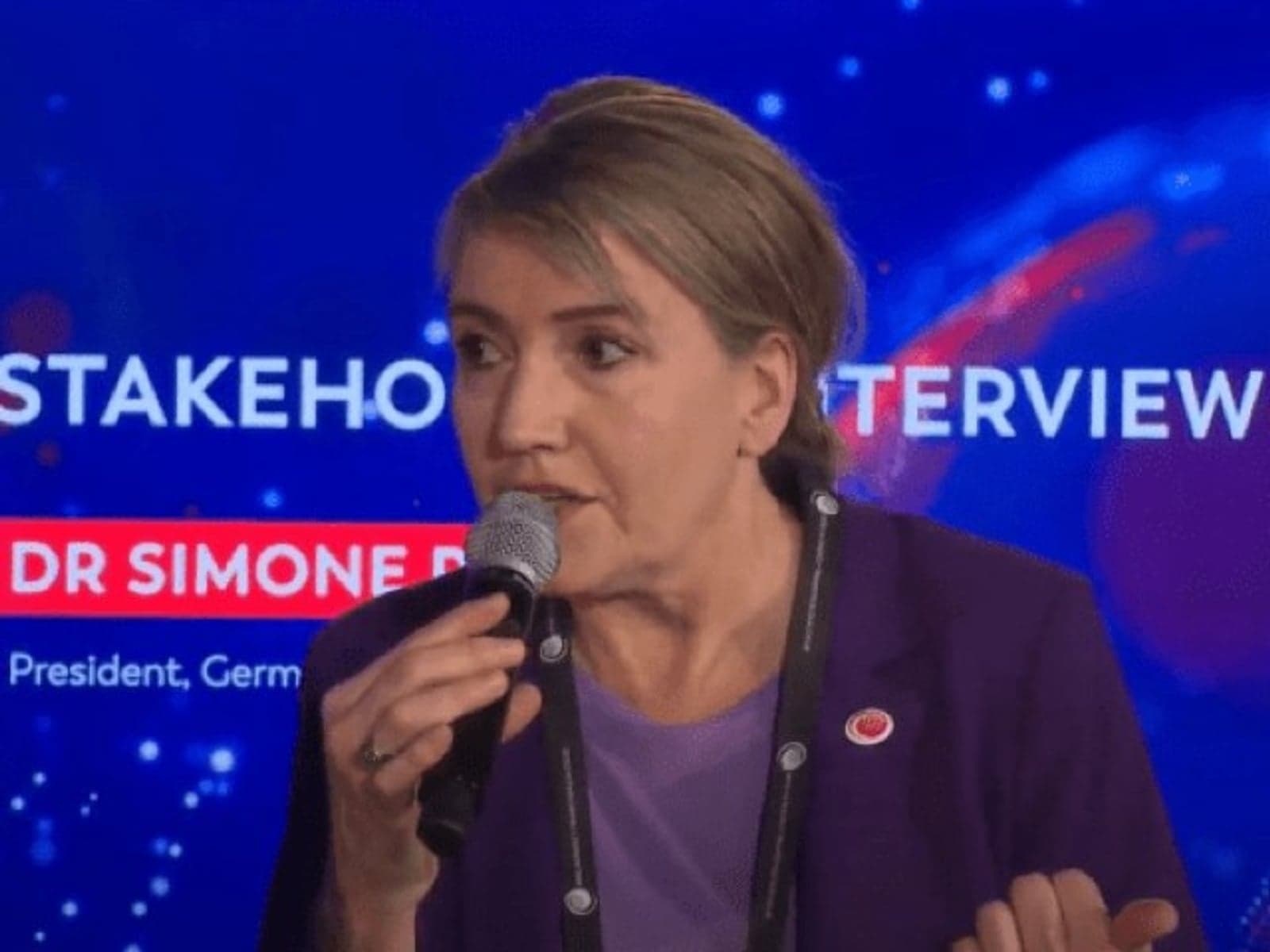
Germany must be ‘driver’ of an inclusive energy transition says Dr Simone Peter
“Germany is back on track with the energy transition,” proclaimed Dr Simone Peter, President of the German Renewable Energy Federation, at the Berlin Energy Transition Dialogue conference.
At last year’s Dialogue, Federal Minister for Foreign Affairs, Annalena Baerbock, admitted that “we always thought we could have cheap Russian gas… but we’ve paid for it two to three times over with our energy security”.
Fast-forward to this week and Peter told the audience that Germany has weaned itself off Russian gas and was once again ready to be a leader in the global shift to clean energy.
She said Germany was a “driver” of the energy transition and as such “it’s important that we are in the game”.
And she also used a press conference speech to stress that Germany has initiated this turnaround by resisting over-turning the 2011 Bundestag decision to phase out nuclear energy in the wake of the Fukushima disaster in Japan.
“Nuclear will never be a renewable form of energy.”
She said there are “big noises from conventional players saying we still need coal or nuclear”, but she added that “the only technology that makes sense is the most cost-efficient” – and that meant renewables: not just wind and solar, but also hydropower, biogas and geothermal.
More from Berlin Energy Transition Dialogue
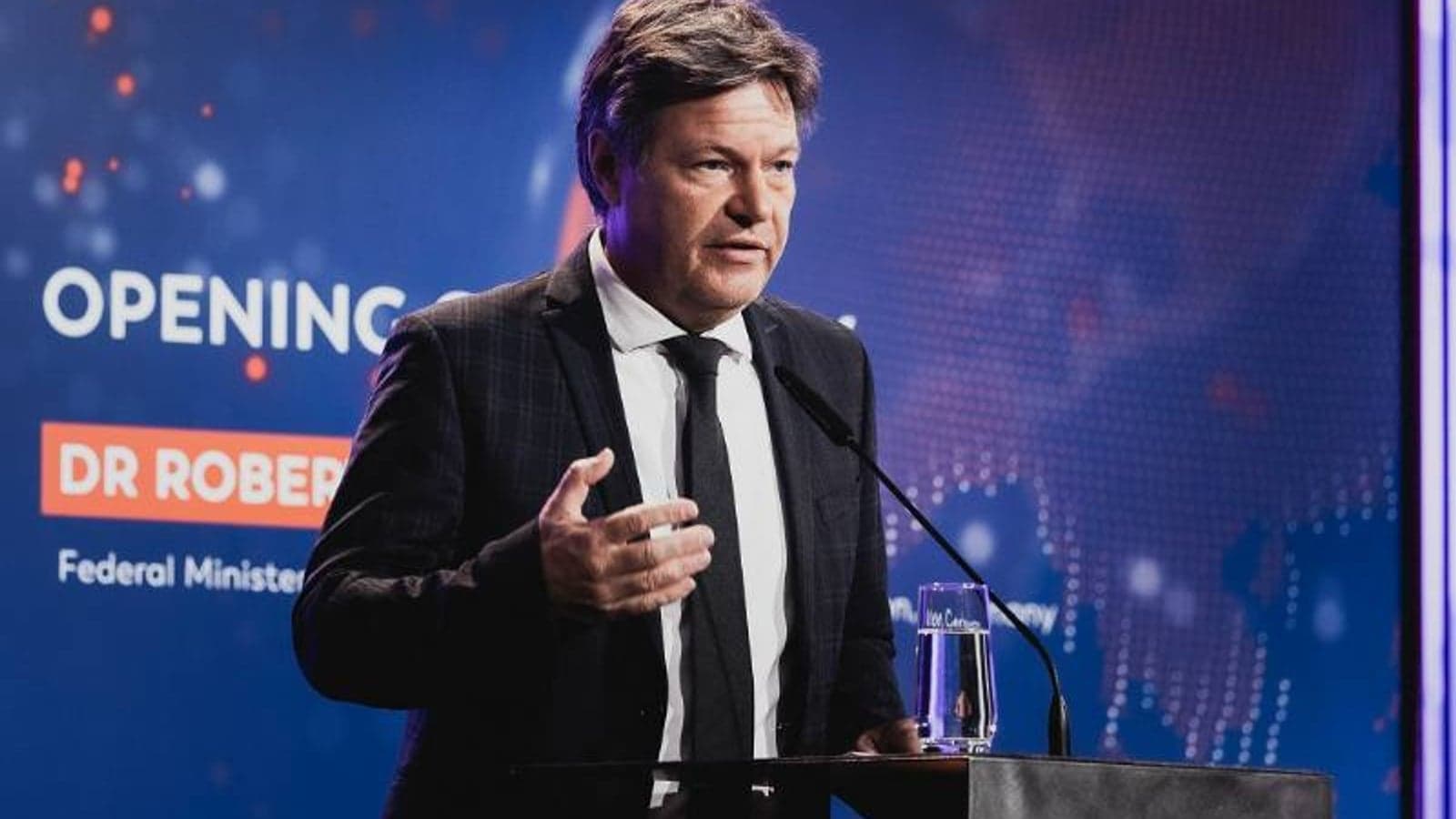
Nationalism is threat to energy transition says climate action minister Habeck
World needs annual 1000GW of renewable energy to hit COP28 pledge
Expansion of wind and solar
However, wind and solar were once again leading the charge for renewables in Germany, she said.
“The expansion of renewables in Germany is once again taking on a significant dynamic, especially in the areas of photovoltaics and wind power.
“With a share of 52% of gross electricity supply, these technologies are system-defining and have an increasingly cross-sectoral impact.”
This, said Peter, was the springboard for what needs to come next: “The adaptation to a new electricity market design, an improved network infrastructure and a flexibly controllable back-up system of biomass, hydropower, geothermal energy, storage systems and sector coupling.”
Have you read?
G7 countries commit to nuclear power as Germany abandons last reactors
Germany is facing big flexibility challenge says Uniper’s Holger Kreetz
She said the mid-sized segment of the renewables sector was “ready to cover 100% of energy supply, also in the areas of heating, mobility and industry”.
“In this way, Germany is taking a first important step in meeting its commitment to support the COP28 resolution towards a tripling of the expansion of renewable by 2030.”
Yet she added that two remaining barriers to a fast acceleration of renewables was policy and finance… and progress on the former would stimulate the latter.
“The industry is calling for more ambitious initiatives, binding targets and concrete measures in order to win over the private sector for the necessary investment offensives.
“We need financing to move the global energy transition… especially in the global south.”
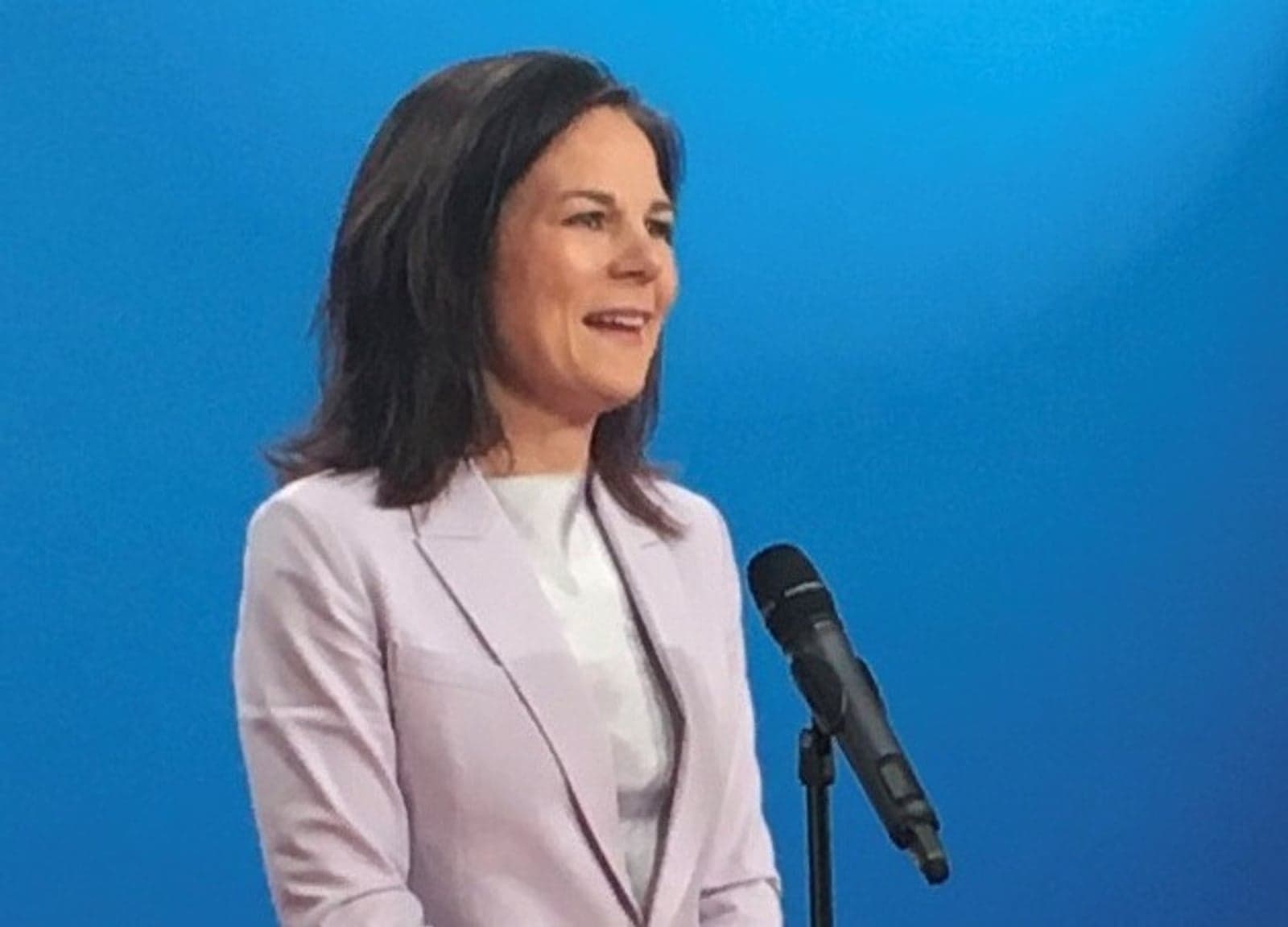
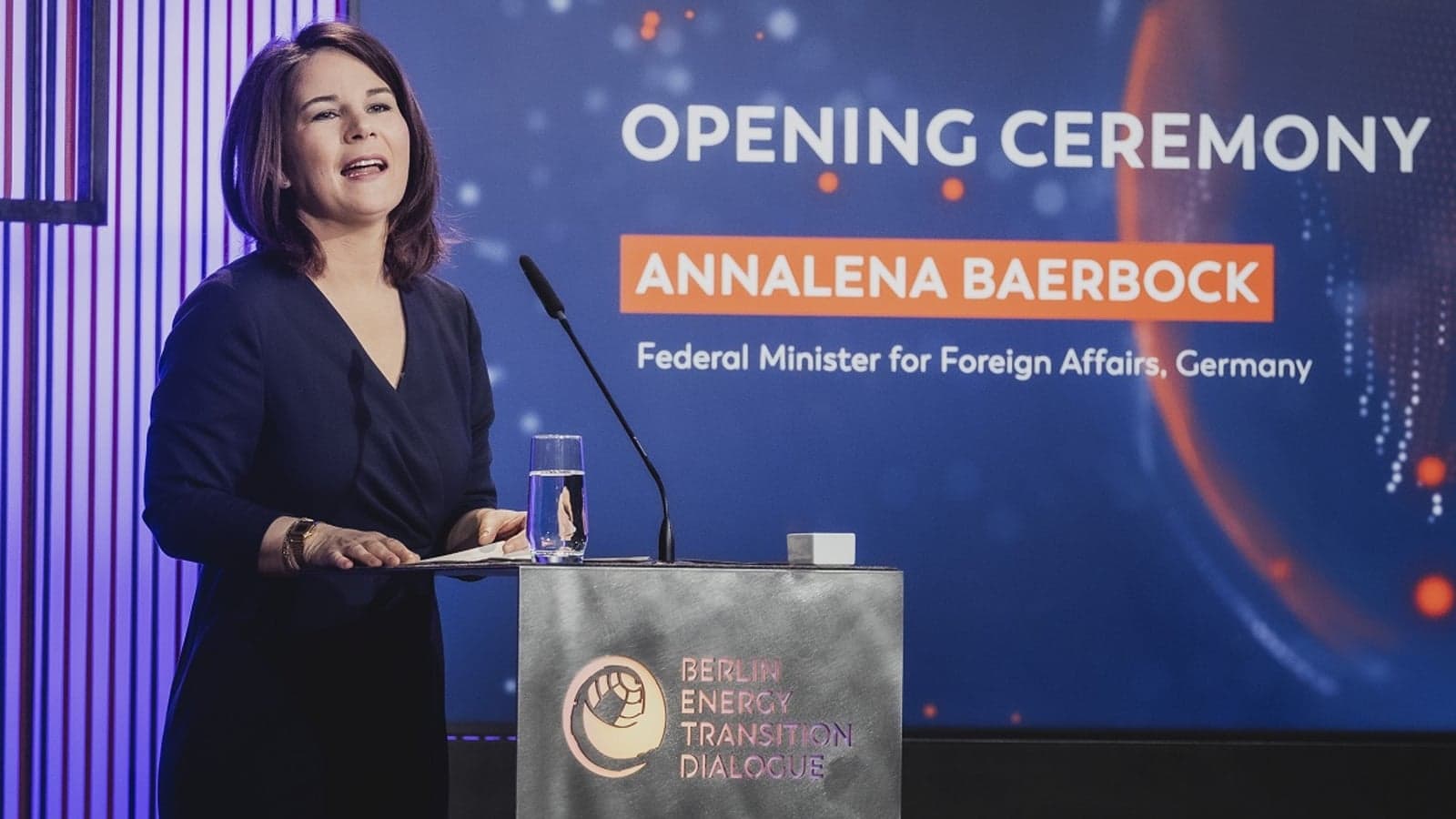
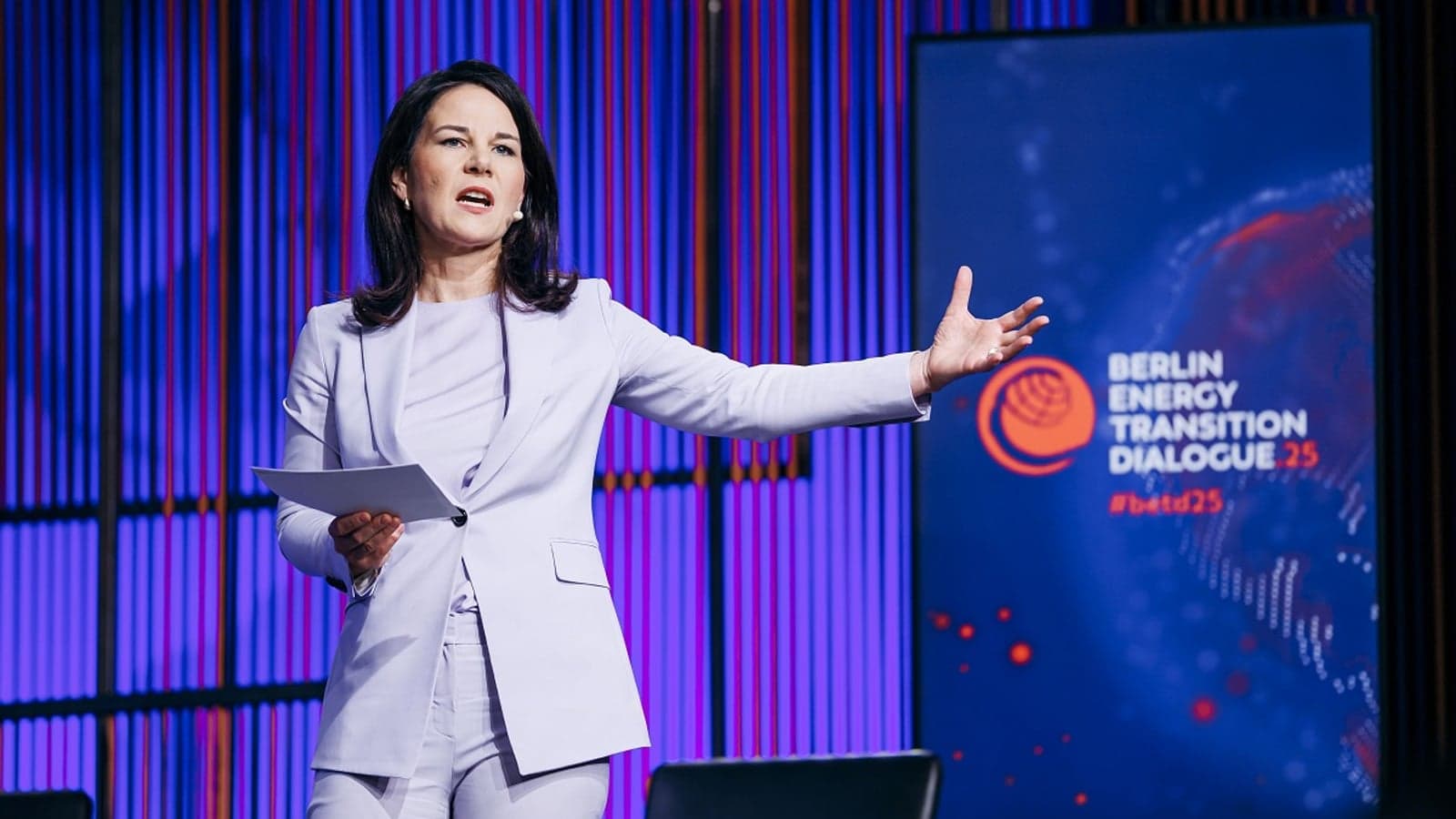
The call for a rethink on inclusive financing was echoed by Federal Minister for Foreign Affairs, Annalena Baerbock (pictured).
“We need different financing tools,” she said, adding that “if in Africa there are 600 million people without electricity” it proves that the energy transition was primarily benefitting the developed world.
“It shows that we need to think about others and how we can do it together. The question of accessibility [to finance and in turn clean energy] is the question of today.”
Baerbock called for a reform of financial institutions such as the World Bank to enable fast, accessible finance for all. Because, she said, renewable energy is “good for our planet, our people and our pockets”.
Originally published on powerengineeringint.com