Global top clean tech market set to triple by 2035 says IEA
Pamela Largue
Posted on: 30 October 2024
The global market for the top clean technologies is set to rise from $700 billion in 2023 to more than $2 trillion by 2035 - shows the IEA.
The global market for the top clean technologies is set to rise from $700 billion in 2023 to more than $2 trillion by 2035, according to the latest report from the International Energy Agency (IEA).
The report, Energy Technology Perspectives 2024 (ETP-2024), shows countries are pushing clean energy technologies as part of their industrial strategies, which, coupled with increasing cost competitiveness, is rapidly driving market development and value.
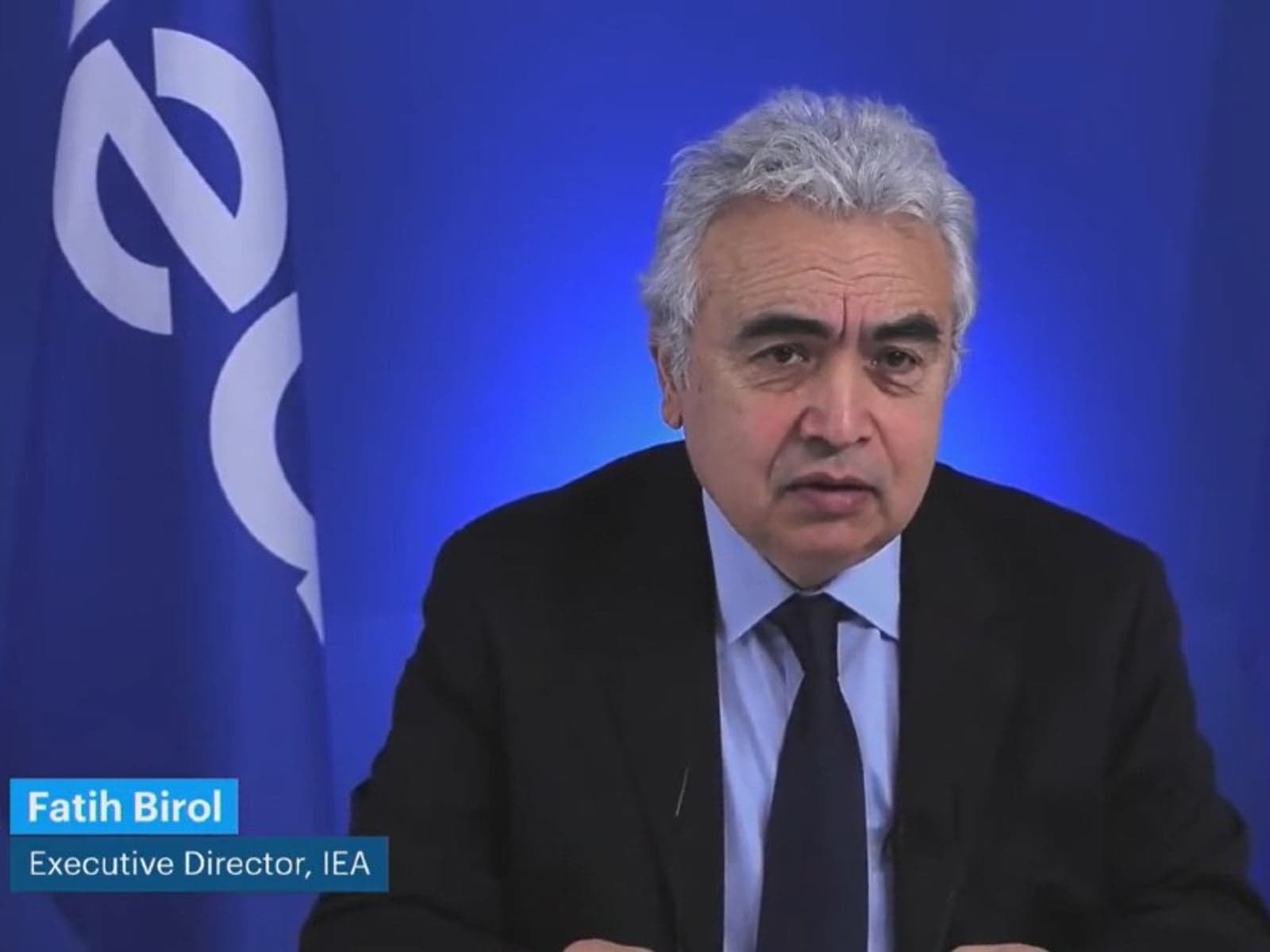
And as global trade shifts from commodities to a technology focus, the IEA predicts clean tech trade will more than triple in a decade reaching a significant $575 billion, and according to Fatih Birol, executive director of the IEA in a press briefing: "Any serious policymakers needs to pay attention to these numbers".
Have you read?
IEA heralds ‘Age of Electricity’ and nuclear revival in World Energy Outlook
Low-emissions hydrogen projects growing but policy support still lags
Clean technology manufacturing
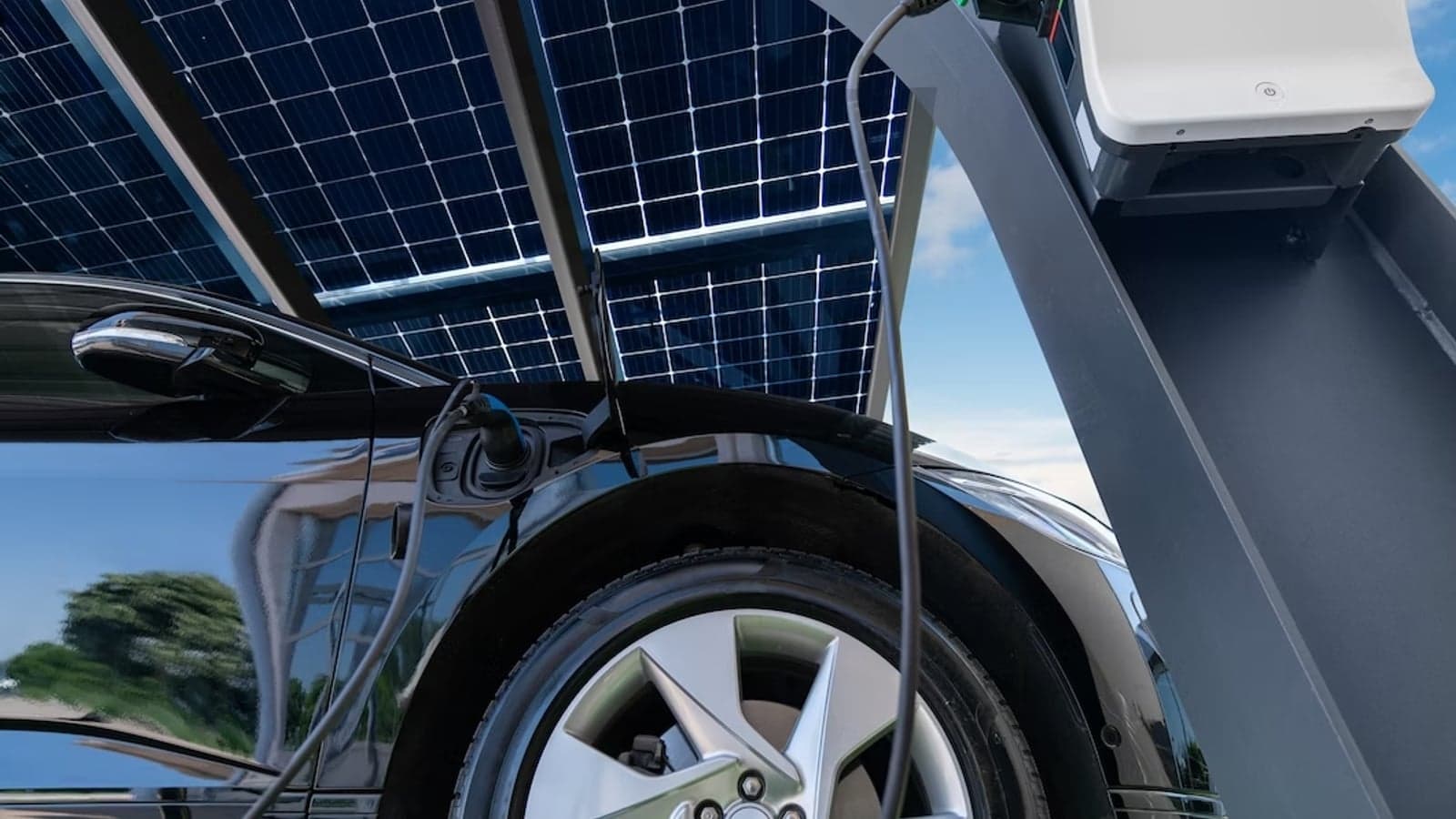
The report focuses on the top six mass-manufactured clean energy technologies, including; solar PV, wind turbines, electric cars, batteries, electrolysers and heat pumps.
According to the report, global investment in clean technology manufacturing rose by 50% in 2023, reaching $235 billion, bolstered by countries looking to increase energy security and reduce emissions.
Four-fifths of the clean technology manufacturing investment in 2023 went to solar PV and battery manufacturing, with EV plants accounting for a further 15%.
Despite some recent cancellations and postponements of solar PV and battery manufacturing projects, investment in clean technology manufacturing facilities is set to remain close to recent record levels, at about $200 billion in 2024.
Dries Acke, deputy CEO at SolarPower Europe, commented on the report: “This report underlines the massive economic potential of solar PV manufacturing, and serves as clear evidence that Europe must pursue a strong solar industrial strategy.
"80% of investment in global clean technology in 2023 was in solar PV and batteries – Europe cannot afford to give up on reshoring solar manufacturing."
Key materials for clean technologies
ETP-2024 also looks at the key materials needed to support the emerging clean energy economy, such as steel and aluminium.
The report indicates that there is a race underway to bring to market crucial technologies to produce steel, aluminium and ammonia with near-zero emissions.
Deploying these technologies will require an average of over $80 billion per year of investment through to 2050 to reach net zero in the same year. However, states the IEA, the market potential is larger and could reach $1.2 trillion by 2050.
China dominates global markets
The report highlights that spending is concentrated in the US, Europe and India, spurred by the Inflation Reduction Act and Bipartisan Infrastructure Law, Net-Zero Industry Act and India’s Production Linked Incentive Scheme.
However, it's no surprise that China is set to dominate the world’s clean tech manufacturing space for the foreseeable future. Under today’s policy settings, its clean technology exports are on track to exceed $340 billion in 2035.
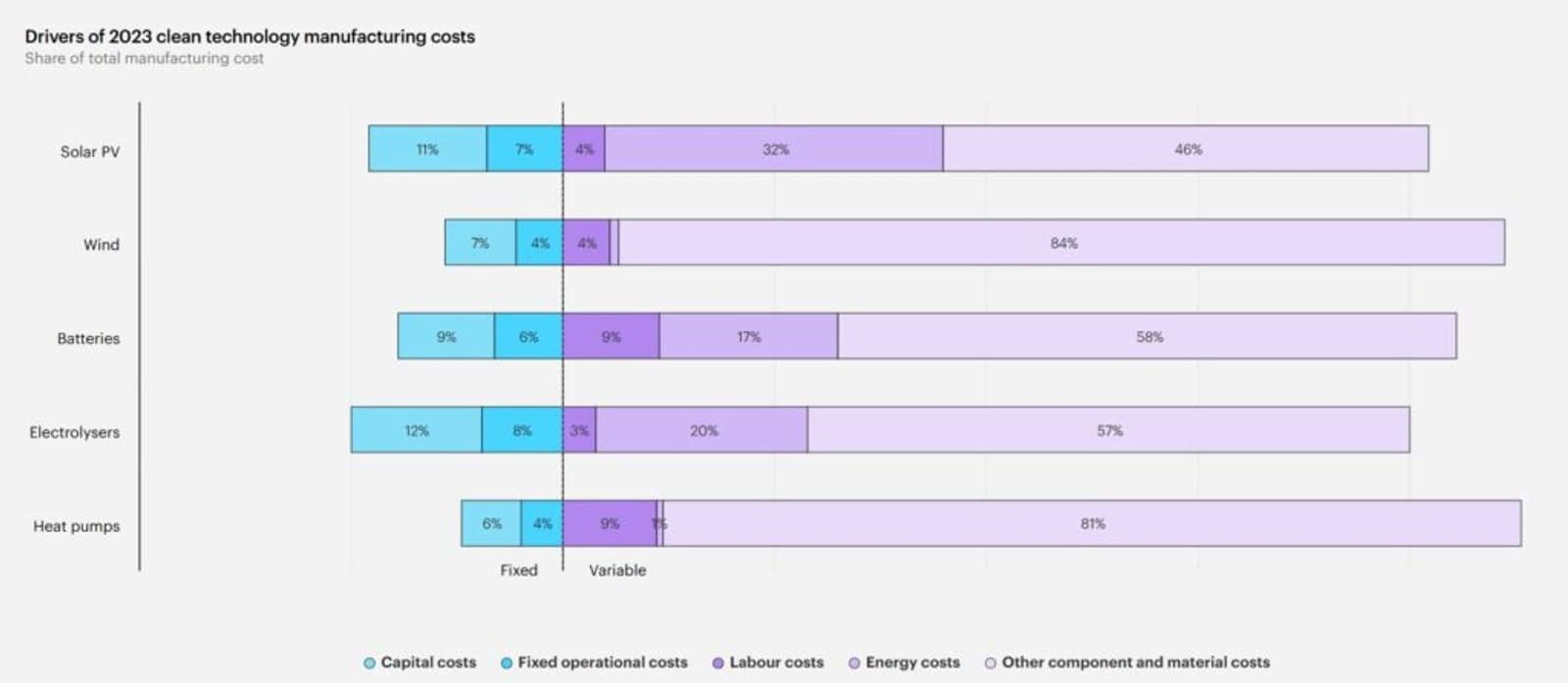
China is able to maintain this position as it's the cheapest location for manufacturing. It costs up to 40% more on average to produce solar PV modules, wind turbines and battery technologies in the United States, up to 45% more in the European Union, and up to 25% more in India.
To indicate the size and scale of China's manufacturing, Birol highlighted that a new facility built in China has the capacity to manufacture enough PV modules to meet the needs of the entire European Union demand.
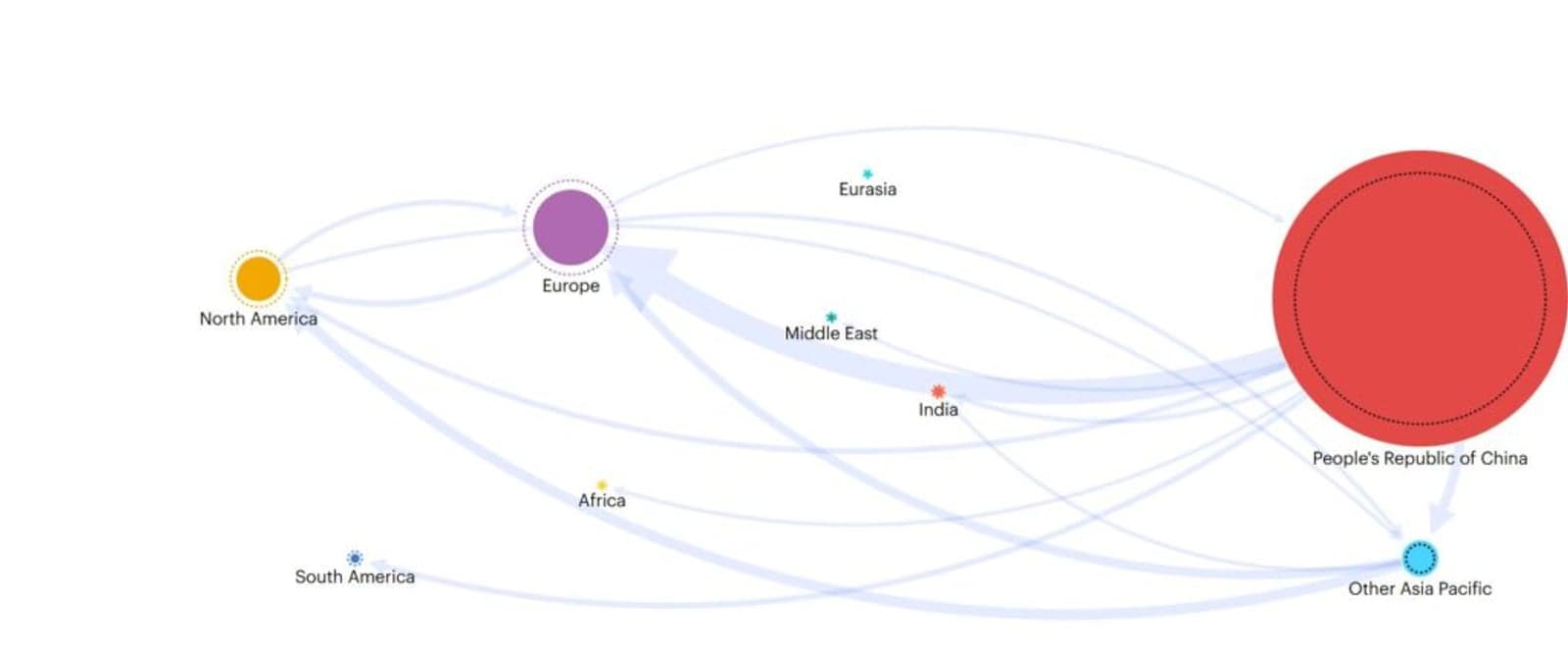
The report, however, also shows that market growth is possible outside of China. However, to cash in on available opportunities, emerging economies need to move beyond the mining and processing of critical minerals and maximise opportunities further up the value chain.
“Growth in the manufacturing and trade of clean energy technologies should be for the benefit of many economies, not just a few,” Birol said. “This report shows that countries in Southeast Asia, Latin America, Africa and beyond and have strong potential to play important roles in the new energy economy. And it finds that with sound strategic partnerships, increased investment and greater efforts to bring down high financing costs, they can achieve this potential.”
Managing risks and trade tensions
The report shows that with the increased imports of clean technologies, there is also increased risk to the supply chain.
The report states: "The dependency on maritime chokepoints poses risks to supply chain resilience... especially since the average clean technology cargo is more than ten times the value of the average fossil fuel cargo per tonne. "
And while the rapid uptake of clean energy technologies offers opportunities for countries looking to boost domestic manufacturing and competitive advantage, governments will have to face challenging decisions and trade tensions.
Birol added: "Energy, industry and trade policies are getting more and more interwoven. Countries who are able to hormonise these three policies, having right strategies for [the] three of them will definitely be the beneficiary in terms of their economic performance."