Hydrogen market still sluggish shows IEA’s 2024 global review
Jonathan Spencer Jones
Posted on: 7 October 2024
Hydrogen, and low emission hydrogen in particular, is showing only limited growth currently, the Global Hydrogen Review 2024 finds.
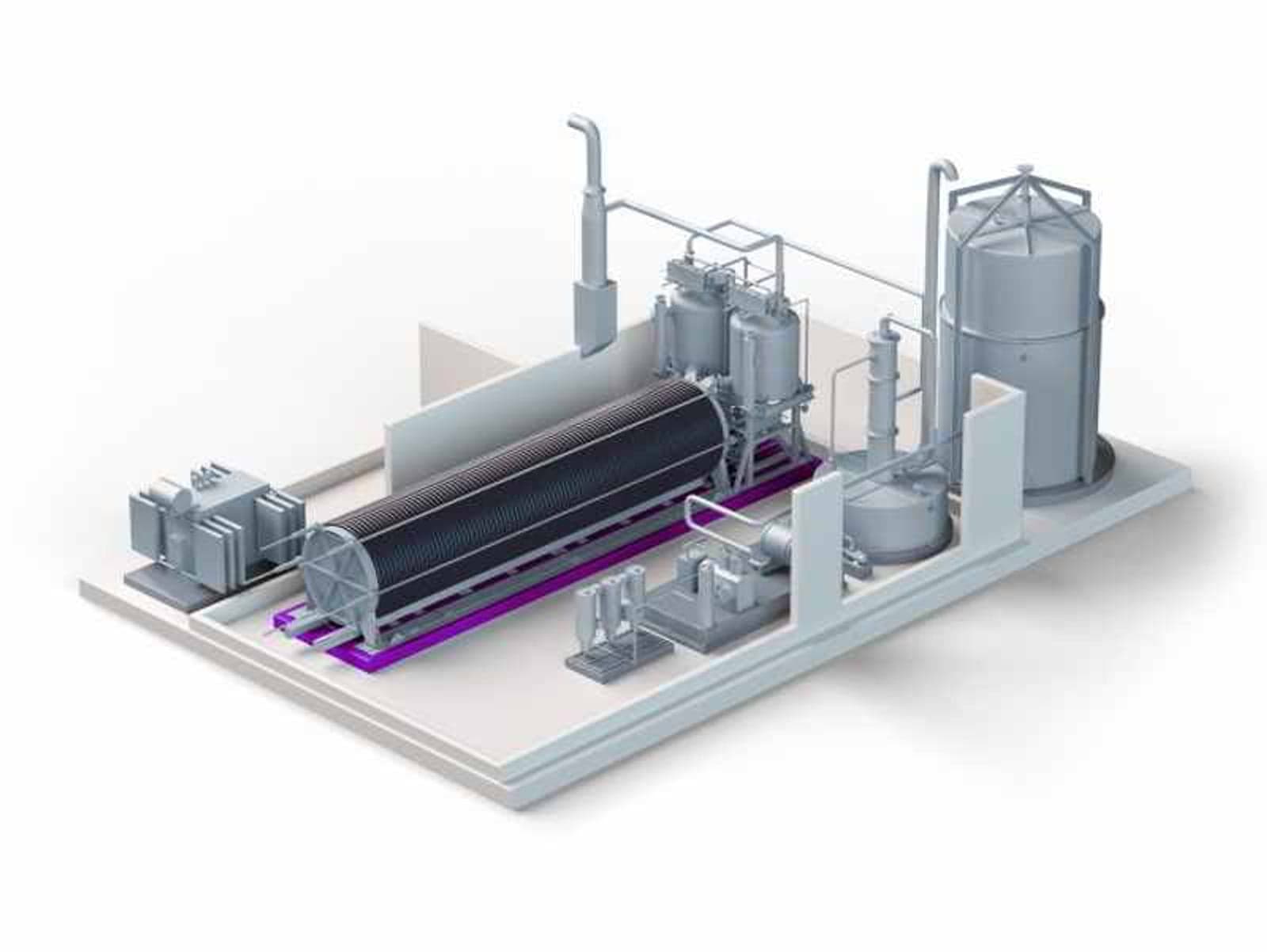
Hydrogen, and low emission hydrogen in particular, is showing only limited growth currently, the Global Hydrogen Review 2024 finds.
Overall the global demand reached 97Mt in 2023, an increase of 2.5% compared to 2022, with that demand remaining concentrated in refining and the chemical sector and covered principally by hydrogen produced from unabated fossil fuels, the review reports.
As in previous years, low emissions hydrogen played only a marginal role, with production of less than 1Mt in 2023.
However, based on the announced projects, up almost one-third over the last year, the production could ramp up to reach 49Mt per year by 2030 – but this would require the hydrogen sector to grow at an unprecedented compound annual growth rate of over 90% from now, well above the growth experienced by solar PV during its fastest expansion phases.
Have you read?
How to take the brakes off hydrogen and realise its potential
Energy Transitions podcast: Why green hydrogen is part of the decarbonisation toolkit
Despite the new project announcements, the installed capacity for electrolysers and low emissions hydrogen volumes remain low as developers wait for clarity on government support before making investments – in short a ‘chicken and egg’ situation for their go-ahead.
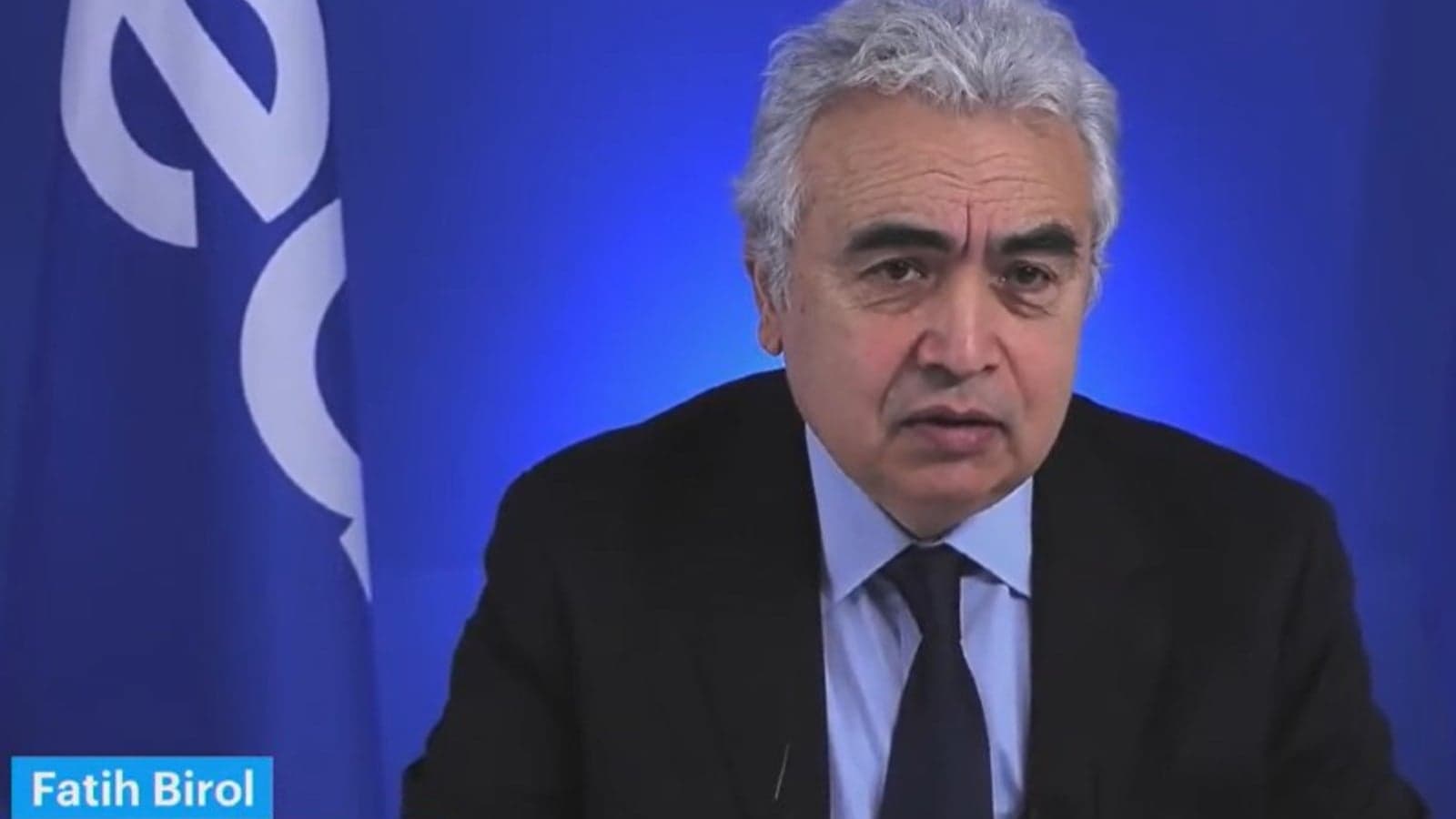
“The growth in new projects suggests strong investor interest in developing low emissions hydrogen production, which could play a critical role in reducing emissions from industrial sectors such as steel, refining and chemicals,” commented IEA executive director Fatih Birol, in a statement.
“But for these projects to be a success, low emissions hydrogen producers need buyers. Policymakers and developers must look carefully at the tools for supporting demand creation while also reducing costs and ensuring clear regulations are in place that will support further investment in the sector.”
The IEA’s 2024 review finds that the number of projects that have reached final investment decision has doubled in the past 12 months, which would increase today’s global production of low emissions hydrogen fivefold by 2030.
This is split roughly evenly between electrolysis (1.9Mt/year) and fossil fuels with carbon capture, utilisation and storage, i.e. blue hydrogen (1.5Mt/year).
In the last year also, the total electrolyser capacity reaching final investment decision grew to 20GW globally. Of the more than 6GW of electrolyser capacity in the past year, China accounts for more than 40% and with a continued expansion of manufacturing capacity is expected to drive down electrolyser costs.
RD&D starting to bear fruit
Another finding in the review is that the growing government investment in hydrogen technology RD&D is starting to bear fruit.
To date, progress has occurred mostly on the supply side, and numerous technologies are either already commercially available or close to this point.
Promising results are also being seen for end-use technologies, with several applications in industry and electricity generation reaching demonstration stage, as well as significant progress in transport applications, particularly in the shipping sector.
Latin America focus
The review includes a special focus on Latin America and the Caribbean, a region well positioned to emerge as a major producer of low-emissions hydrogen, with its abundant natural and renewable energy resources and largely decarbonised electricity mix.
Based on announced projects, by 2030 Latin America could produce more than 7Mt/year of hydrogen with a carbon intensity below 3kg CO2e, i.e. three to four lower than using unabated natural gas.
However, achieving this potential in full would require a significant increase in electricity generation capacity – equivalent to 20% of the region’s current power output – and substantial investments in enabling infrastructure, such as transmission lines.
Many Latin American countries already have hydrogen strategies with a strong focus on export opportunities, but these may need updating in light of uncertainty about the size of the global market, the review indicates.
Indications are that in the past year project developers have focused on domestic opportunities, primarily refining and ammonia production, which offer immediate large-scale applications.
Recommendations
The review recommends accelerating demand creation for low-emissions hydrogen by leveraging industrial hubs and public procurement, supporting project developers to scale up production and drive cost reductions and strengthening regulation and certification of environmental attributes.
Opportunities also should be identified to start developing hydrogen infrastructure.
In addition, emerging markets and developing economies should be supported to expand low-emissions hydrogen production and use.