Global water net zero innovation partnership expands
Jonathan Spencer Jones
Posted on: 24 September 2025
Italy’s Gruppo CAP has joined the global water Net Zero Partnership on the development of innovations for decarbonising wastewater treatment.
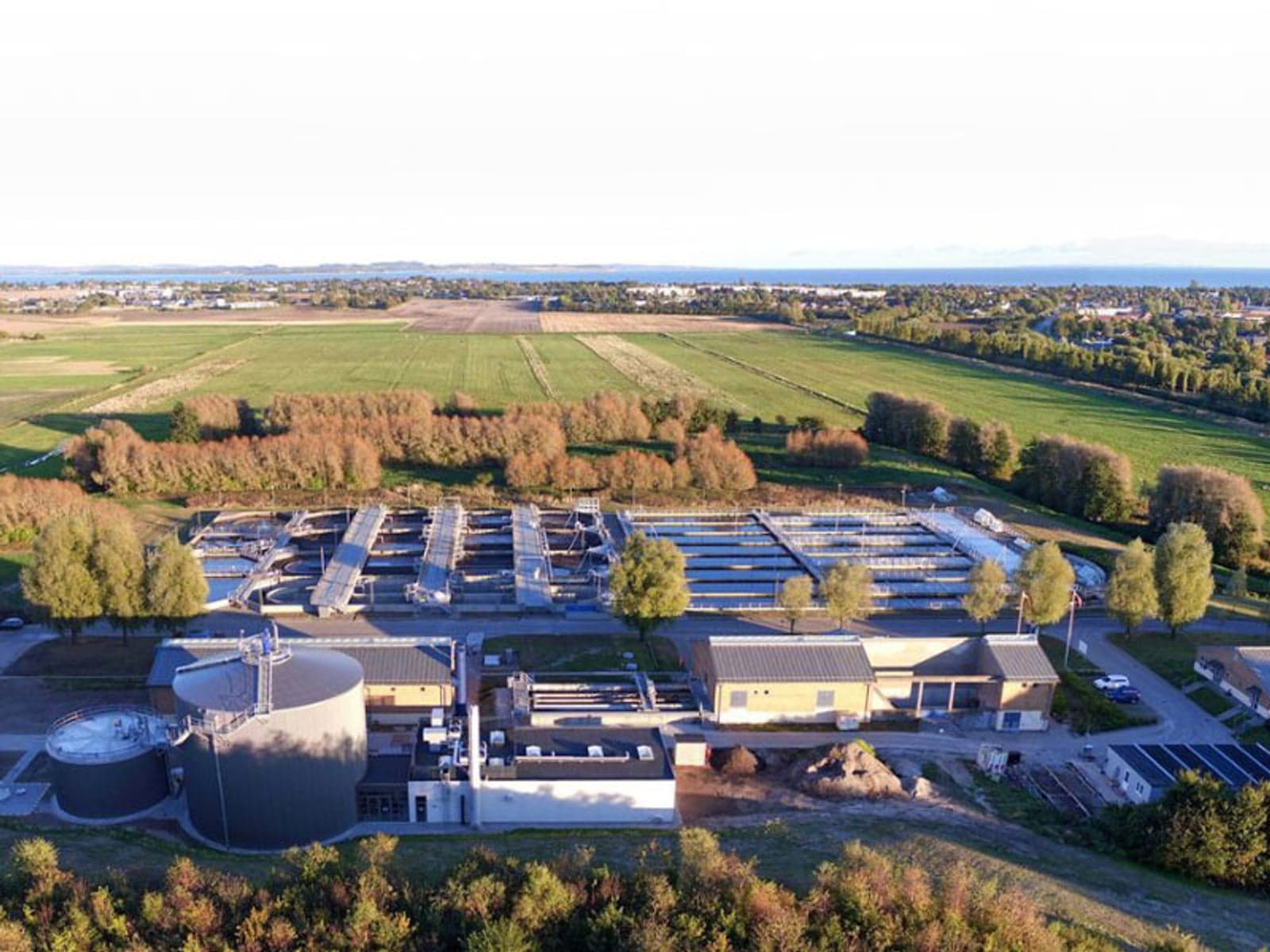
Italy’s Gruppo CAP has joined the global water Net Zero Partnership on the development of innovations for decarbonising wastewater treatment.
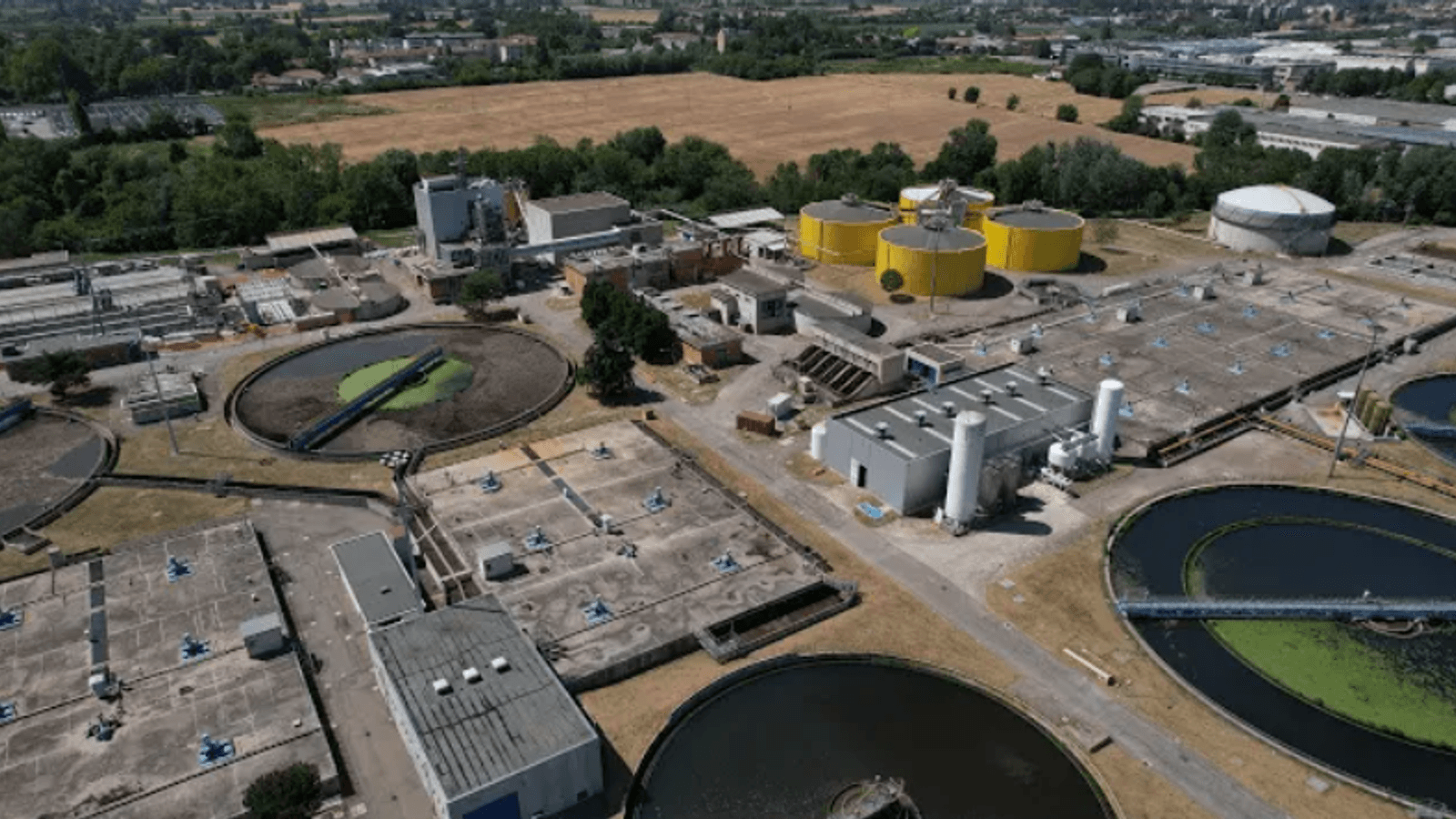
The green utilities group, which manages the water service in the city of Milan and is a key player in the development and innovation of Lombardy's water infrastructure, is the fourth company to join the Net Zero Partnership.
The other members are Britain’s Severn Trent, Australia’s Melbourne Water and Denmark’s Aarhus Vand, which formed the Partnership in 2022 to co-create technologies to green the wastewater treatment process and reduce the carbon and other greenhouse gas emissions.
Gruppo CAP’s industrial ecosystem includes CAP Evolution, the company operating in the areas of waste, wastewater and green energy, Neutalia, which manages the waste-to-energy plant in Busto Arsizio to the northwest of Milan, and ZeroC, the BioPlatform that is transforming sludge and other waste into energy in the form of heat and biomethane.
Also of interest
GHG emissions scopes and the need for effective carbon accounting
“We are genuinely thrilled to be the first Italian company to join this groundbreaking Net Zero Partnership,” said Alessandro Reginato, General Director of CAP Evolution.
“The objectives of the Partnership align perfectly with our own aspirations to drive ecological transition and reaching the decarbonisation targets. As an evolved green utility, the group is looking forward to bringing its expertise across renewable energy, resource recovery and the circular economy to the partnership.”
Rich Walwyn, Head of Asset Intelligence and Innovation at Severn Trent, speaking on behalf of the other partners, added that Gruppo CAP brings a wealth of invaluable experience and expertise to the partnership.
“We are driven by our commitment to support ways of creating net zero wastewater treatment, eliminating greenhouse gas emissions. These are universal issues faced by every wastewater company on the planet, so the work that we’re doing will have global implications.”
Severn Trent, which provides water services in the Midlands of England, is aiming for its Strongford wastewater treatment works in Staffordshire to become home to the world’s first dedicated net zero hub, where innovations can be tested at industrial scale.
The target is that the site will eradicate 34,000t of carbon per year.
NOx emissions reductions
While much of the focus of greenhouse gas emissions is on reducing carbon dioxide, other gases also are of concern, including for water utilities methane and in particular nitrous oxide, which is highly potent – almost 300x as potent as CO2.
Nitrous oxide results in the biological removal of ammonia from sewage and is estimated to be responsible for up to half of the carbon footprint of activated sludge plants and thus necessary to remove to meet net zero commitments.
At the net zero hub, one of the current innovations is the advance and full scale installation of the Actilayer technology, which was originally created to eliminate odours like hydrogen sulphide and volatile organic compounds. Comprised of a carbon layer coated with a metal catalyst in a permeable cover that can be installed over the plant, it converts the nitrous oxide to nitrogen and oxygen gas as it passes through.
Another innovation there is the recovery for reuse of cellulose – estimated to help to reduce the carbon footprint by up to 15% – and the third a digital twin of the whole treatment plant.
Aarhus Vand, the municipal water utility in the city of Aarhus, has focussed with partners in recent years very much on improving understanding of the formation and emission of nitrous oxide in the biological treatment processes. The utility found that the emissions can be reduced by controlling the processes and the load on the plant and has introduced advanced process control at its Egå treatment plant.
Methane emissions also are in sight at the Egå plant and a biofilter is being tested on the sludge storage tank, with the target to reduce the emissions from the tank by at least 50%.
Real-time measurements using methane laser technology also have been initiated to gain improved insight into methane emissions over a longer period of time.
Melbourne Water’s latest innovation in this area is different again, exploiting what is believed to be the world's first full-scale shortcut nitrogen removal processes in an upgrade of its 5 West Nutrient Removal Plant in the suburb of Werribee.
The process is a partial one compared to the conventional process and avoids the creation of nitrous oxide with the reduction of nitrite to nitrogen gas. Benefits include reduced energy use due to less aeration demand and carbon requirements compared to the traditional treatment methods and locally, reduced nitrogen loads in the nearby Port Philip Bay.
The facility also provides source water for the recycled water that supports the local agricultural sector with irrigation.