Google signs 200MW PPA with Commonwealth Fusion Systems
Power Engineering International
Posted on: 4 July 2025
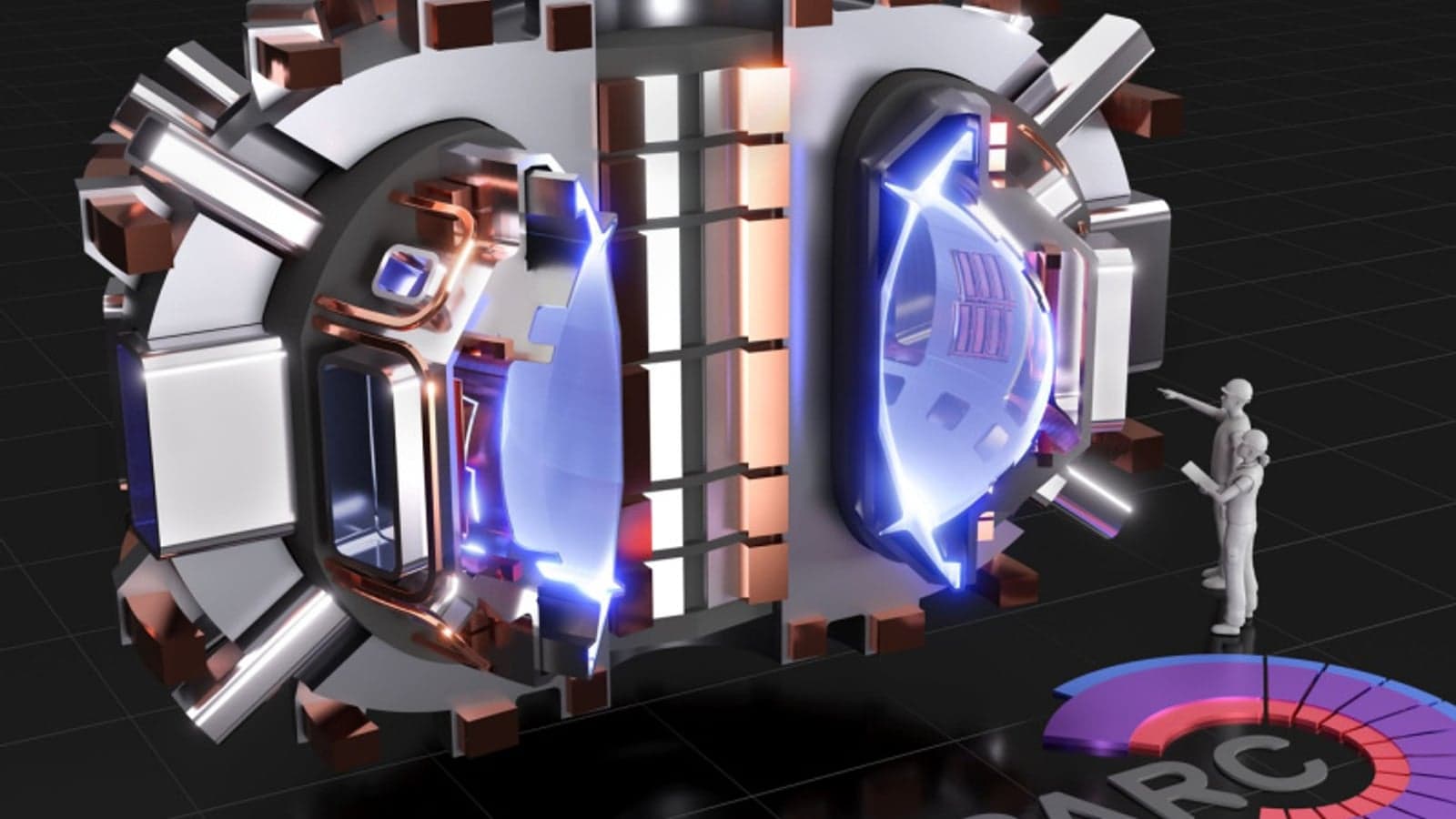
Google and Commonwealth Fusion Systems have signed a 200MW power purchase agreement (PPA) for electricity from CFS’ inaugural ARC power plant.
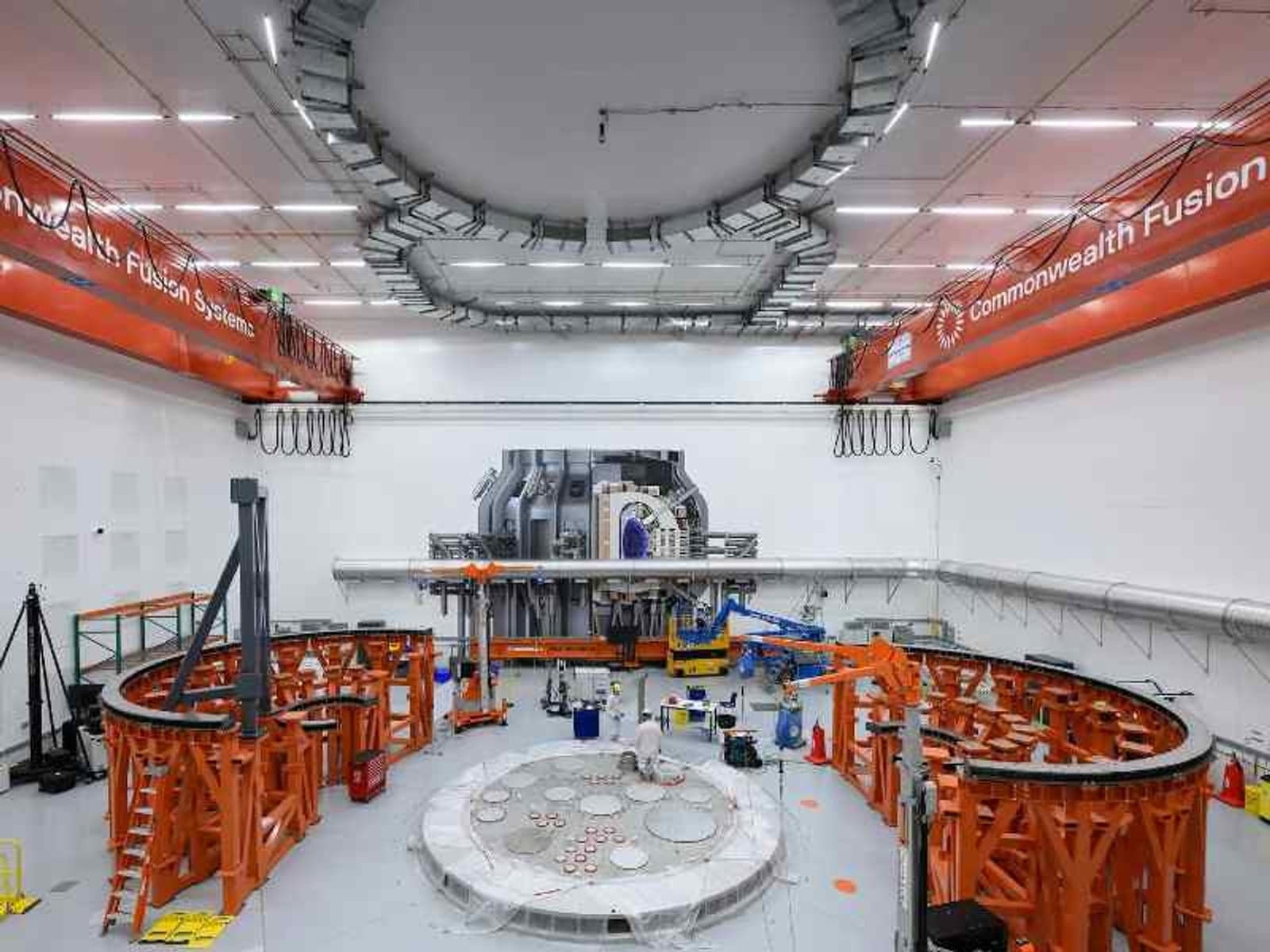
Google and Commonwealth Fusion Systems (CFS) have signed a 200MW power purchase agreement (PPA) for electricity from CFS’ inaugural ARC power plant.
The fusion plant, based in Chesterfield County, Virginia, is expected to put power on the grid in the early 2030s, states CFS.
Besides this PPA, Google also has the option to offtake power from additional ARC power plants and is increasing its stake in the CFS, an investment which began in 2021.
Michael Terrell, head of Advanced Energy at Google, commented: “By entering into this agreement with CFS, we hope to help prove out and scale a promising pathway toward commercial fusion power. We’re excited to make this longer-term bet on a technology with transformative potential to meet the world’s future energy demand, and support CFS in their efforts to reach the scientific and engineering milestones needed to get there.”
Have you read?
Gauss forges European pacts to further fusion gigaplant plans
Fusion and fission central to UK’s clean energy industrial strategy
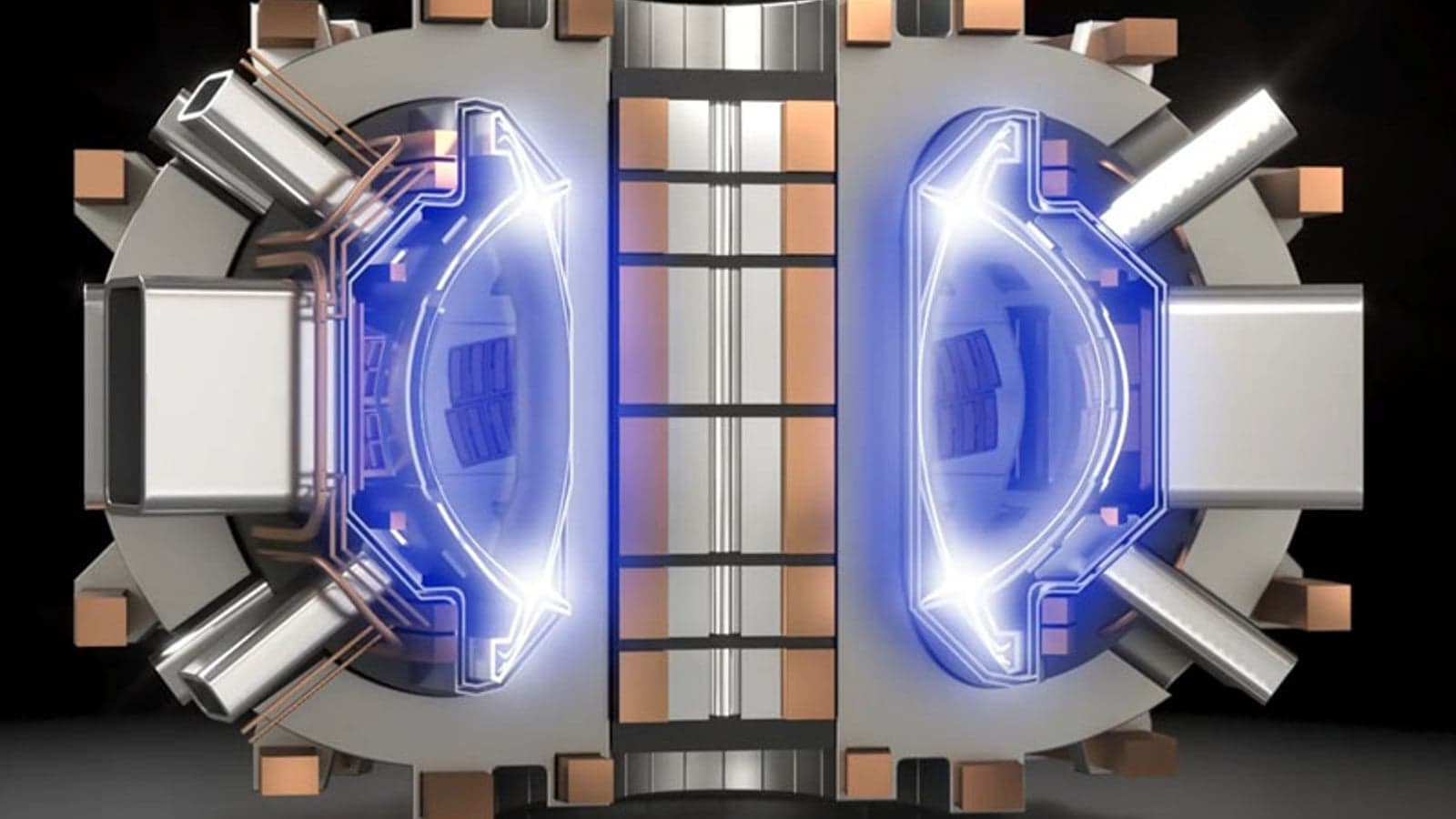
The agreement between Google and CFS is anchored in CFS’ SPARC achieving net fusion energy. SPARC is a high magnetic field, compact version of a fusion device called a tokamak, a design which has been validated by multiple research papers and peer-reviewed by independent scientists.
SPARC is the precursor to ARC, states CFS, which is designed to generate 400MW of net electricity, a level comparable to a utility-scale natural gas power plant’s output.
Bob Mumgaard, CEO and co-founder of CFS, added: “Our strategic deal with Google is the first of many as we move to demonstrate fusion energy from SPARC and then bring our first power plant online. We aim to demonstrate fusion’s ability to provide reliable, abundant, clean energy at the scale needed to unlock economic growth and improve modern living – and enable what will be the largest market transition in history.”
Fusion power works by capturing the energy released when smaller atoms like hydrogen fuse together, allowing it to supply clean, round-the-clock power. This technology will help meet electricity demand growth from new industry, from electrification of transportation and from the increasing use of artificial intelligence and other advanced computing.