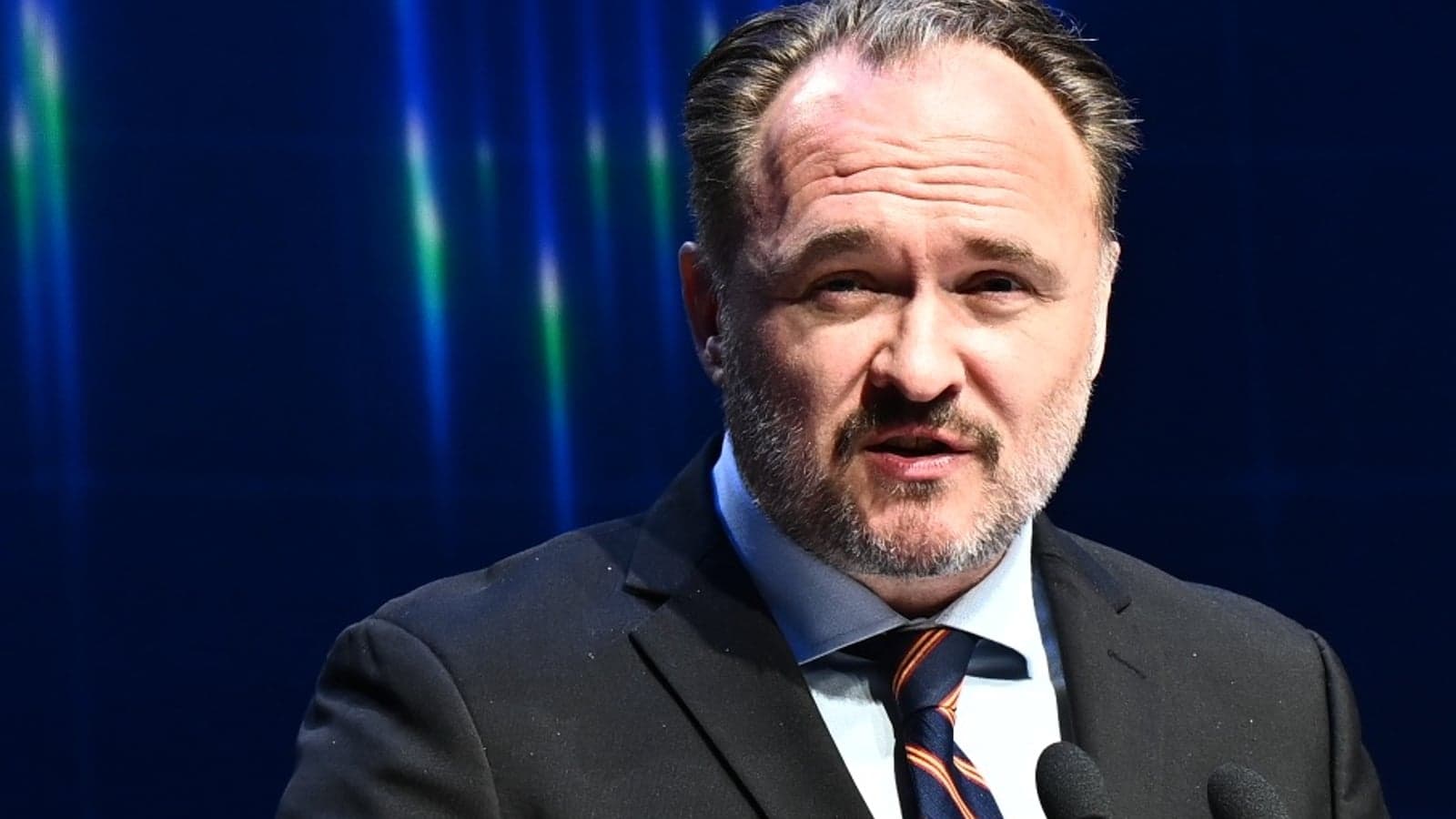
Greening the grid is vital for energy transition says Schneider's Lawrence
Enlit Editorial Team
Posted on: 10 November 2023
Gary Lawrence, Power & Grid Segment President at Schneider Electric, highlights the need for a non-siloed approach to achieving a just energy transition.

In an Enlit exclusive, Gary Lawrence, Power & Grid Segment President at Schneider Electric, highlights the need for a non-siloed approach to achieving a just energy transition. He stresses the need for cross-sector and cross-border collaboration, coupled with increased clean energy infrastructure investment and R&D.
Stating that decarbonisation efforts have a crucial role to play, Lawrence commends Europe on its efforts to reduce carbon emissions, which strengthens its energy security position while contributing to the global fight against climate change.
What are the top three challenges to delivering the energy transition?
The energy transition faces several challenges that must be urgently addressed.
Firstly, there is a pressing need to connect more renewable energy sources and distributed energy resources into medium-voltage and low-voltage grids.
While renewable energy generation is increasing, there is often a lack of adequate infrastructure to facilitate the integration of these sources into the existing grids. The European Commission estimates that $70 billion will be required from now until 2030 for grid expansion plans.
Secondly, grids must be prepared to handle the massive demand-side electrification currently underway in various sectors like industry, mobility, and buildings. A growing share of intermittently available renewable energy in the EU’s electricity system will require higher flexibility to ensure functioning grids.
Compared to today, flexibility requirements will more than double by 2030 and grow seven times by 2050. As more electric vehicles are being adopted, industries are transitioning to electrified processes, and buildings are increasingly relying on electricity, the grids need to be upgraded and optimised to handle this surge in demand. Failure to address this issue may result in inadequate supply and reliability issues.
Lastly, aging and inefficient grid infrastructure that is not environmentally friendly poses a significant challenge. Many grids are outdated and rely on fossil fuel-based energy sources, resulting in energy losses and inefficiencies. Around 40% of grids are over 40 years old, just ten years off their typical lifespan. Updating and greening these grids is crucial for a successful energy transition.
What single action will accelerate the deployment of clean energy?
It is important to note that deploying clean energy requires a holistic approach with multiple actions taken simultaneously.
- Investing in clean energy infrastructure, such as solar and wind power plants, transmission lines, and electric vehicle charging stations, can provide a solid foundation for clean energy deployment.
- Encouraging international companies and government collaboration between countries can accelerate clean energy deployment by sharing best practices, knowledge, and technologies.
- Increasing investments in R&D for clean energy technologies can drive innovation, improve the efficiency of technology
What most excites you about the European energy transition?
Firstly, it empowers prosumers - individuals or communities who both produce and consume energy. With the growing adoption of renewable energy sources, such as solar panels and wind turbines, prosumers can generate their electricity.
For example, Germany has one of the highest rates of prosumers per capita and significant PV installations. This country had around 5.3 GW of PV installed in 2021, and a total of 59GW, from which 66% of it is divided among households, industrial sites, and commercial installations with more than 200,000 residential battery installations.
This decentralisation of energy production gives individuals more control over their energy consumption and reduces their reliance on traditional energy providers. It also promotes self-sustainability and can lead to cost savings for prosumers.
Secondly, the energy transition aims to reduce Europe's dependency on fossil fuels and promote sustainable alternatives. By transitioning to renewable energy sources, Europe can decrease its reliance on imports and mitigate the environmental impact of traditional energy production. This not only addresses energy security concerns but also contributes to global efforts in combating climate change.
Lastly, decarbonisation efforts play a crucial role in the energy transition. Europe is committed to reducing carbon emissions and transitioning towards a low-carbon economy. This involves phasing out coal and other high-emitting fossil fuels and promoting the use of cleaner alternatives. Decarbonisation efforts can lead to improved air quality and environmental sustainability.
Listen to:
Energy Transitions Podcast: Africa’s frontrunner in the SF6-free race
Energy Transitions Podcast: Sustainable business models for a new energy economy
How are your experts going to address these challenges at Enlit Europe in Paris?
Schneider Electric's distinctive offering takes a consistent approach to the full electricity ecosystem which encompasses equipment, software, and automation solutions that cater to every entity within the industry. This includes individual prosumers to local communities, transmission and distribution companies, independent power producers and traditional generation facilities.
Firstly, Schneider prides itself on comprehending and simplifying the connection between various players in the generation, transmission and demand side, by understanding these dynamics and being able to provide tailored solutions that address the unique needs and challenges faced by each stakeholder.
Secondly, Schneider Electric ensures that it brings the full technology stack (EcoStruxure ADMS, EcoStruxure DERMS, AutoGrid Flex for grid flexibility) to each player, offering a comprehensive suite of products and services.
This enables efficient and effective integration of the latest technologies across the entire electricity value chain, maximising performance and optimising operations for all parties involved.
Lastly, Schneider Electric's services play a crucial role in avoiding unacceptable downtime, which greatly benefits different stakeholders in Europe. As the region prepares for a surge in demand-side electrification and seeks to connect more renewable energy sources to the grid, Schneider's solutions help minimise disruptions and ensure a reliable and sustainable energy supply.
With its consistent approach, comprehensive technology offerings and commitment to reliability, Schneider Electric is well-positioned to support the future growth and transformation of the European electricity sector.
You might be interested in:
‘A meaningful energy transition requires knowledge and experience to keep the momentum’: Schneider Electric EVP
Diamond Sponsor of Enlit Europe 2023, Schneider Electric is bringing knowledge-share and innovation to all avenues of the show. Industry experts will be presenting at the Summit and in the HUBS on topics including:
- Energizing a quantum leap to an integrated decarbonised energy system
- Digital Strategies
You can join experts from Schneider Electric at booth 7.2.C70, and join their cocktail reception on the 28th of November at 17h30 CET at their booth.