How can the energy sector beat the blackouts?
Kelvin Ross
Posted on: 6 August 2025
How can the energy sector make the grid resilient to blackouts and extreme climate events?
Kelvin Ross travelled to Brussels to hear from experts how the energy sector can make the grid resilient to blackouts and extreme climate events.
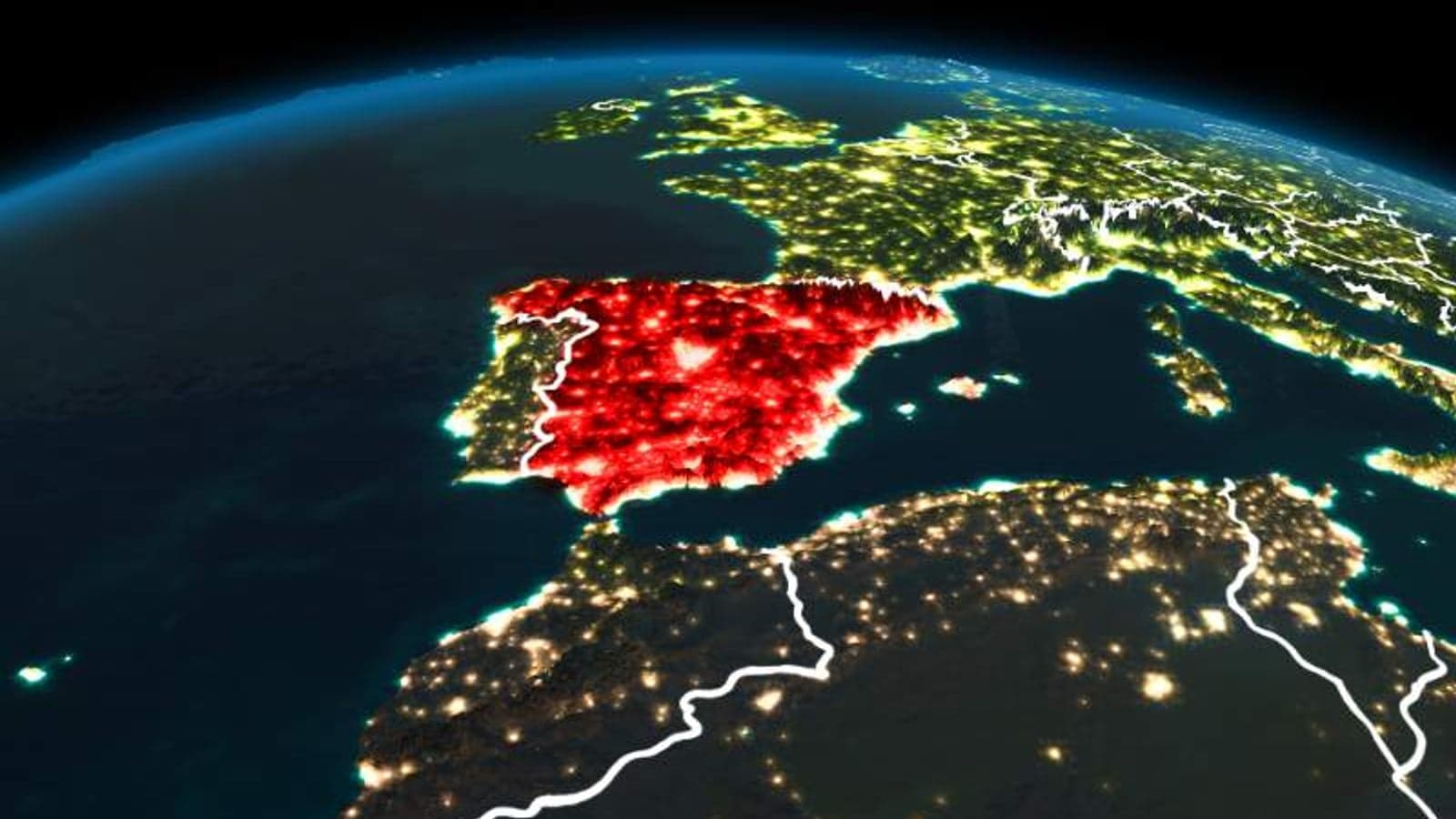
Keeping the lights on is an overused phrase that this year took on fresh resonance when those aforementioned lights suddenly went off across significant parts of Europe.
So what are the lessons from the Iberia blackout and others like it?
“Blackouts are like plane crashes,” says Duncan Burt of Reactive Technologies. “You tend to have multiple things going wrong plus something extreme.”
What the Iberia blackout has done, says Burt, “is brought to the top of everyone’s priority list the need to ensure they are on top of all technical measures”.
Technical, according to Andrés Acosta from LevelTen Energy, is a key word when it comes to grid resiliency. “We need to keep the whole discussion on a technical level and less political as possible to be able to integrate the technologies we need for a resilient grid.”
Sabine Erlinghagen of Siemens Grid Software is keen to stress that the European grid is already pretty resilient, however she stresses that “the challenge is keeping it resilient".
"And to me there are two answers: one, is making data-driven decisions down to all voltage levels. And the second is flexibility: mastering flexibility makes the system more resilient. Because you have more options to react.”
More insights from Brussels:
How can the energy sector boost European competitiveness?
Action points to deliver energy security across Europe
Expanding flexibility is also key for Subbhronil Roy of Schneider Electric, who adds that “contingency planning needs to be much more forward-looking and the systems of the past need to evolve”.
And he says that grid resilience and climate resilience go hand in hand: “The grid has to follow the climate. What’s the point of having a lot of renewable production that we cannot integrate inside the grid? That means that climate needs to be fundamentally ‘in-built’ in the grid.”
He adds that there are hundreds of gigawatts-worth of renewable energy projects “just sitting because they cannot be connected because the grid is not ready”.
“That is stopping us in our energy transition journey to climate resiliency.”
Watch the full video of my interviews in Brussels for more insights.