How DSOs can enable energy communities
Jonathan Spencer Jones
Posted on: 26 February 2025
DSOs can support the growth and integration of energy communities to make consumer empowerment a reality, a new Geode factsheet highlights.
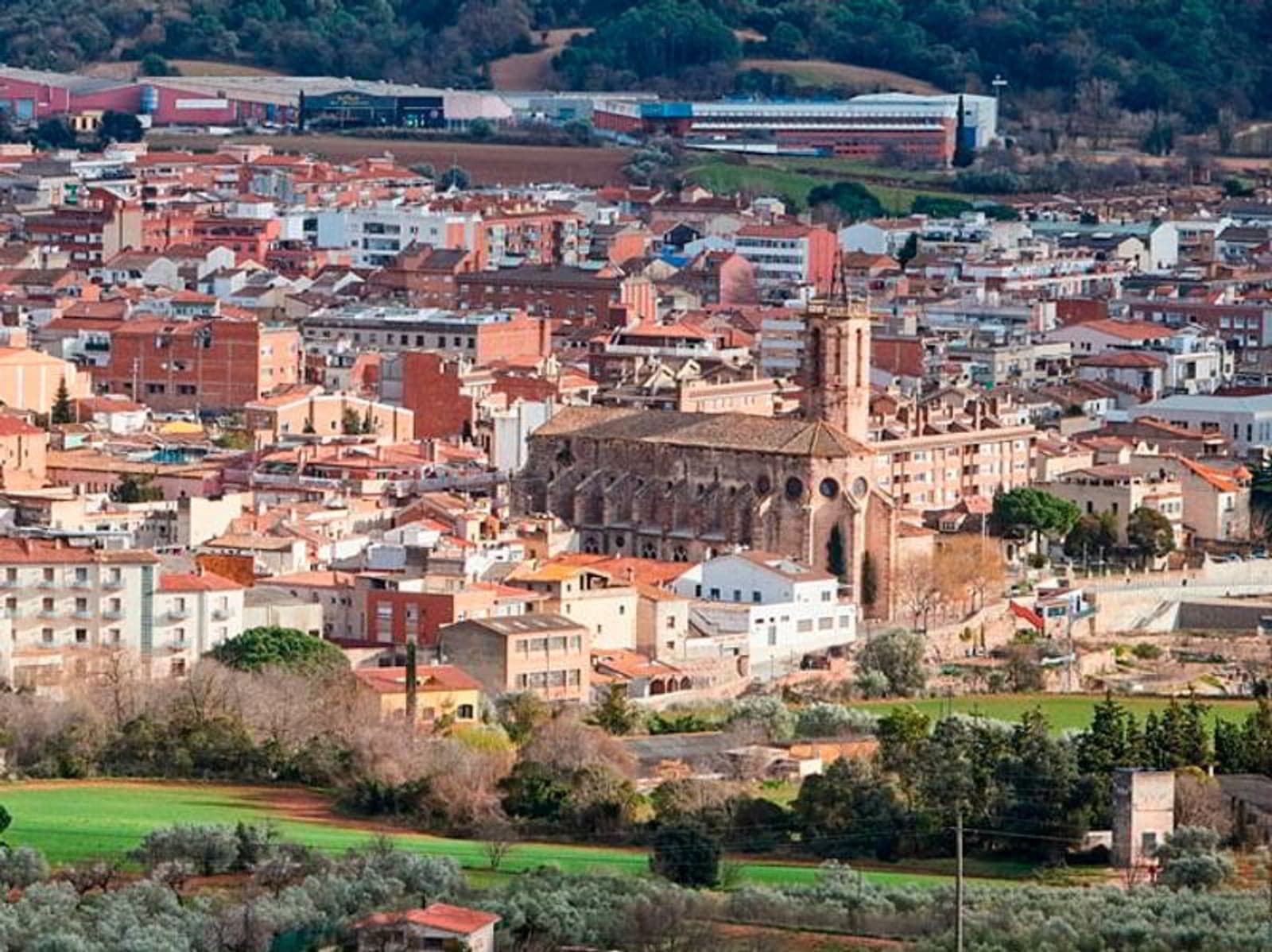
DSOs can support the growth and integration of energy communities to make consumer empowerment a reality, a new Geode factsheet highlights.
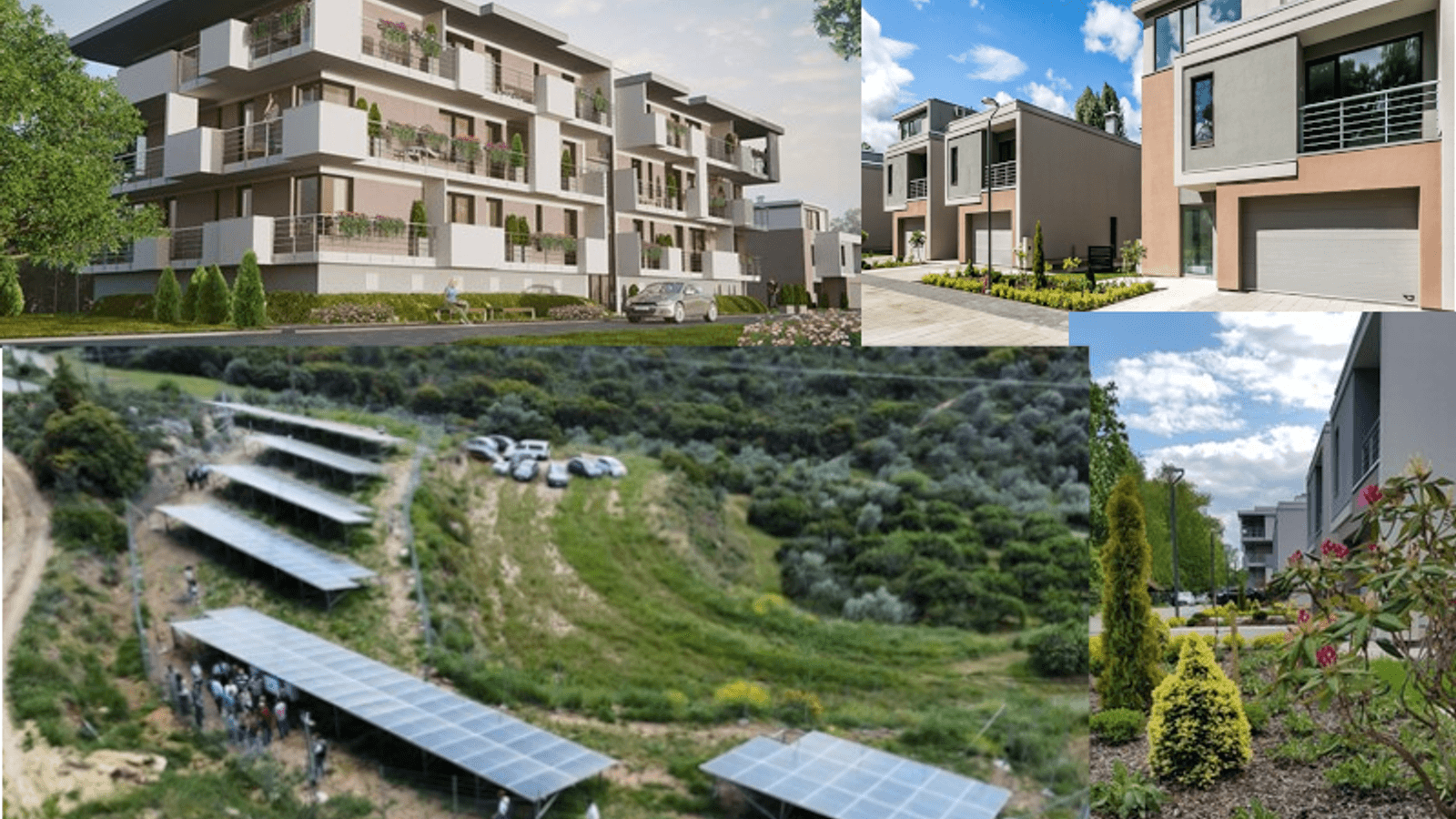
Energy communities, comprised of consumers, small businesses and/or local authorities that organise themselves to produce, manage and use electricity, offer a new approach in a decentralising energy system.
Introduced in the EU in the renewable energy directive, they are a growing phenomenon with a number of EU projects working to develop solutions, among them DECODIT and CELINE.
But alongside them DSOs can be key enablers and can help unlock their full potential and benefits by ensuring reliable grid operation and facilitating the integration of renewable energy sources into distribution grids, Geode’s paper states.
Their contributions also include enhancing grid resilience, facilitating the implementation of demand response programmes and energy management system as well as providing technical support and guidance.
Have you read?
Energy communities are gaining ground in Spain
DECODIT: Empowering citizens for a sustainable energy transition
The factsheet, 'Energy communities - a DSO approach', which was prepared by Geode’s customer dialogue work group, set out to address the role of DSOs within energy communities, drawing on best practices and experiences from Geode members.
Actions to support energy communities integration
The factsheet highlights four actionable findings for DSOs to support the integration of energy communities, of which one is to upgrade and digitalise their distribution networks to accommodate decentralised renewables and to tackle challenges like congestion and voltage fluctuations.
They also should invest in smart grid technologies, including advanced smart meters and digital platforms for real-time data collection as well as automation for greater grid monitoring and observability.
To foster consumer engagement, the participation of energy communities should be simplified through the creation of user-friendly platforms and provision of transparent energy data as well as accessible educational resources and technical guidance.
Last but not least, to realise the full potential of the energy transition, collaboration between energy communities and DSOs is crucial. Supporting factors include partnerships with local energy companies and third party entities, the establishment of coordination centres or advisory office, and the use of the existing local distribution grid.
DSO best practices
Among the examples highlighted is Finnish DSO Elenia’s excellence in customer education and user-friendly platforms and Germany’s Stadtwerke Schwerte fostering of public acceptance of renewables by engaging citizens in energy cooperatives.
The Austrian DSO-driven Energy Data Exchange portal simplifies the process of creating or joining an energy community, while in Spain, the Enercoop Group has supported the development of the country’s largest energy community, COMPTEM, in Alicante with an approach combining social and technological visions.
Elecsum, part of Spanish DSO Electra Caldense, also is cited as playing a key role in managing energy sharing projects and advancing digital solutions for energy communities.
Noting that local DSOs within GEODE supporting the development of energy communities bring numerous benefits to society and system operators alike, the factsheet concludes: “The collaboration between DSOs and energy communities is crucial for realising the full potential of the energy transition.”