ECLIPSE: Empowering consumers and digitalising the energy transition
Guest/partner contributor
Posted on: 5 May 2025
The ECLIPSE project is creating an open-source common European reference framework (CERF) for consumer energy applications for a smarter, consumer-centric energy future.
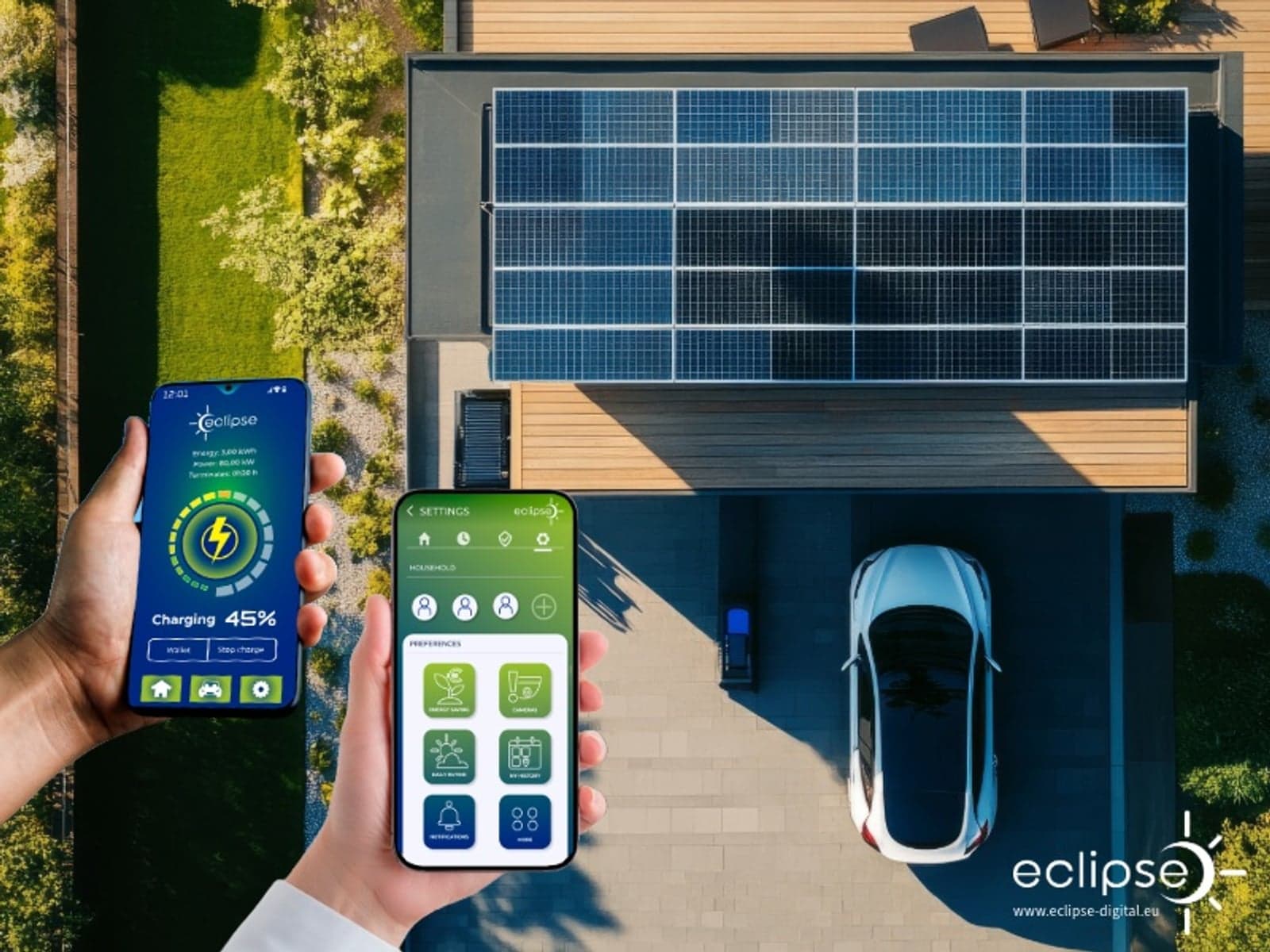
The ECLIPSE project is digitalising the energy transition with creation of an open source common European reference framework (CERF) for consumers energy applications for a smarter, consumer-centric energy future.
As Europe accelerates its transition toward a sustainable, decentralised, and digitalised energy system, one fundamental challenge remains: how to actively engage and empower consumers while ensuring grid stability and efficiency.
The energy landscape is evolving, with increasing penetration of renewables, electrification of transport and heating, and growing demand for flexibility services. However, for this transition to be truly effective, consumers must shift from passive energy users to active participants in the energy system.
ECLIPSE is an EU-funded Digital Europe project that is tackling this challenge head-on. ECLIPSE aims to empower consumers with real-time insights, digital tools and seamless interaction with energy markets – enabling them to optimise consumption, participate in demand response and contribute to a more flexible and resilient grid.
The challenge: bridging the gap between consumers and the energy system
The European energy transition demands a more flexible and dynamic electricity system. However, several barriers hinder consumer participation, reducing the potential of demand side flexibility and slowing the adoption of innovative energy services.
These include:
- Lack of consumer awareness and engagement: Many consumers do not have the necessary insights or incentives to adjust their energy consumption in response to grid conditions or price signals.
- Fragmented digital solutions: Existing home and building energy management systems (HEMS/BEMS), smart meter platforms and demand response programmes lack interoperability, limiting their potential impact.
- Data access and transparency: Consumers often struggle to access real-time, actionable energy data, preventing them from making informed decisions about energy use and flexibility.
- Regulatory and market barriers: Despite the Clean Energy for All Europeans package, consumer participation in energy markets remains low due to fragmented digital tools and limited access to real-time data.
The European Commission has recognised these challenges, promoting digitalisation, smart grid development and consumer empowerment as key enablers of the energy transition. However, a unified, standardised approach is needed to bridge the gap between consumers, energy service providers and grid operators – and this is precisely where ECLIPSE comes in.
The ECLIPSE solution: a CERF for consumer energy applications
To unlock consumer-driven flexibility and digital energy services, ECLIPSE is developing the CERF – an open source, interoperable and scalable framework that connects consumers, energy applications and grid operators.
A consumer-centric approach
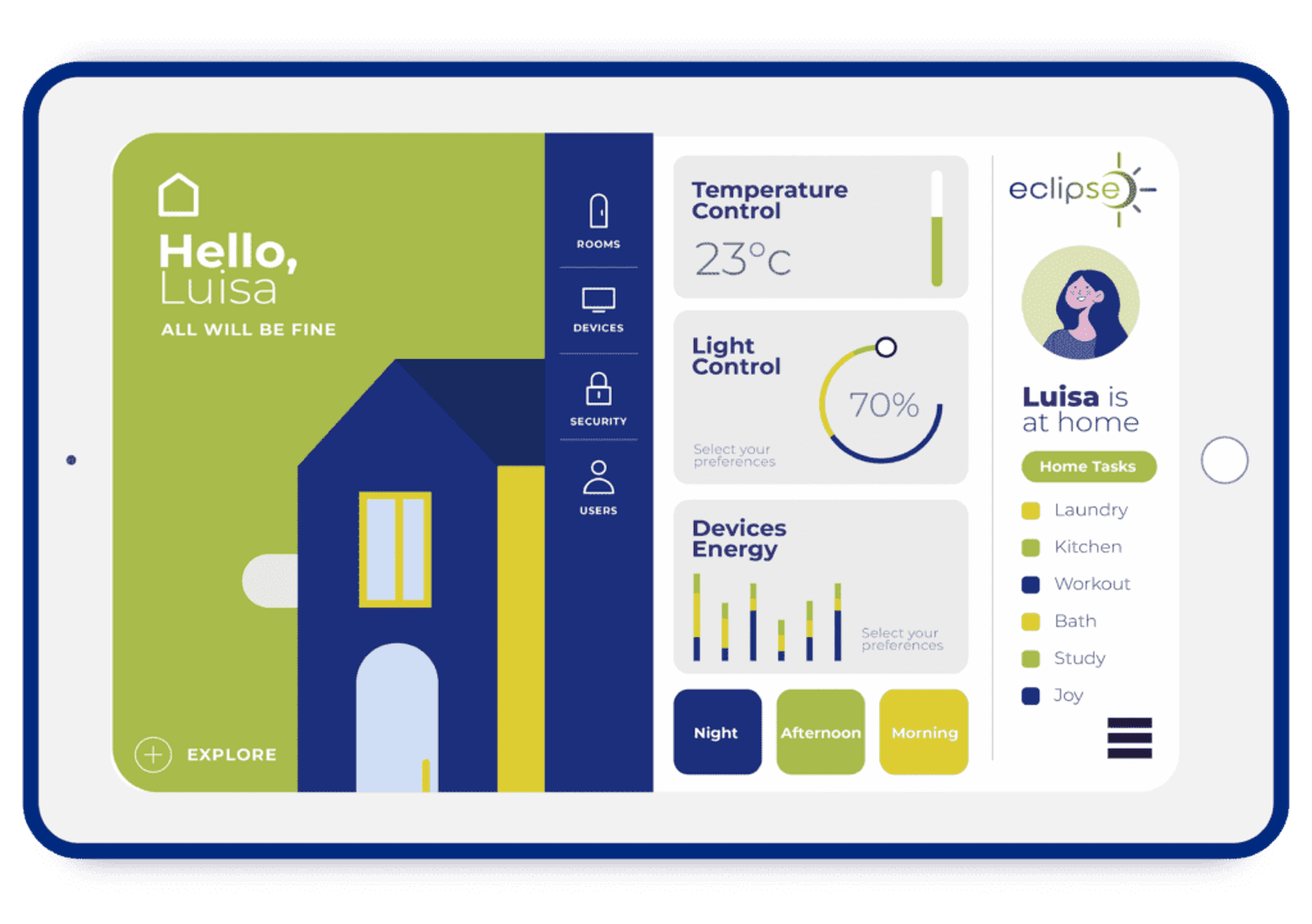
ECLIPSE places consumers at the heart of the energy system by developing intelligent applications that provide:
• Real-time insights into energy consumption and cost.
• Personalised recommendations for efficiency and flexibility.
• Automated demand response capabilities integrated with market signals.
Interoperability and open standards
One of the core innovations of ECLIPSE is ensuring that energy applications, devices and platforms can communicate seamlessly across different systems and markets. According to the 'Landscape analysis for energy platforms/consumer applications' by ETRA, the current digital energy landscape remains highly fragmented, limiting the potential for consumer engagement and flexibility.
ECLIPSE addresses this gap by creating the open source CERF. The project is defining common data models, standardised APIs and interoperability protocols to enable plug-and-play energy applications that work across smart meters, home energy management systems (HEMS), EV chargers and battery storage systems.
Empowering grid operators and energy service providers
Beyond consumer benefits, ECLIPSE enhances grid management and market integration by providing:
• Aggregated demand-side flexibility, enabling more efficient grid operation.
• Improved forecasting and load balancing through AI-driven insights.
• Seamless interaction between DSOs, aggregators and consumers via standardised digital tools.
Testing in real world pilots across Europe
ECLIPSE is demonstrating its solutions in 17 pilot sites across multiple European countries, covering residential, commercial and industrial energy consumers. These pilots will test:
• The impact of real-time consumer energy applications on flexibility.
• The integration of demand response into local energy markets.
• The scalability of interoperable digital energy solutions.
By leveraging open source development and cross-sector collaboration, ECLIPSE ensures that its framework is adaptable and scalable for future energy applications.
The impact: Unlocking consumer-driven flexibility for a smarter grid
By bridging the gap between consumers and energy markets, ECLIPSE has the potential to transform the way Europe’s electricity system operates.
The project’s impact extends across multiple dimensions:
• Enhancing grid flexibility and stability: By enabling real-time consumer participation, ECLIPSE helps balance electricity supply and demand, reducing the need for fossil fuel-based backup generation and improving overall grid resilience.
• Reducing energy costs and increasing efficiency: With better access to energy data and market-driven flexibility opportunities, consumers can reduce their electricity bills while contributing to a more cost-effective energy system.
• Supporting the integration of renewable energy: As Europe moves toward higher shares of wind and solar power, demand side flexibility becomes essential to mitigate variability and avoid curtailment. ECLIPSE enables consumers to adjust their consumption to match renewable generation, maximising the use of clean energy.
• Fostering a competitive energy services market: By standardising data exchanges and promoting open-source solutions, ECLIPSE lowers the barriers for new market entrants, encouraging innovation and competition in the energy services sector.
Conclusion: Driving Europe’s digital energy future
The success of the European energy transition depends not only on increasing renewable energy generation but also on how efficiently and flexibly we consume energy.
ECLIPSE is pioneering a new paradigm – one in which consumers are at the centre of a digitalised, intelligent energy system.
By delivering an open, interoperable and consumer-driven framework, ECLIPSE is laying the foundation for a smarter, more flexible, and more resilient electricity system – one that benefits both consumers and grid operators alike.
As the project moves forward with its real world pilots and technology development, ECLIPSE invites energy stakeholders, policymakers and industry leaders to engage with its work and contribute to shaping the future of consumer-driven flexibility in Europe.
Want to learn more? Follow ECLIPSE’s journey and stay updated on the latest developments!
Enjoy our las video '23 questions about ECLIPSE DIGITAL Project'.
ECLIPSE website
LinkedIn: ECLIPSE Digital Project
Twitter/X: @Eclipse_DigiEU
About the author

Lola Alacreu is Industrial Engineer from the Polytechnic University of Valencia (Spain) and finalised her degree in the University of Manchester. She works as senior project manager since 2008 in ETRA I+D, coordinating and participating in several Horizon Europe and H2020 multinational collaborative research, including ECLIPSE, X-FLEX and NOBELGRID.
Related tags
Most popular
Join the community for freeAnd get access to all content
Related projects
ECLIPSE
+3
1 September 2024 - 31 August 2026
View projectLatest content
Partner content
+2
The four key integrations powering the energy industry: An exploration
Technology is changing our energy system and the power utilities that operate within it. Utilities are digitally transforming and adopting software solutions to manage core operational processes.
- Guest/partner contributor
- 08/05/2023
+2
Building block of an advanced metering infrastructure - Part 2: The meter data management system
Power utilities are rapidly becoming data-driven organisations. A decentralised energy model, powered by intermittent renewables depends on two-way communication between utilities and all other participants in the energy landscape.
- Guest/partner contributor
- 01/06/2023