How Europe’s industries are losing jobs, money and patience
Kelvin Ross
Posted on: 4 March 2026
Rotterdam conference hears how the sector is under “unprecedented pressure” however European Commission innovation chief praises progress.
The “unprecedented pressure” being faced by Europe’s energy-intensive industries was highlighted today in Rotterdam as policymakers in Brussels unveiled their Industrial Accelerator Act.
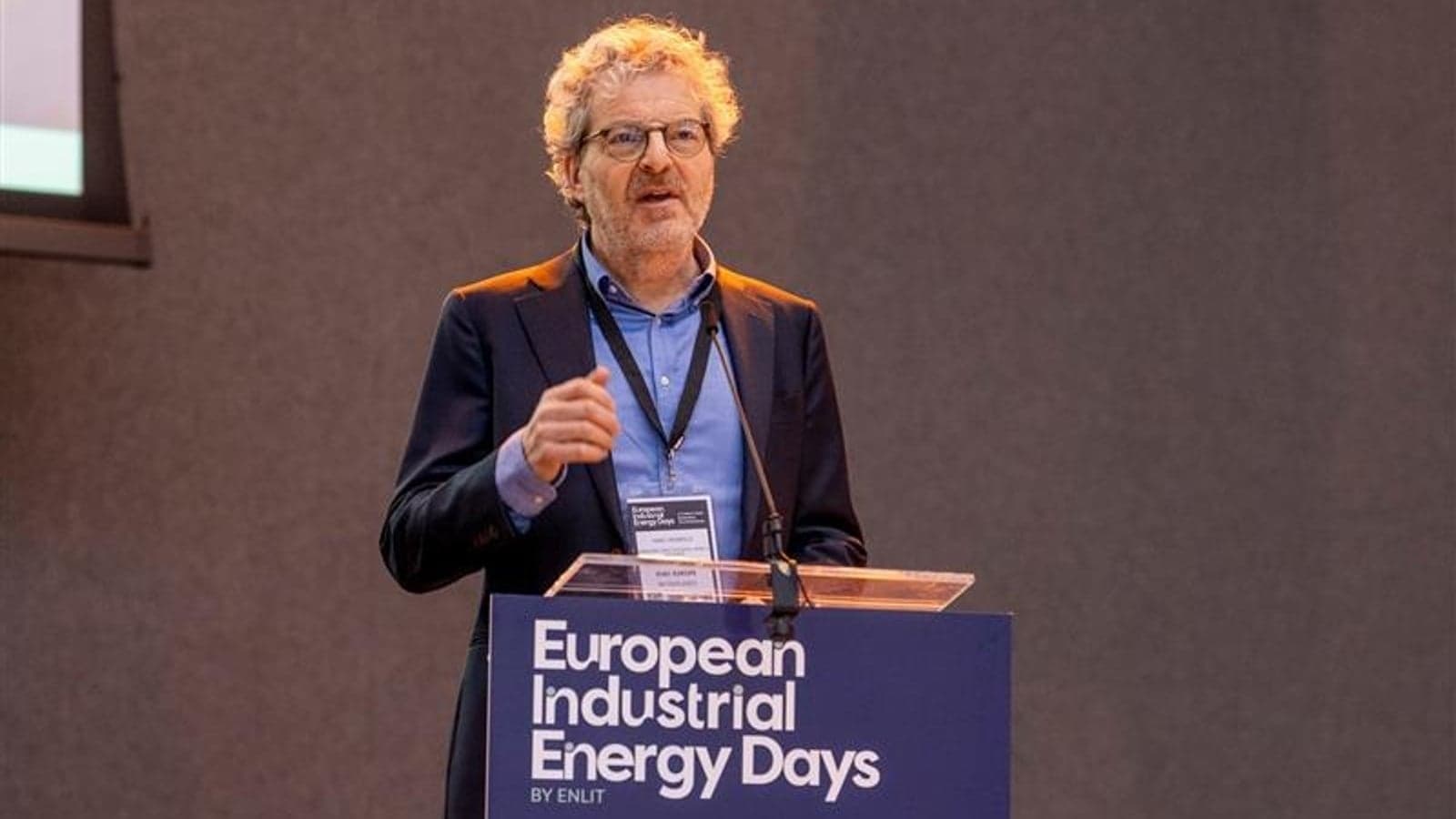
Speaking in Rotterdam, the Netherlands, at the opening of the European Industrial Energy Days conference, Hans Grünfeld, managing director of Royal VEMW – which represents energy users in the Netherlands – said energy-intensive industries “form the backbone of strategic European value change”.
They were vital, he said, in “supporting transport, construction, power generation, batteries, semiconductors, food security, defence and many other functions in society”.
“They're essential to the energy and digital transitions, industrial decarbonisation efforts, addressing the housing crisis and safeguarding the EU strategic autonomy.”
And Grünfeld added some figures to cement their importance: “Within the European Union, energy-intensive industries represent a turnover exceeding €1.5 trillion and provide employment to approximately 6.6 million people directly.”
Job losses
But he had another set of numbers to highlight the peril these industries are in – despite a raft of measures coming out of Brussels.
“These industries are facing unprecedented pressure,” he said, caused by “the lasting effects of the energy crisis, rapidly increasing carbon costs, and unfair trade practises and major global trade disruptions further aggravated by US tariffs”.
He said since 2008, around 1.5 million jobs had been lost in energy-intensive industries across Europe, with approximately 200,000 wiped out in 2025 alone.
Grünfeld, who is also president of the association IFIEC Europe, which represents industrial energy users, noted that the European Commission has “responded to the demise of energy-intensive industry by focusing on four major activities” – the Grids Package, revised EU-ETS state aid guidelines, the clean industrial state aid framework, and today’s Industrial Accelerator Act.
And he claimed that although “European leaders have amplified their support for energy-intensive industries”, he believed they had “failed to come up with a coherent response” to the challenges facing industries across the continent.
'A negative example'
The gloomy sentiment was echoed in sessions later in the day from other large industrial energy users. Albert Kassies, Director of New Energy at Tata Steel, said that Europe was "losing industry on its way to 2050 targets", while Bart Adams, Energy Manager at INEOS Styrolution, said "if there's no industry [left] then there's nothing to decarbonise".
Holger Klaassen, Director for Corporate Energy Climate Affairs at metal and copper company Aurubis, even suggested that Europe had become "a showcase for how an emission trading system can lead to deindustrialisation". The rest of the world, he said, was "looking at a Europe as a negative example".
Have you read?
Europe’s love of legacy has created ‘decaying’ industries says MEP
European industry needs ‘emergency industrial policy measures’
After Grünfeld’s bleak assessment of the state of European industry, it was fitting that a ‘European leader’ was up to speak next: Vincent Berrutto, Head of Unit Research, Innovation, Competitiveness, and Digitalisation at DG ENER in the European Commission.
Berrutto had, in fact, been a keynote speaker at the inaugural European Industrial Energy Days in Amsterdam in 2025, when he had presented the EU’s Affordable Energy Action Plan, an initiative designed to reduce energy costs in Europe for both industry and citizens.
“Coming here one year later,” he told the Rotterdam audience, “I can say there has been progress”.
He too highlighted the Grids Package, unveiled in December, which he said “will help build more interconnections between countries. And these interconnections are essential if we want to have a better flow of electricity and gas in Europe. The Grids Package is not only extending the network, but it's also putting forward measures to improve the way we are using the existing grids.”
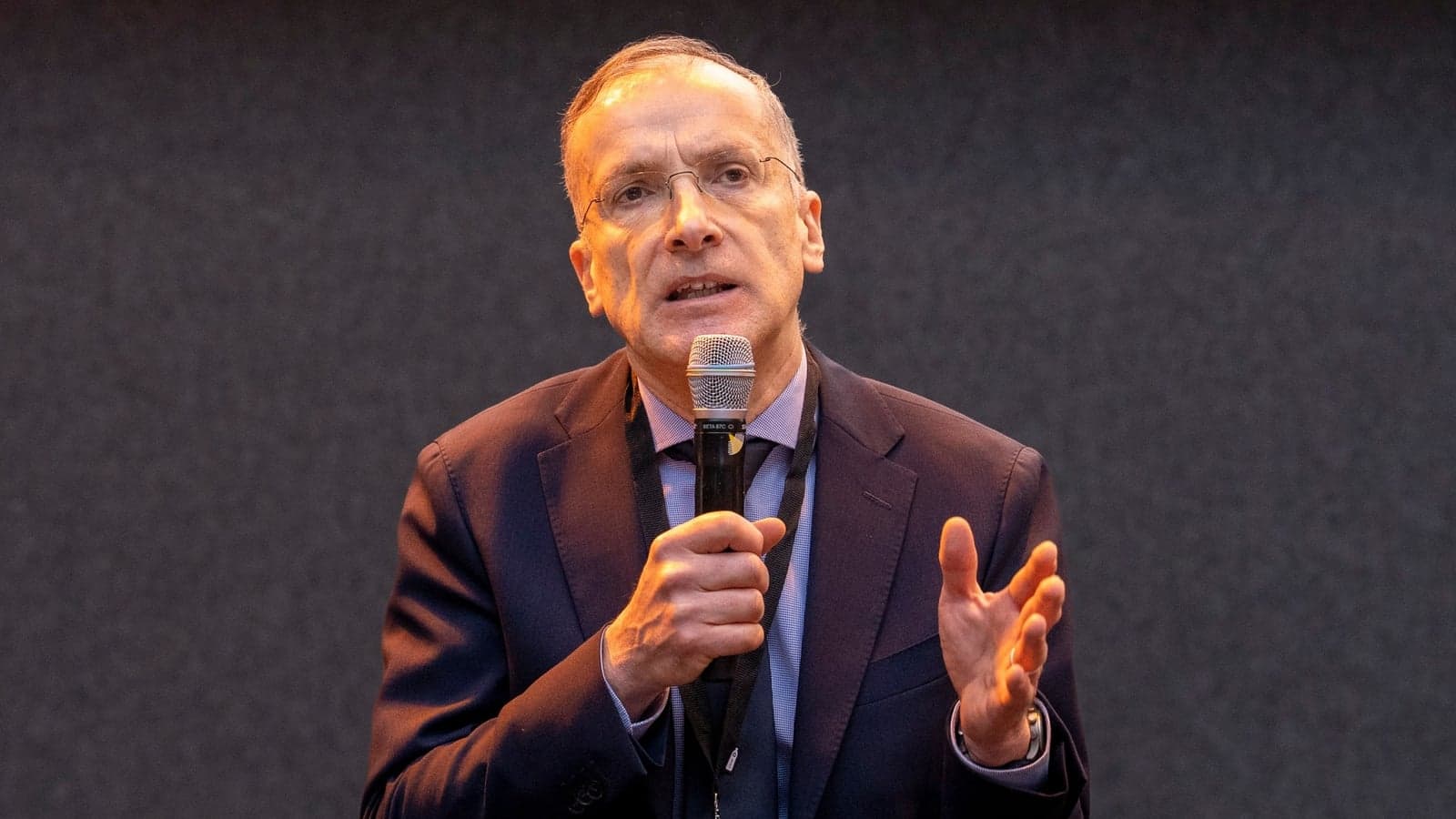
He said investments in industrial decarbonisation between 2024 and 2025 had more than doubled: “€50 million in 2024 and more than 110 million in 2025.”
But he added that there is “definitely no time for complacency. Prices remain too high and we are too dependent on countries from outside Europe for energy supply.”
“We paid 375 billion last year for importing fossil fuels from outside Europe. That's one billion a day – that’s enormous. And that makes us very vulnerable.”
Berrutto also stressed that the phrase ‘energy independence’ was said publicly by European Commission President Ursula von der Leyen for the first time last year: “We weren’t talking about energy independence before – but we are talking about it now. And I think these words are becoming ever more important now. We need to protect our industry. We need to protect our energy market.”
He was keen to avoid giving details of the Industrial Accelerator Act, which at the time of writing had not been unveiled, yet said he believed it was “a landmark which will have a massive impact for the industry”.
Looking to what’s coming out of Brussels in the coming weeks, he highlighted the Clean Investment Strategy – due on March 10 – which would “mobilise further investment in industrial decarbonisation and accelerate industrialisation in Europe”.
He said the Commission estimates that Europe will need “more than 600 billion euros a year for the energy transition” and this meant that “public money will never be enough, so we need massive investments. The money is there – we need to channel it towards the energy transition. That's what the strategy will be addressing.”
In April, he flagged the upcoming strategic roadmap on digitisation and AI in the energy sector. “We want to reap the benefits of artificial intelligence and digital solutions to make our energy system more competitive, affordable, secure and sustainable.”
Join Europe’s leading industrial energy users at the annual European Industrial Energy Days (EIED).